
From moments when you can't breathe
to a life of breathing easily
Asthma is chronic inflammation and hypersensitivity of the airways. Going beyond managing symptoms with inhalers, we strengthen lung and kidney energy to lower airway sensitivity at the root.
Book an Appointment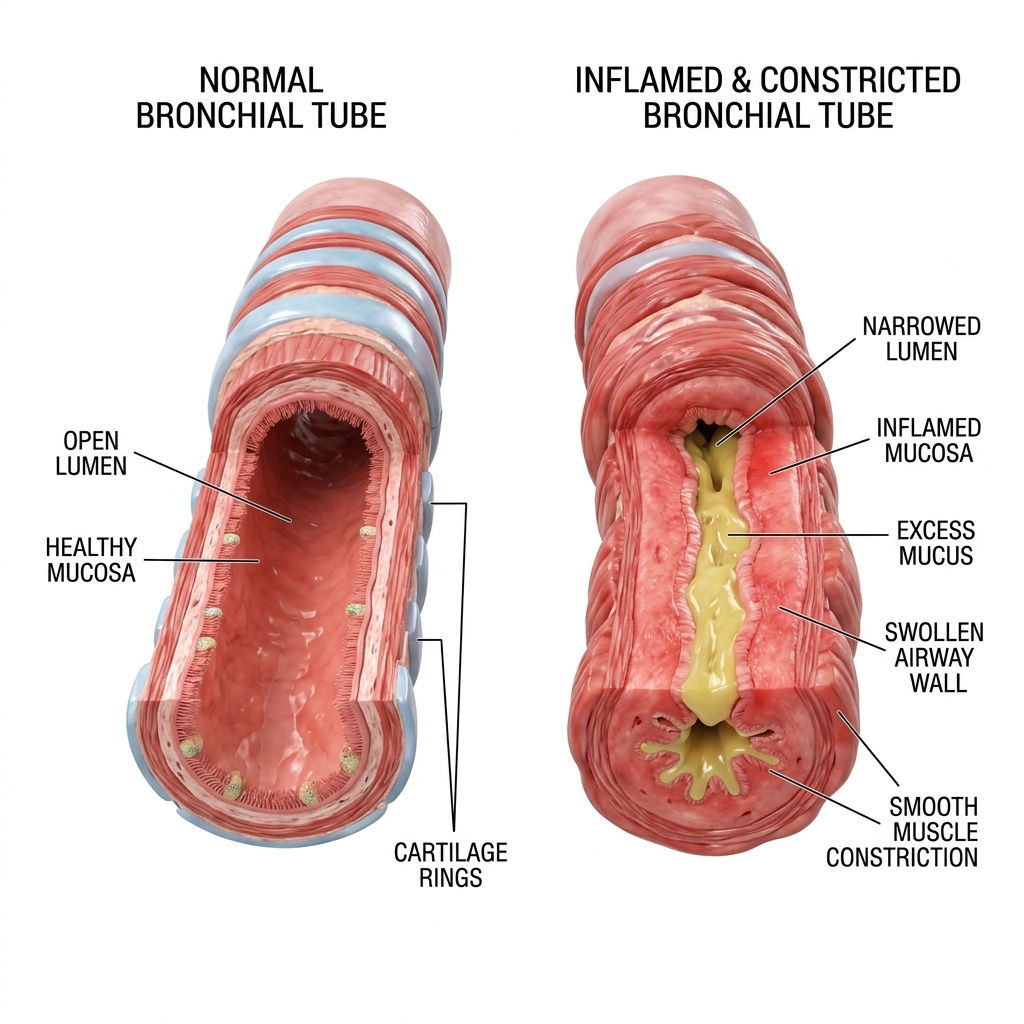
What Is Asthma?
A condition in which chronic airway inflammation causes recurring shortness of breath, wheezing and chest tightness. Korean medicine sees retained phlegm-fluid (痰飮) and weak lungs and kidneys (肺腎) as the main causes.
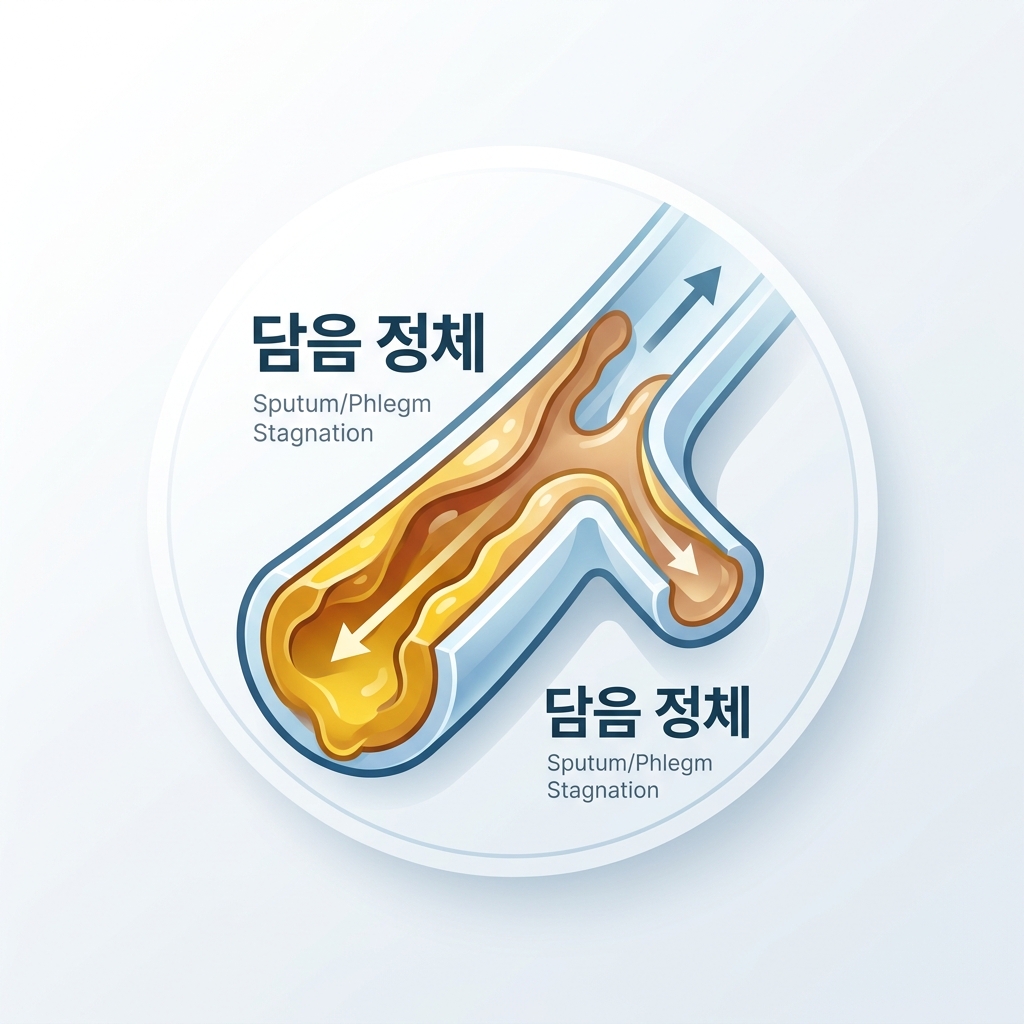
Retained Phlegm-Fluid (痰飮)
When phlegm-fluid builds up in the airways and lungs, the airways narrow and produce too much mucus, causing wheezing and shortness of breath. This is the direct cause of asthma attacks.
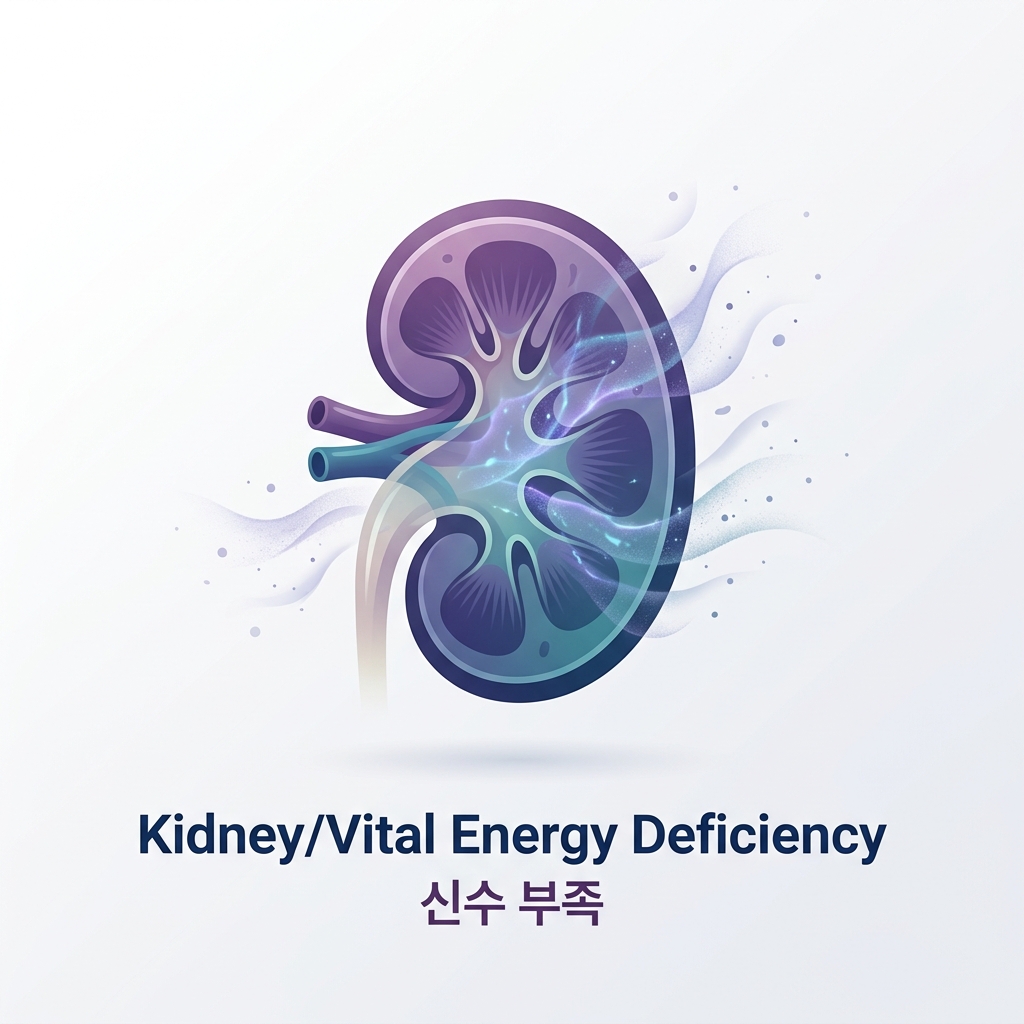
Weak Lungs and Kidneys (肺腎)
When the lungs' breathing function and the kidneys' qi-grasping (納氣) function are weak, you can't breathe in deeply and your breathing becomes shallow. This is the root cause of chronic asthma.
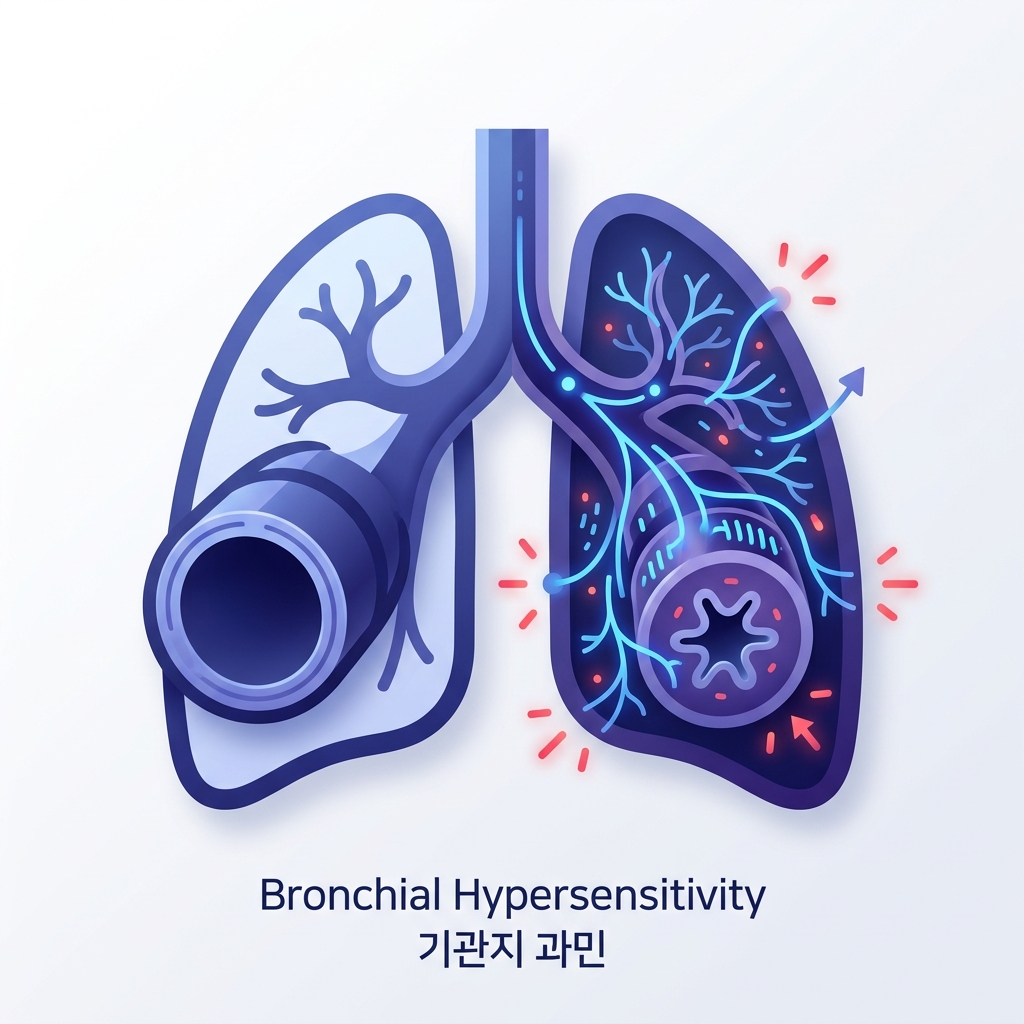
Airway Hypersensitivity
A hypersensitive reaction in which the airways constrict at even small triggers such as pollen, dust, exercise or stress sets off asthma attacks. Immune regulation is the root treatment.
Do you have
these symptoms?
- ✓You make a wheezing sound when you breathe
- ✓You suddenly get short of breath and your chest tightens
- ✓You wake at night or early morning because you can't breathe
- ✓Exercise or cold air brings on coughing and shortness of breath
- ✓Your chest often feels heavy and tight
- ✓You have to use your inhaler (bronchodilator) often
If these symptoms keep coming back, your airway sensitivity needs treatment.
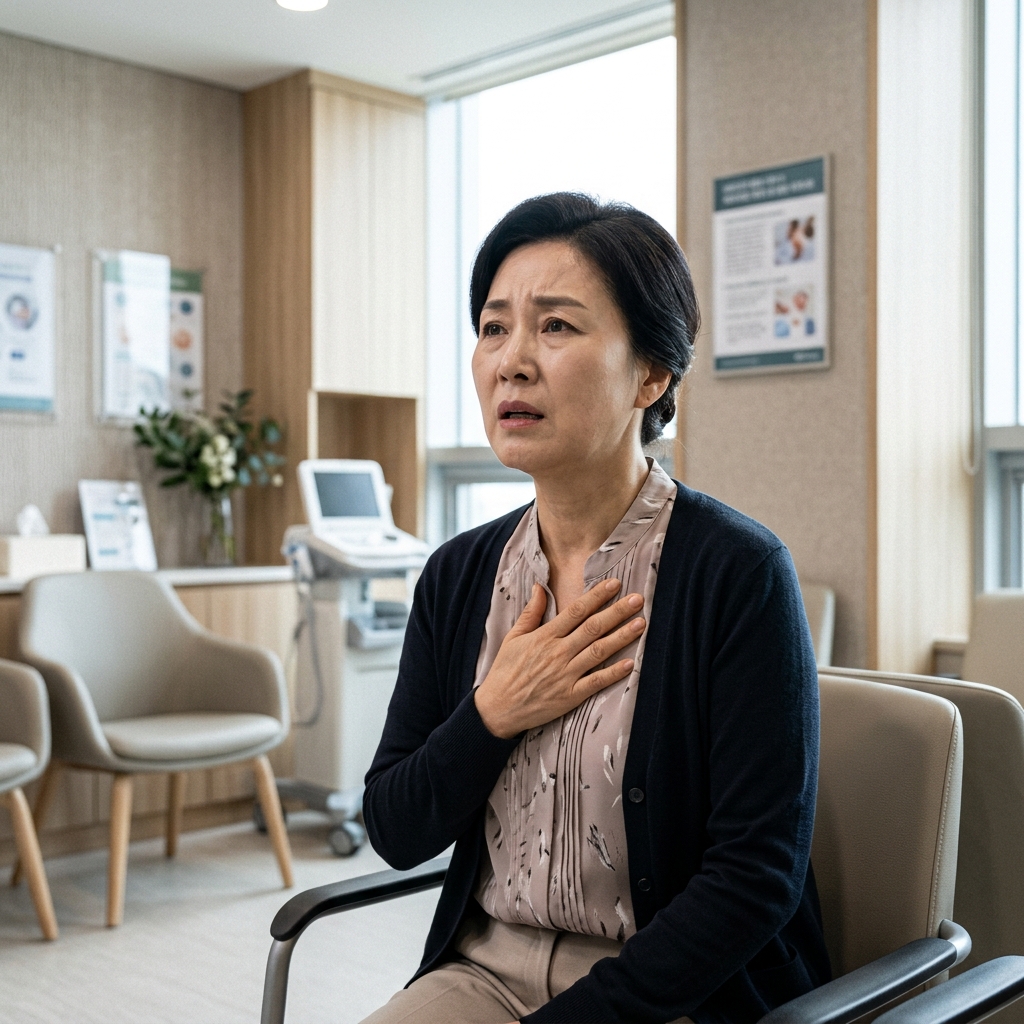
Over 3 million asthma patients
Without proper care, lung function can gradually decline.
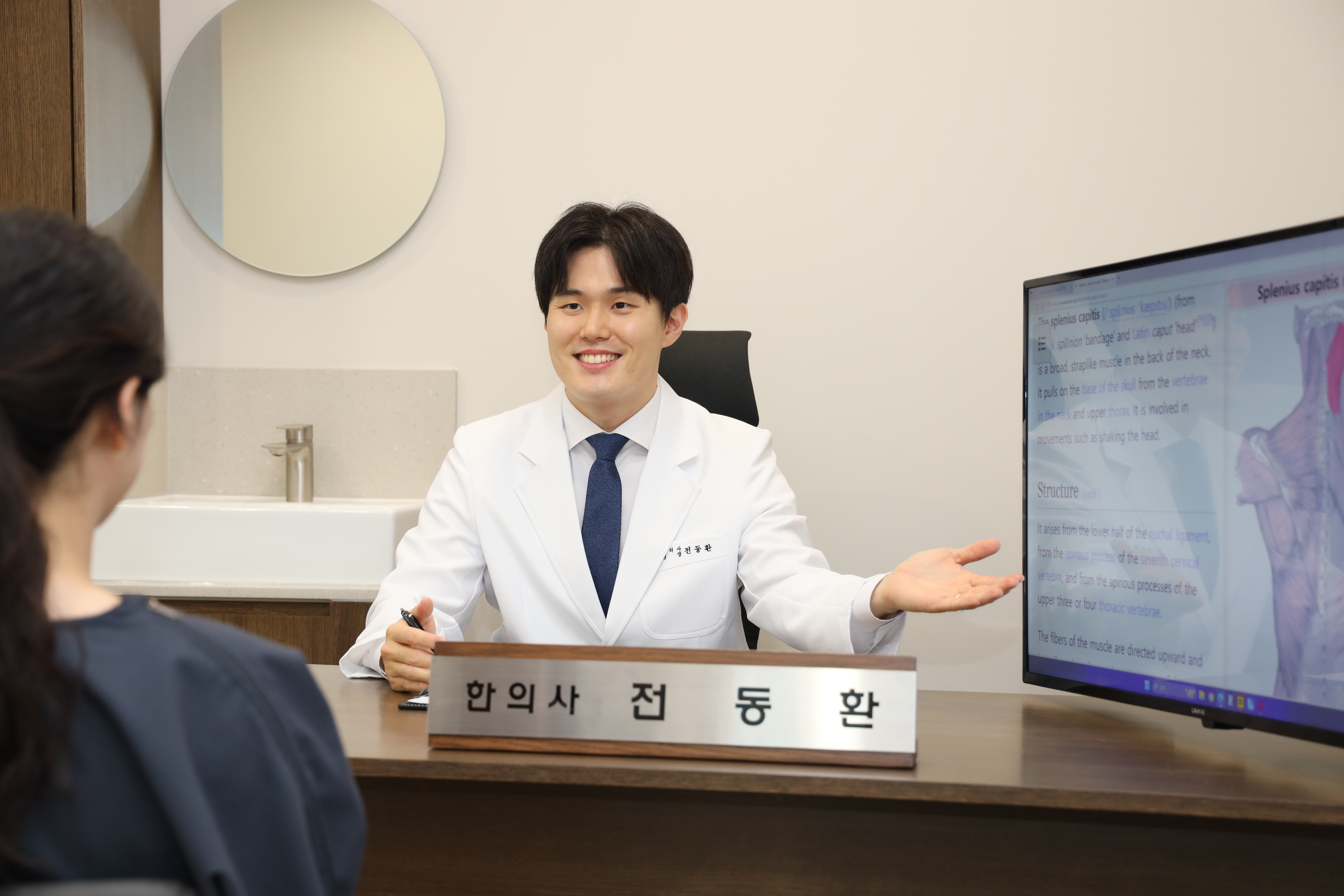
Sosoilsang Clinic
Asthma Program
Rather than relying only on suppressing attacks, we reduce chronic airway inflammation and strengthen lung-kidney (肺腎) function to lower how often attacks happen.
and reduces chronic airway inflammation.
regulates airway hypersensitivity.
Daily Care Guide
Lifestyle habits to keep up alongside treatment.
Avoid Allergens
Identify and minimize your personal triggers, such as dust mites, pet hair and pollen.
Manage Indoor Humidity
Dust mites breed at humidity above 50%. Keep humidity at a suitable 40~50%.
Breathing Practice & Light Exercise
Do regular aerobic exercise such as swimming and walking to increase lung capacity. Avoid cold air.
Manage Stress
Emotional stress can trigger asthma attacks. Manage it with meditation and relaxation breathing.
Frequently Asked Questions
Days of breathing easily –
let's build them together
A life less dependent on inhalers is possible.