Korean Medicine for Headache,
Facial Palsy & Jaw Joint
Unexplained headaches, sudden facial palsy, a jaw that clicks every time you open your mouth – we treat head and face pain at the root.
Book an Appointment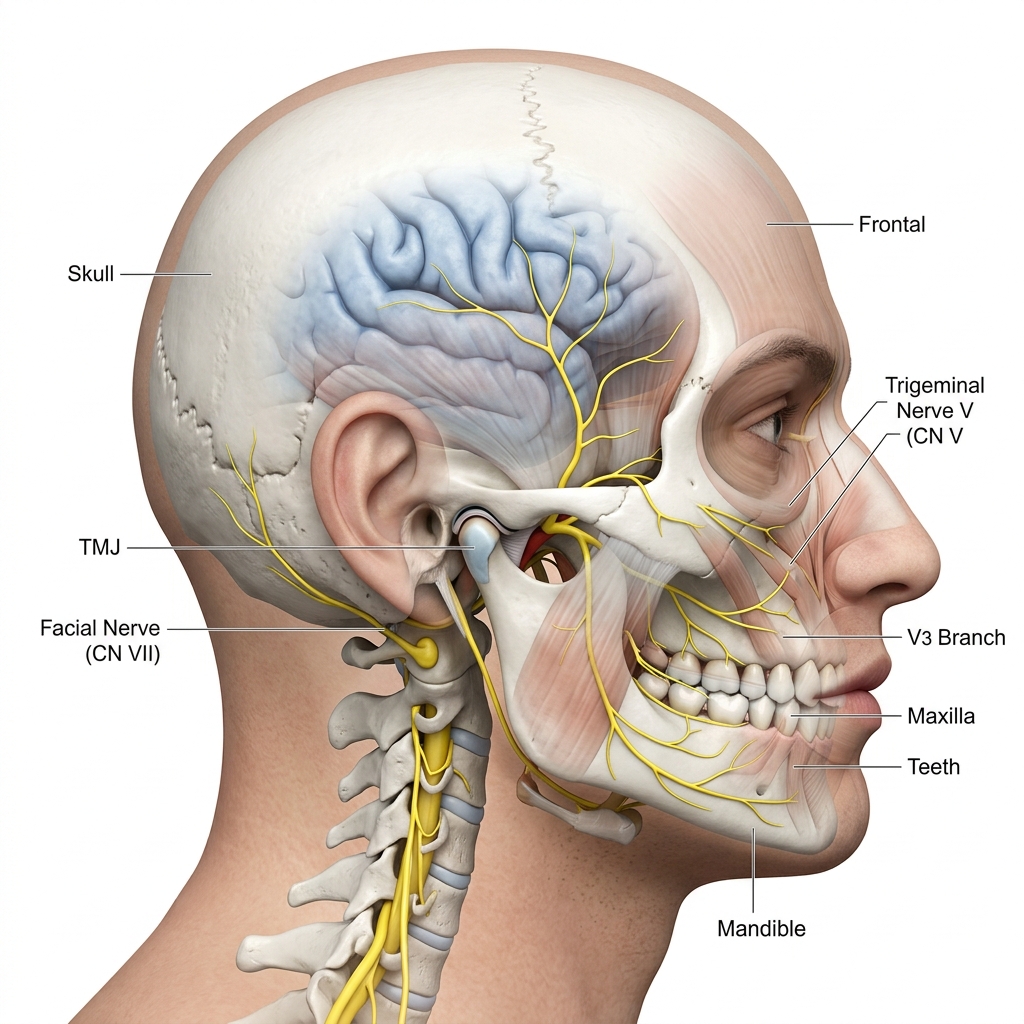
What Is a Headache?
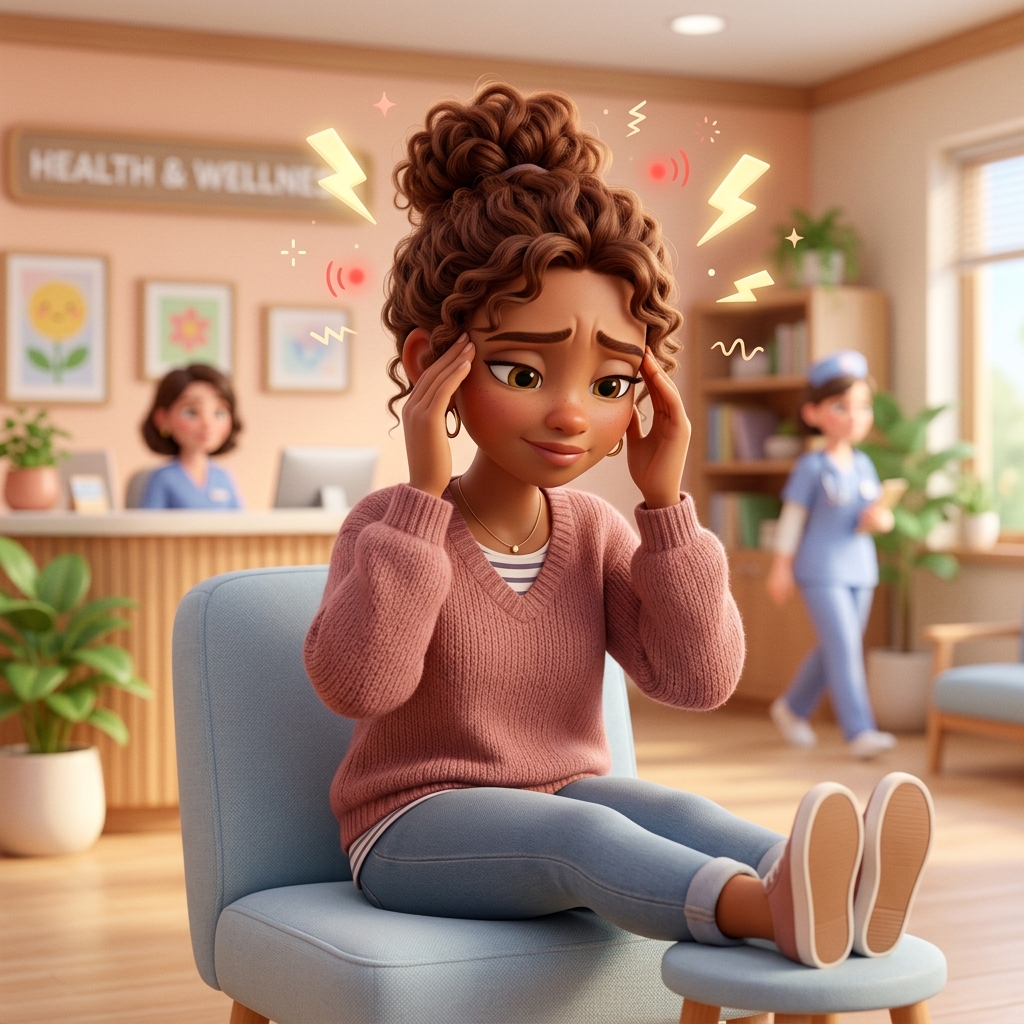
Over 90% of people experience headaches.
They aren't just pain – they're a sign of imbalance in the body.
Tension Headache
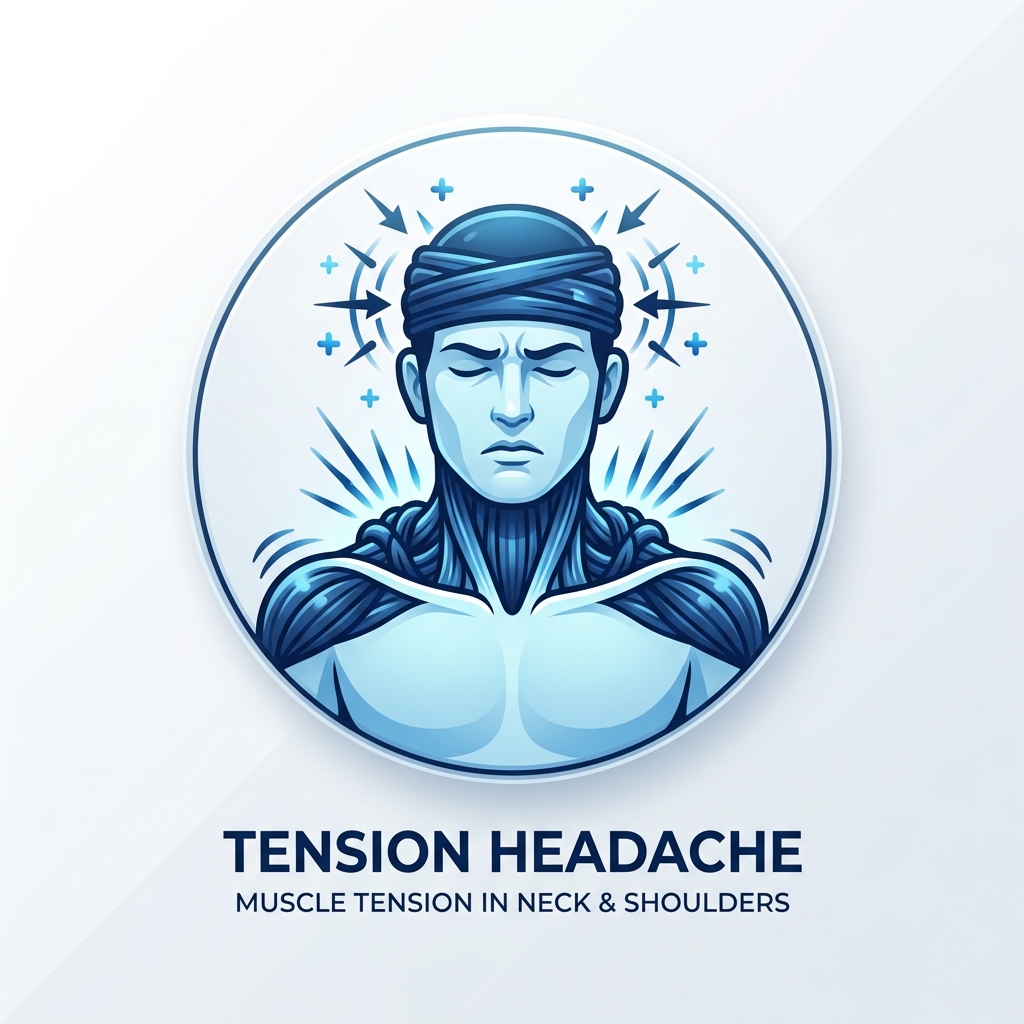
The most common type: stress, overwork or poor posture stiffen the neck and shoulder muscles, and your whole head feels squeezed.
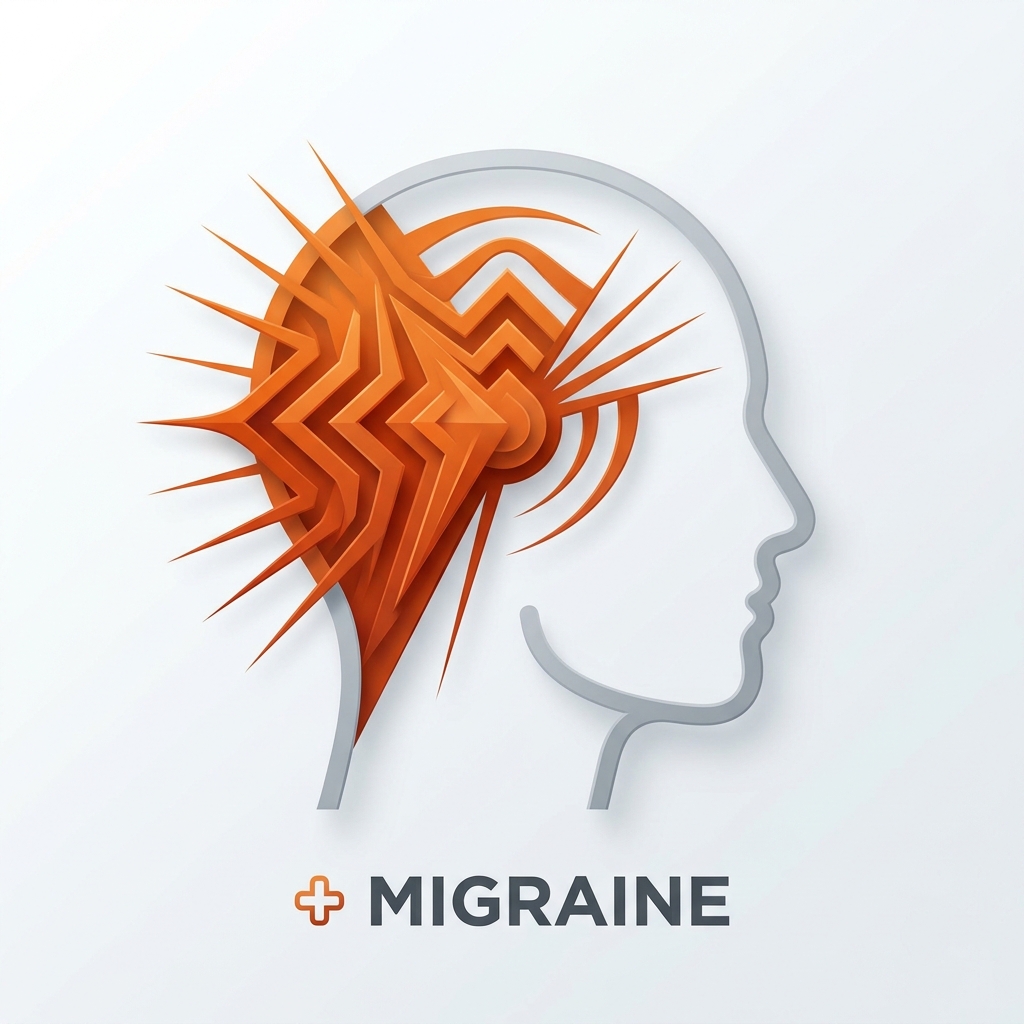
Migraine
One side of the head throbs like a pulse, with sensitivity to light and sound and nausea. Impaired qi-blood circulation is a main cause.
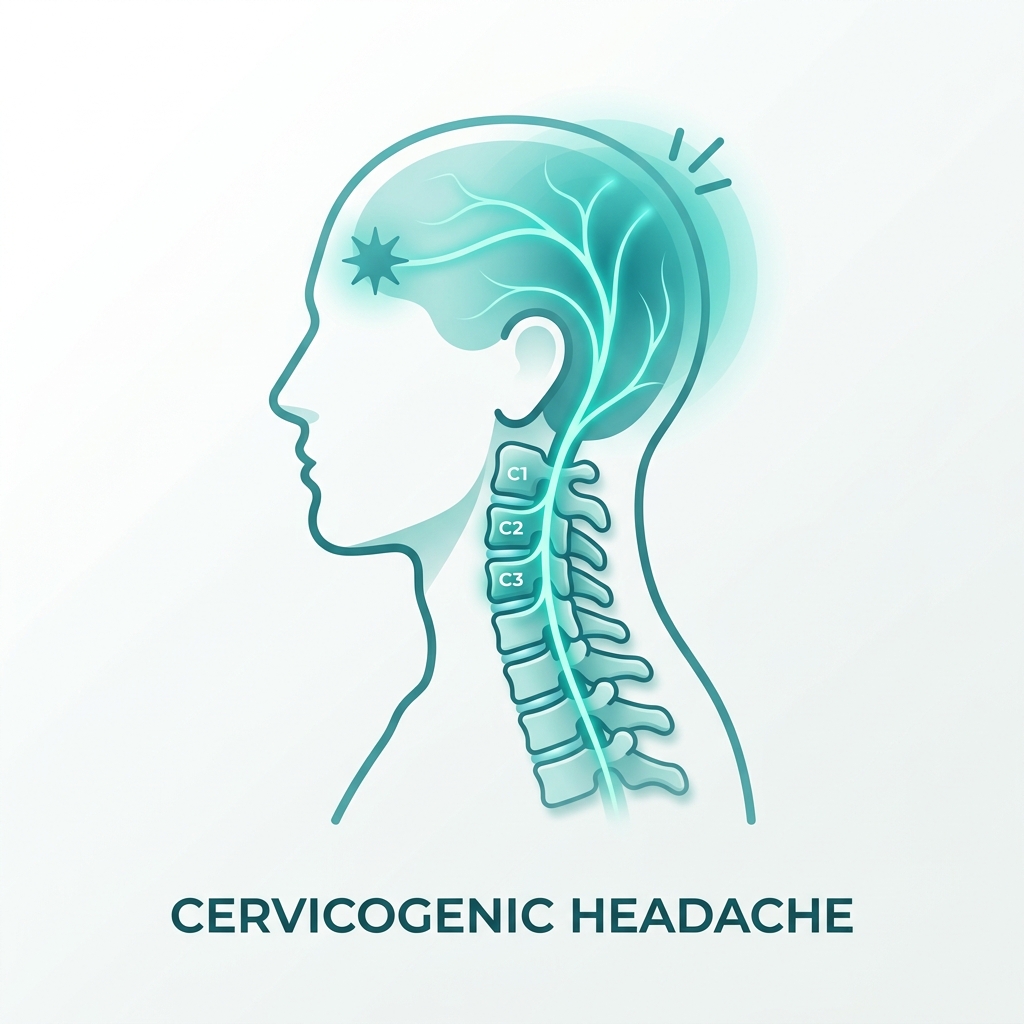
Cervicogenic Headache
A headache that starts at the back of the head and spreads to the temples when structural problems in the neck (cervical spine) or tension in nearby muscles irritate the nerves.
Do you have these symptoms?
If 2 or more of the symptoms below apply, Korean medicine can help.
- Your head feels tight or heavy, as if a band is wrapped around it
- Only one side of your head throbs like a pulse
- Your headaches come with dizziness or nausea
- Headaches keep coming back despite painkillers, or the pills work less well
- The back of your neck is stiff and your shoulders often ache
- Your eyes are tired or bloodshot, or the area around them hurts
Sosoilsang Clinic
Headache Program
Without relying on painkillers, we find the root cause of your headaches and provide treatment tailored to your constitution and symptoms.
Customized Herbal Medicine
We vary the prescription by the cause of the headache (blood stasis, phlegm-fluid, qi deficiency, liver fire, etc.) to reduce how often and how badly they occur.
Pharmacopuncture
Herbal extracts are injected directly into the painful area to break the vicious cycle of chronic headaches.
Craniosacral Therapy
Gentle manipulation of the skull and sacrum restores cerebrospinal fluid flow and craniosacral rhythm to ease chronic headaches.
Chuna Therapy
Corrects the alignment of the cervical spine and relieves tension in surrounding muscles to improve cervicogenic headaches.
Daily Care Guide
Combined with treatment, these can greatly reduce headache recurrence.
Fix Your Posture
Set your monitor at eye level, and stretch for 10 minutes after every 50 minutes of work
Sleep Care
Keep regular sleep hours and use a pillow that isn't too high
Regular Meals
Don't skip meals, eat at regular times, and limit caffeine to 1 cup a day or less
Manage Stress
Relieve tension with deep breathing, meditation and light aerobic exercise
Frequently Asked Questions
Yes. Korean medicine improves the root causes of headaches (poor qi-blood circulation, muscle tension, stress, etc.), helping reduce reliance on painkillers and recurrence. It shows particularly good results for chronic headaches and medication-overuse headaches.
Acute headaches often improve within 1~2 weeks; chronic headaches need about 4~8 weeks of steady treatment. Including constitutional improvement, we recommend 2~3 months of treatment.
You can combine Korean medicine with painkillers, but taking painkillers on 15 or more days a month can cause 'medication-overuse headache'. As treatment progresses, you can naturally cut back on painkillers.
What Is Facial Palsy?
A condition in which the muscles on one side of the face become paralyzed, making it hard to make expressions; the eye may not close or the mouth may droop.


Bell's Palsy (Peripheral)
Caused by inflammation of the facial nerve due to cold wind, overwork or stress. It accounts for about 70% of all facial palsy, and early treatment is important.
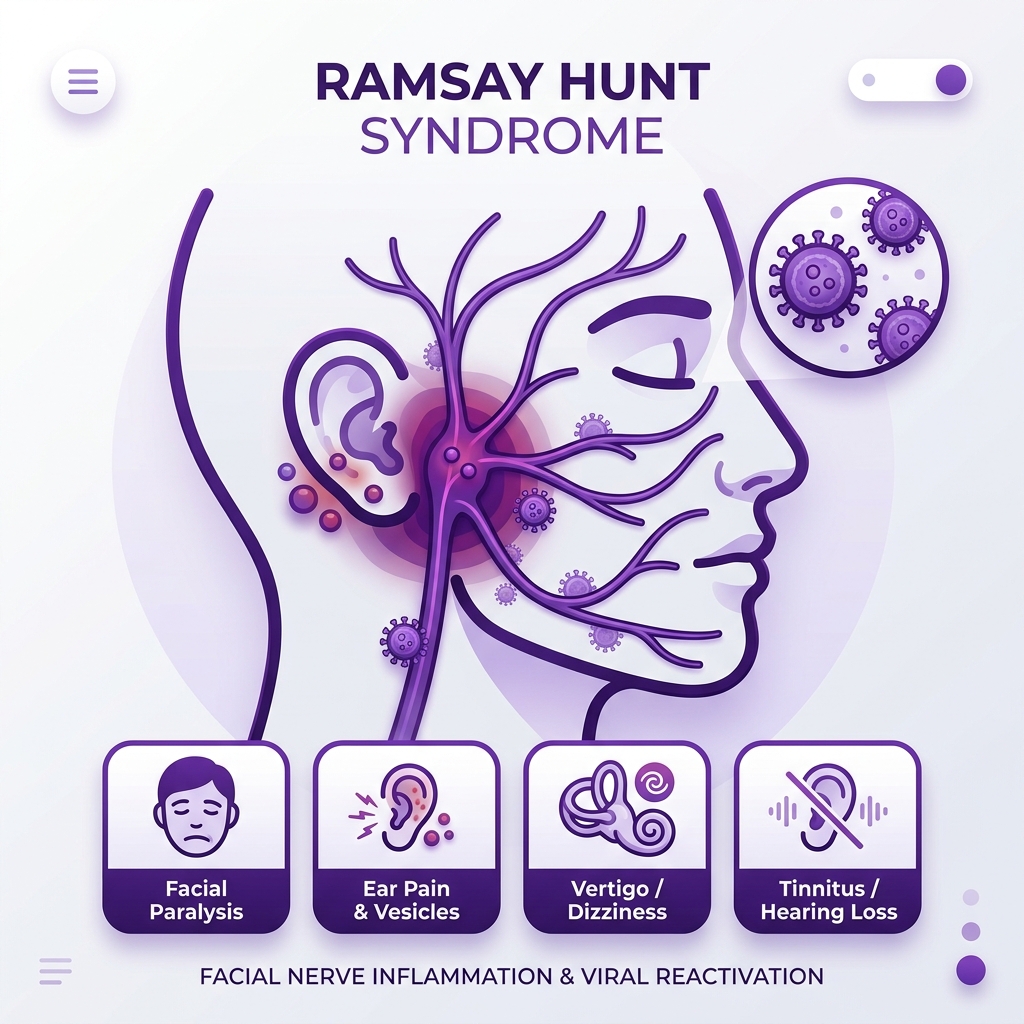
Ramsay Hunt Syndrome
The chickenpox-shingles virus reactivates and attacks the facial nerve. It may come with blisters around the ear, severe pain and hearing loss.
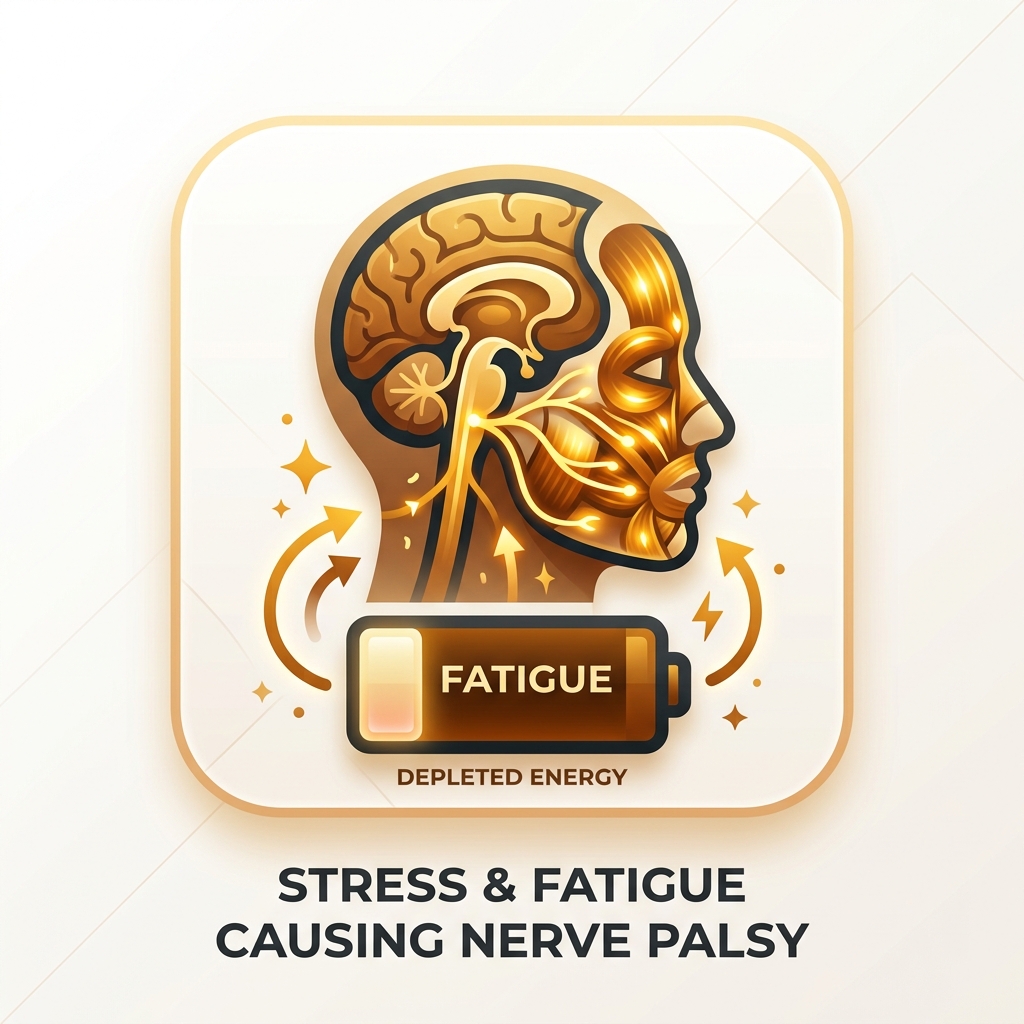
Stress & Overwork
Chronic stress and extreme fatigue lower immunity and leave the facial nerve vulnerable. Korean medicine sees it as qi-blood deficiency and invasion of wind-cold (風寒).
Do you have these symptoms?
Starting treatment within the first 72 hours of facial palsy greatly improves the recovery rate.
- One eye doesn't close well or keeps watering
- You can't wrinkle one side of your forehead
- One corner of your mouth droops and water leaks out when you rinse
- It hurts behind one ear or around the jaw
- Taste on one side of your tongue has dulled
- Your face feels stiff or numb
Sosoilsang Clinic
Facial Palsy Program
From onset to recovery, we aim for complete recovery without after-effects through systematic treatment matched to each stage.
Daily Care Guide
Daily rules you must follow to recover from facial palsy.
Block Cold Wind
Wear a mask and scarf when going out; avoid direct air-conditioning
Facial Exercises
Practice 3 times a day in front of a mirror: blinking, opening your mouth wide, and so on
Plenty of Rest
Sleep 7 hours or more and minimize overwork and stress
Protect Your Eye
If your eye won't close, use artificial tears often and wear an eye mask at night
Frequently Asked Questions
With Bell's palsy, about 80~90% of people recover completely with proper early treatment. The sooner Korean medicine starts, the higher the recovery rate, so we recommend coming in as soon as symptoms appear.
Generally it takes 2~3 months in total: 2~4 weeks of intensive early treatment followed by 4~8 weeks of recovery-phase treatment. For the first 2 weeks, we recommend daily or every-other-day treatment.
Yes, combining Western treatment such as steroids with Korean medicine has a synergistic effect. In fact, studies have found higher recovery rates with combined Korean-Western treatment.
What Is a TMJ Disorder?
A condition with pain, clicking or limited mouth opening when you move your jaw, experienced by about 30% of people.

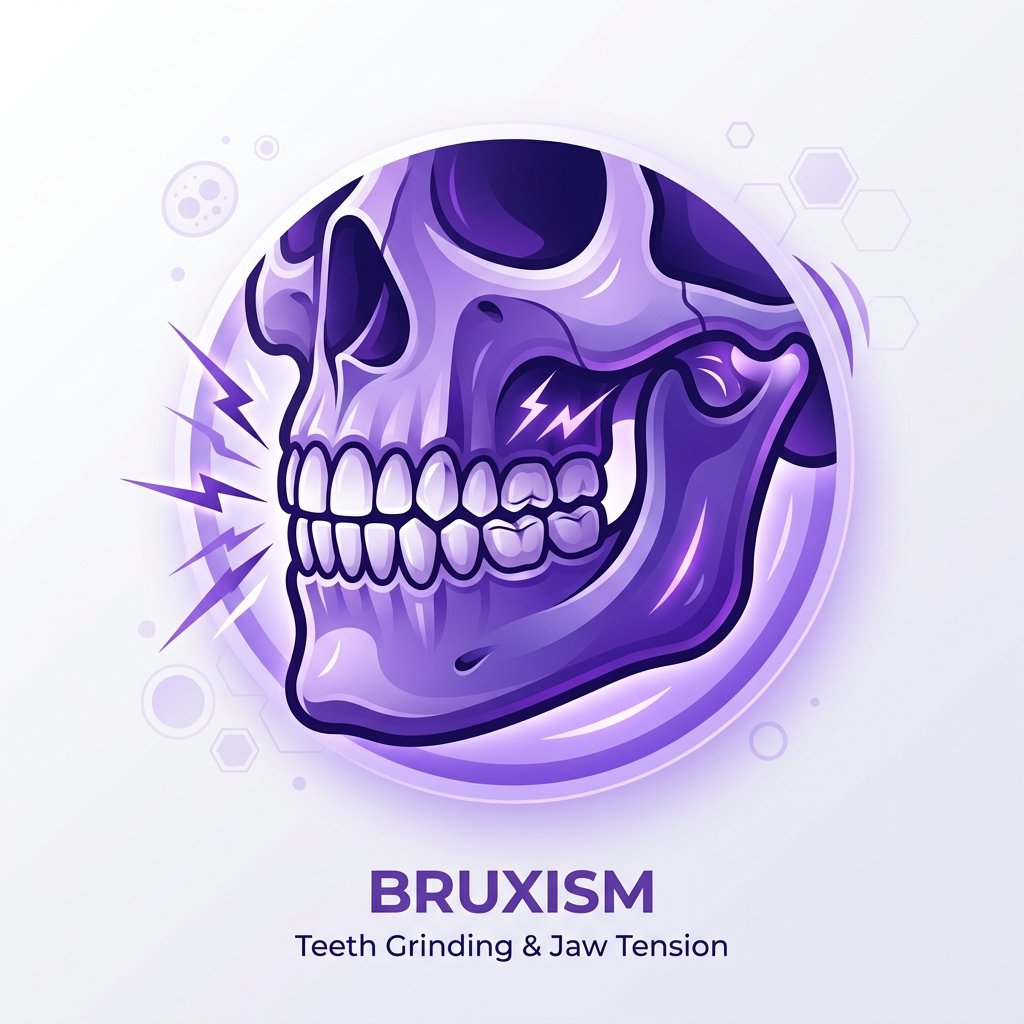
Teeth Grinding · Clenching
Grinding your teeth in your sleep or unconsciously clenching during the day overloads the jaw joint and surrounding muscles.
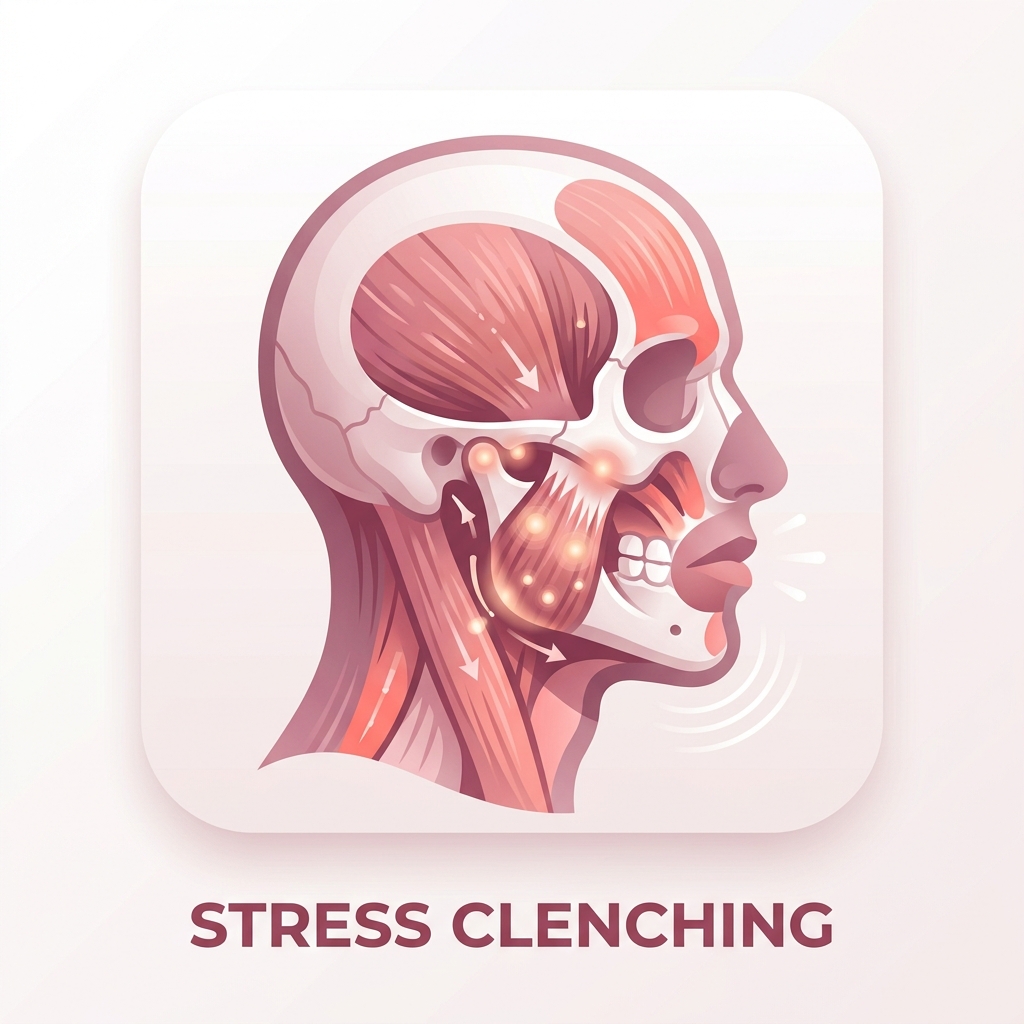
Stress · Tension
Emotional stress keeps the muscles around the jaw (masseter, temporalis) chronically tense. Korean medicine explains this as liver qi stagnation (肝氣鬱結).
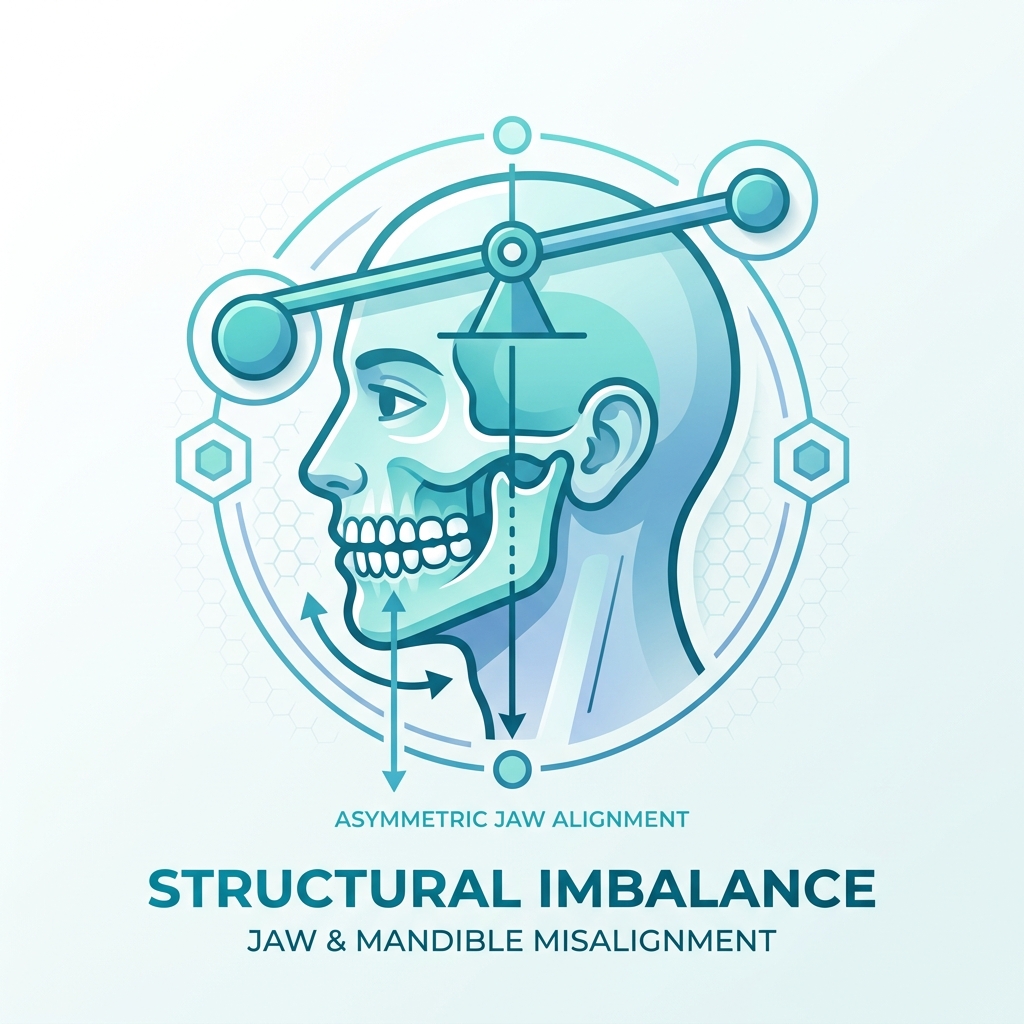
Structural Imbalance
A misaligned bite, chewing on only one side or resting your chin on your hand can displace the jaw joint disc.
Do you have these symptoms?
TMJ disorders get worse if left alone, so early treatment is important.
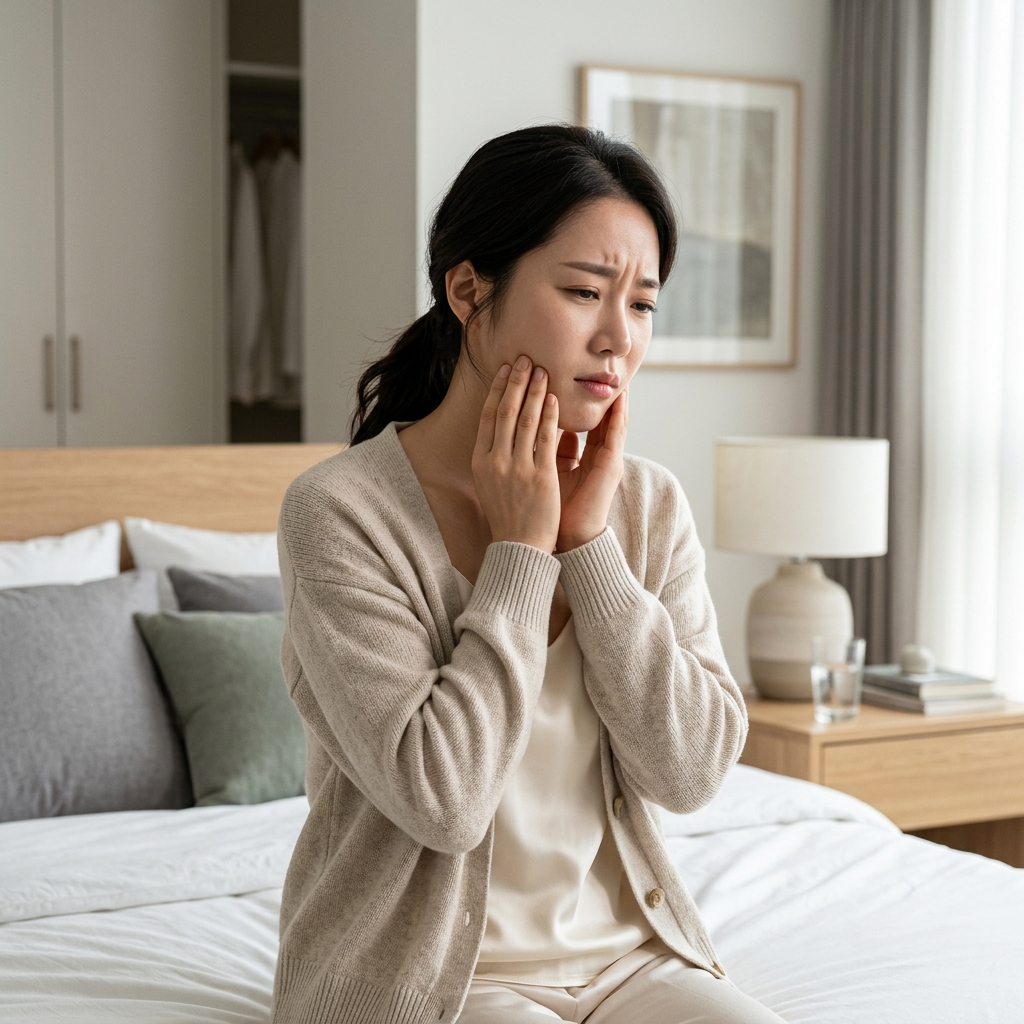
- Your jaw makes a 'click' when you open your mouth
- You can't open your mouth well, or it hurts when you do
- It hurts in front of your ear or near your temple when you chew
- Your jaw is stiff and sore when you wake up
- You have headaches or ear pain along with jaw pain
- Your jaw shifts to one side when you open your mouth
Sosoilsang Clinic
TMJ Program
We relieve tension in the muscles around the jaw joint and restore its balance so you can chew comfortably without pain.
Daily Care Guide
Daily habits to keep your jaw joint healthy.
Soft Foods
Avoid chewy foods, gum and dried squid; eat mainly soft foods
Break Bad Habits
Notice and correct habits like resting your chin on your hand, chewing on one side and clenching
Self-Massage
Gently massage the jaw joint in front of your ear in small circles, 3 times a day
Warm Compress
Apply a warm pack to the jaw joint for 15~20 minutes to relax the muscles
Frequently Asked Questions
Clicking alone is an early sign that the joint disc has begun to shift. Even without pain, if left alone it can progress to limited mouth opening or degenerative changes, so it's a good idea to get checked.
Mild cases need about 2~4 weeks and moderate cases about 4~8 weeks of treatment. Most people feel less pain after 2~3 sessions, and we combine treatment with habit correction to prevent recurrence.
Yes. Stress and muscle tension, the main causes of teeth grinding, can be eased with herbal medicine and acupuncture. We prescribe herbal medicine that treats liver fire (肝火) and calms mind and body, together with acupuncture that relaxes the masseter.
Start your consultation today
Don't put up with head and face pain any longer. We'll start by finding the root cause.
Treatment for Neck, Back
& Lower Back Conditions
From forward head posture and straight neck to disc herniation and stenosis – we structurally correct the modern spine and treat the root cause of pain.
Book an Appointment
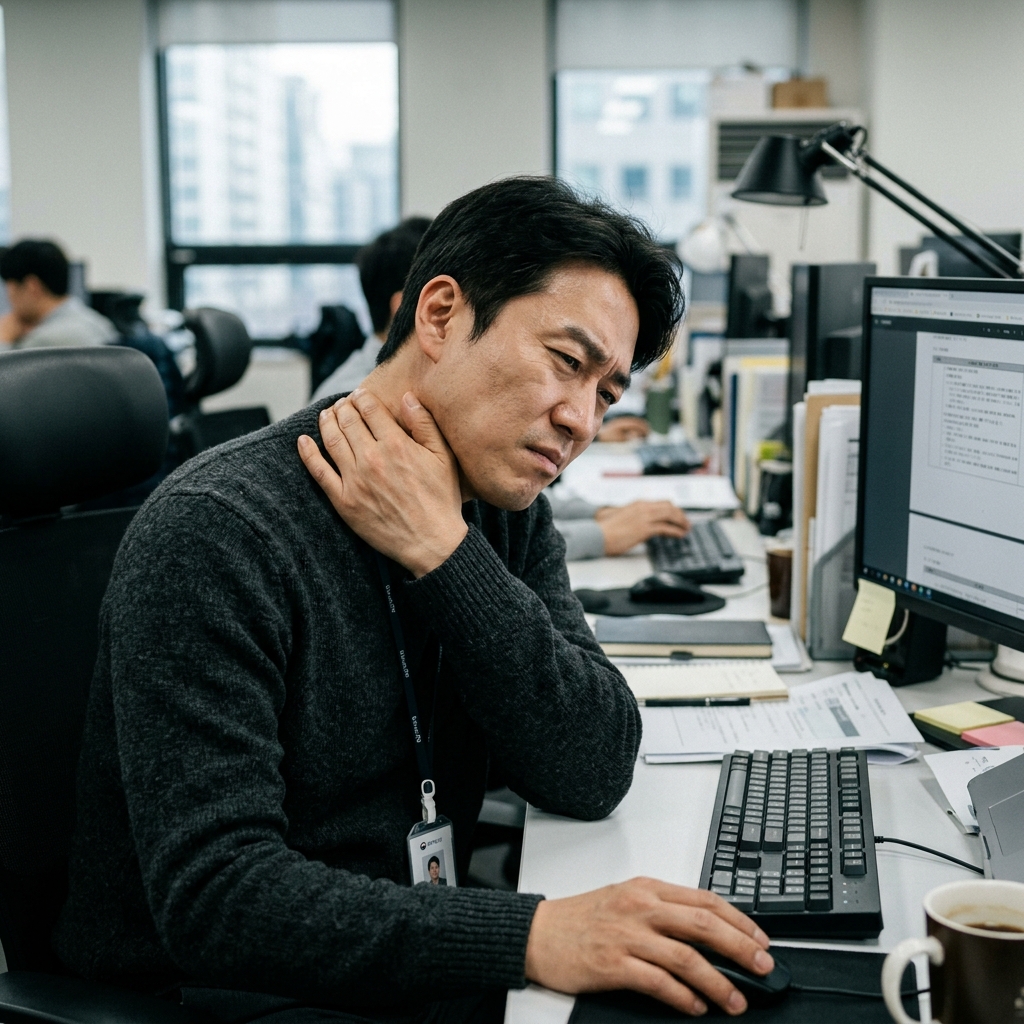
What Is Neck and Shoulder Pain?
Neck and shoulder pain affects 90% of people today due to long hours on smartphones and computers. Left untreated, it can progress to disc problems.
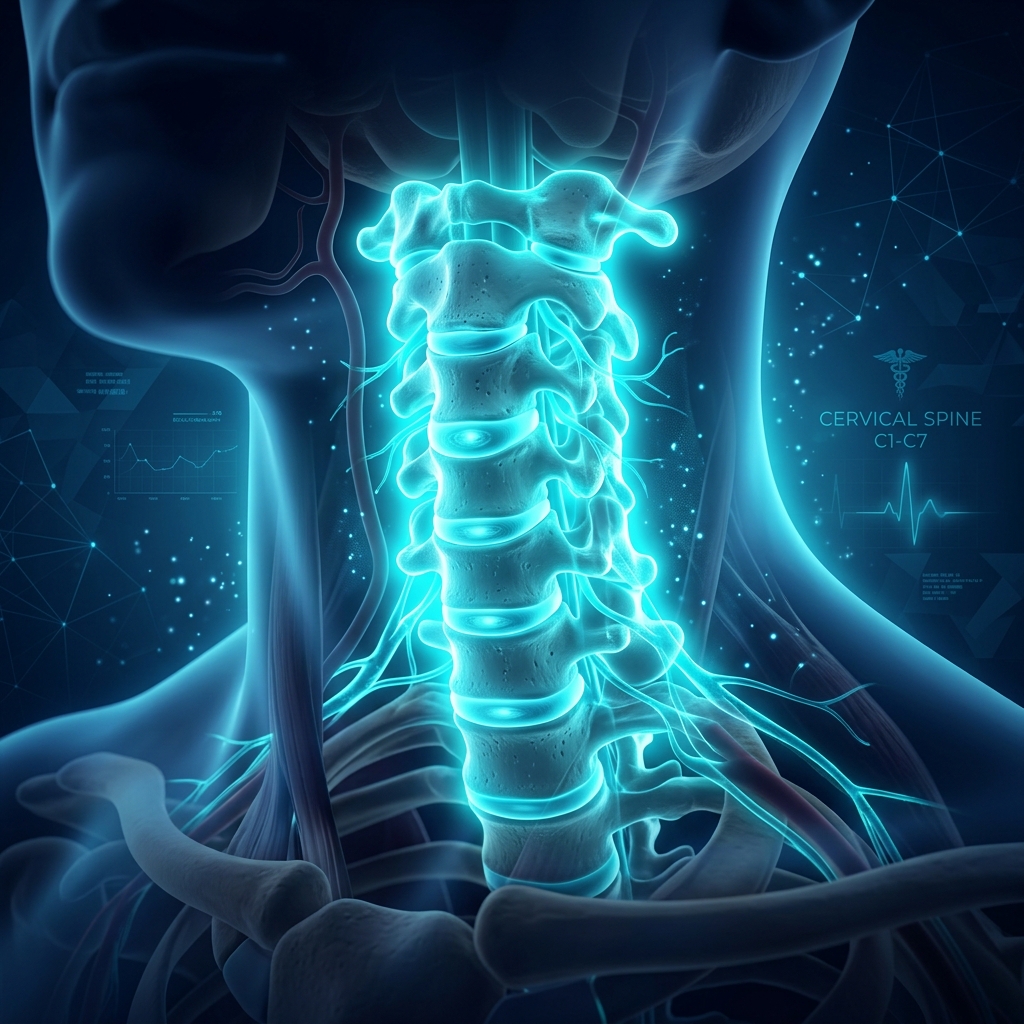
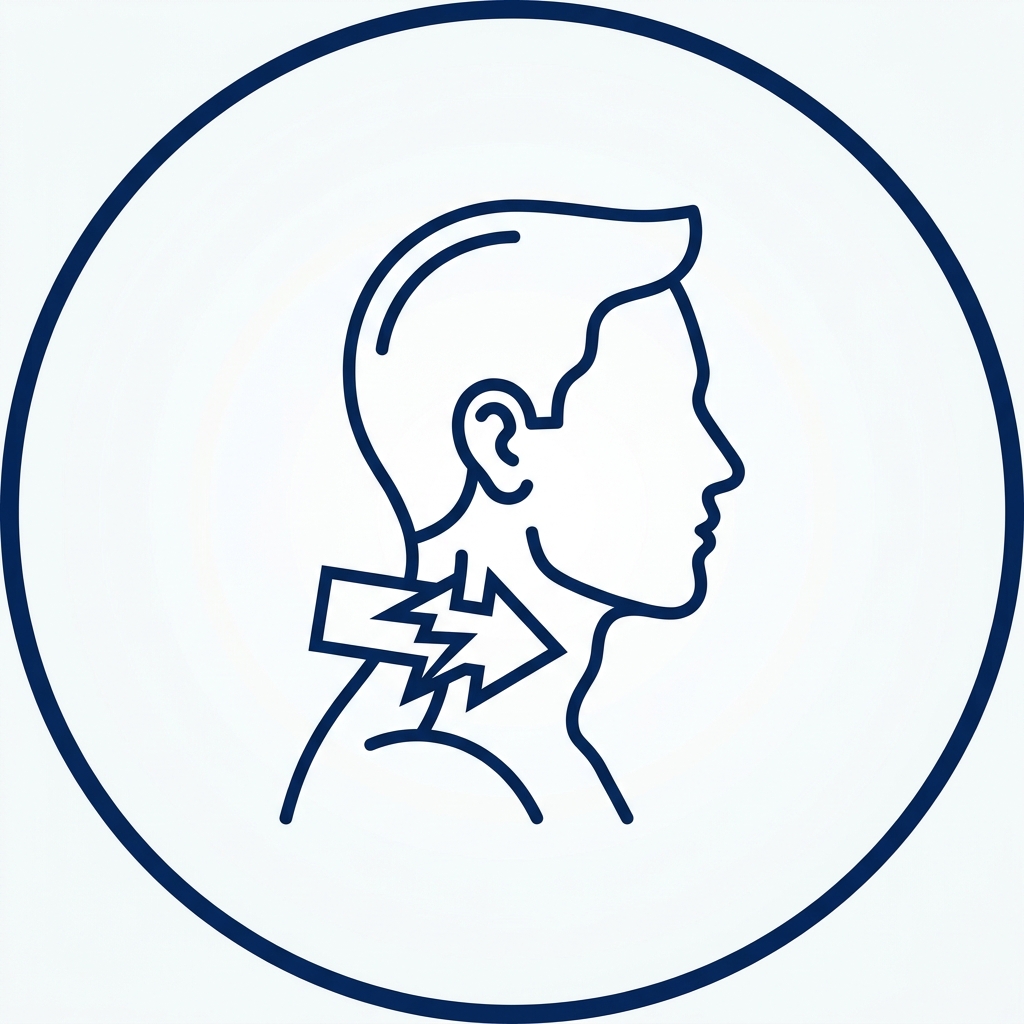
Forward Head Posture · Straight Neck
When pushing your head forward becomes a habit, the cervical spine loses its natural C-curve and the neck muscles are overloaded, causing chronic pain.
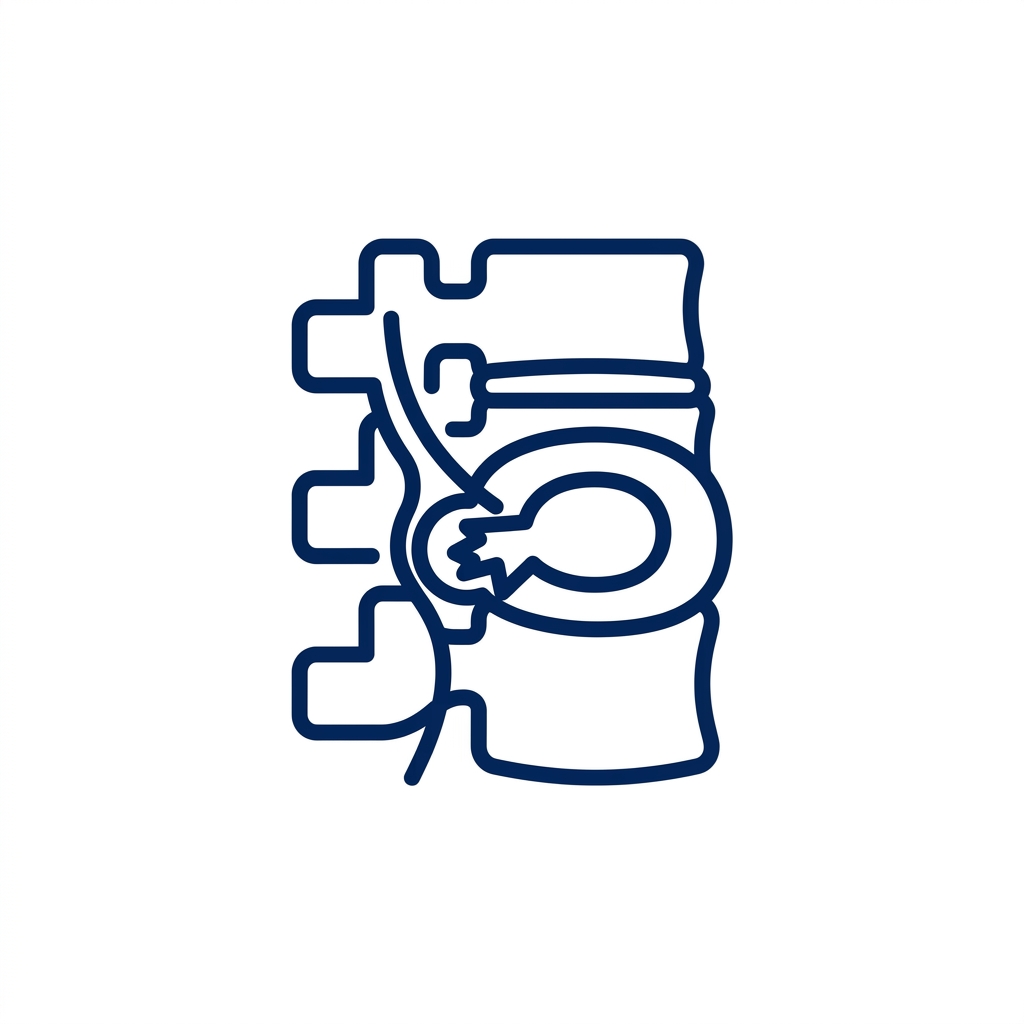
Cervical Disc Herniation
A disc between the cervical vertebrae bulges and presses on a nerve. Besides neck pain, radiating pain makes the arm and hand numb and weak.
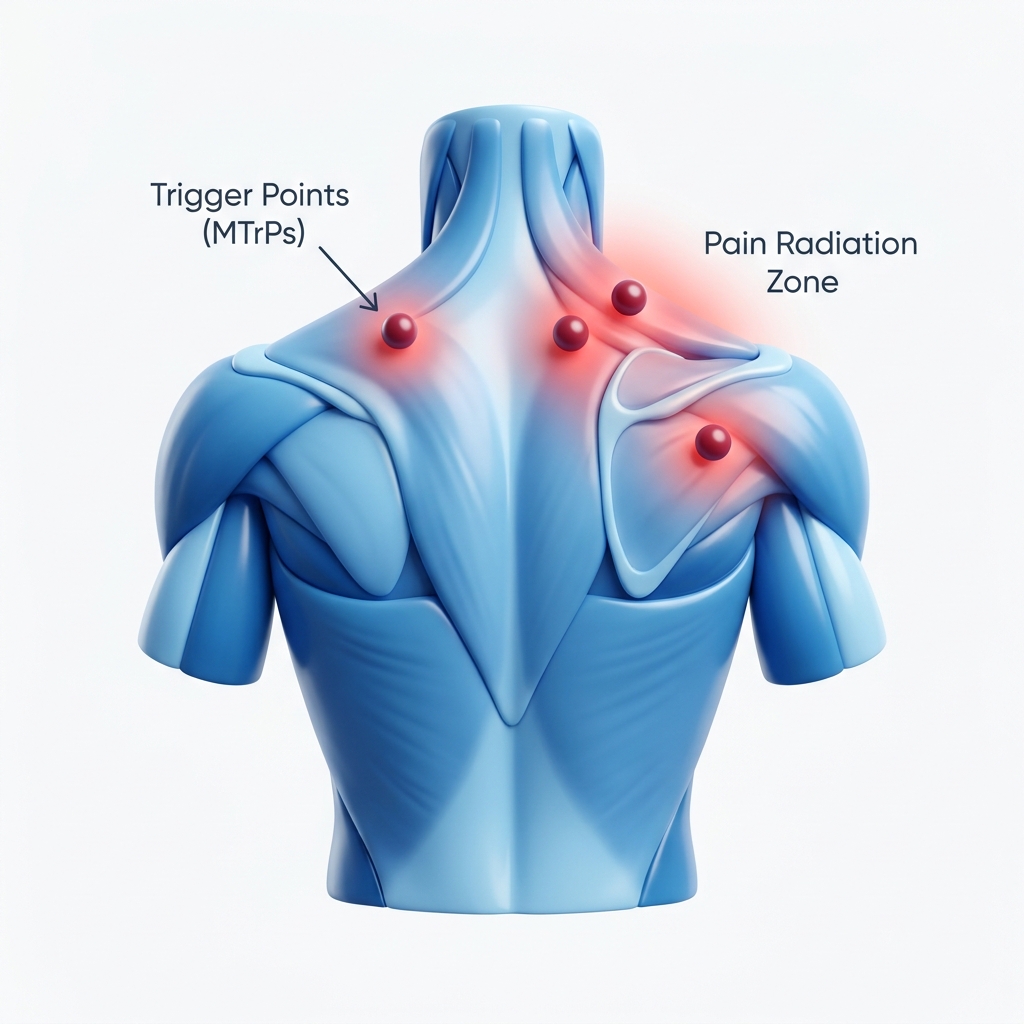
Myofascial Pain Syndrome
Chronic pain in which hard trigger points form in neck and shoulder muscles such as the trapezius and levator scapulae, bringing stiffness and headaches.
Do you have these symptoms?
If 2 or more of the symptoms below apply, Korean medicine can help.
- Your neck is stiff and hurts when you turn it
- Your shoulders feel heavy and very knotted
- Your arm or fingers are numb or have reduced feeling
- Pain starting at the back of your neck rises up into your head
- Your neck and shoulders stiffen the longer you sit
- Your neck often makes a 'crack' when you move it
Sosoilsang Clinic
Neck & Shoulder Pain Program
We correct the structural alignment of the cervical spine and release muscle tension to break the vicious cycle of pain.
Daily Care Guide
Combined with treatment, these can greatly reduce recurrence of neck and shoulder pain.
Adjust Monitor Height
Set the top of the screen at eye level and keep it 30~40cm away
The 50-Minute Rule
After 50 minutes of work, stretch for 10: turn your neck side to side and bend it forward
Pillow Height
Use a pillow that keeps your neck's C-curve; don't sleep on your stomach
Build Strength
Support your posture by strengthening the deep neck flexors and lower trapezius
Frequently Asked Questions
Yes. Correcting cervical alignment with Chuna therapy and relaxing stiff muscles with acupuncture and pharmacopuncture improves forward head posture. Usually, about 4~8 weeks of steady treatment combined with posture correction brings noticeable improvement.
70~80% of cervical disc cases improve with non-surgical treatment. Chuna therapy reduces pressure on the disc, acupuncture and pharmacopuncture calm inflammation and nerve swelling, and herbal medicine promotes recovery of damaged tissue.
Simple muscle tension needs 1~2 weeks, forward head posture correction 4~8 weeks, and a cervical disc about 6~12 weeks of steady treatment. For the first 2 weeks, we recommend intensive treatment 3~4 times a week.
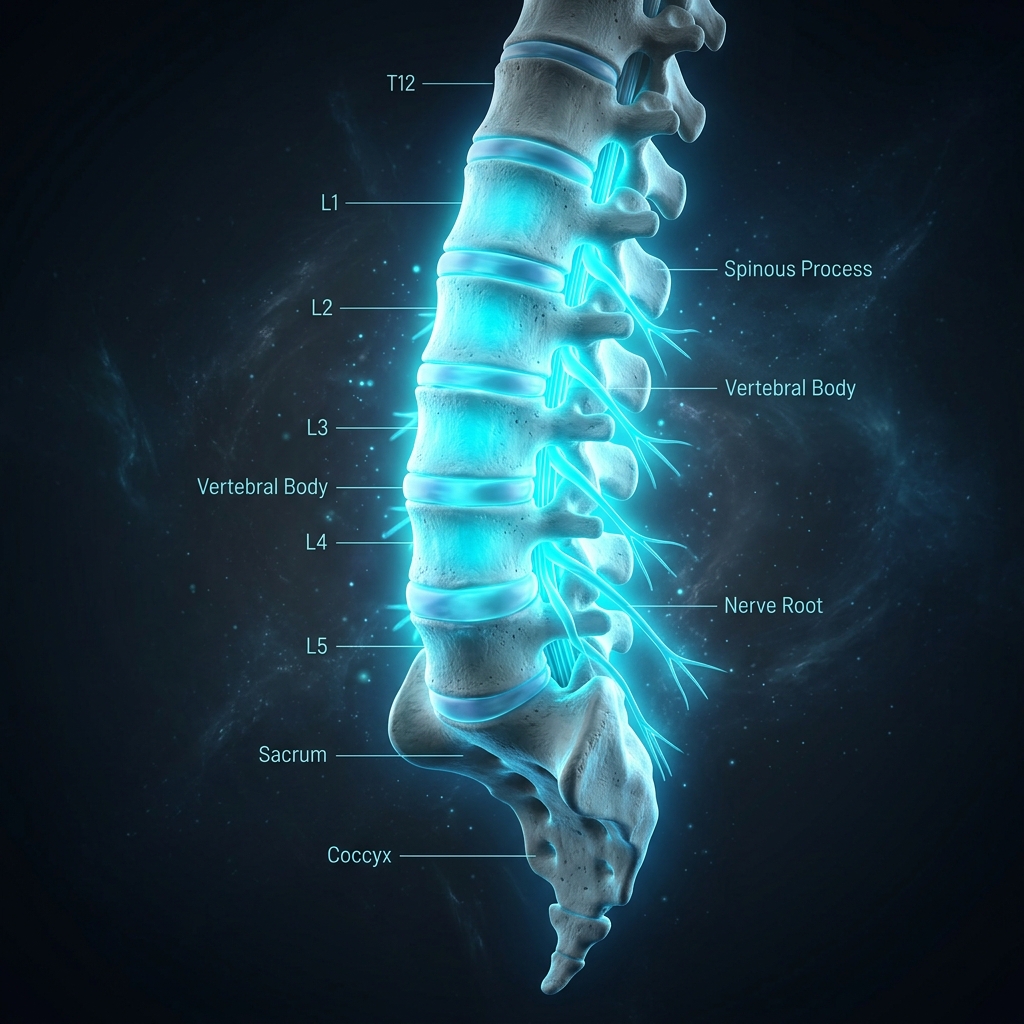
What Is Upper Back Pain?
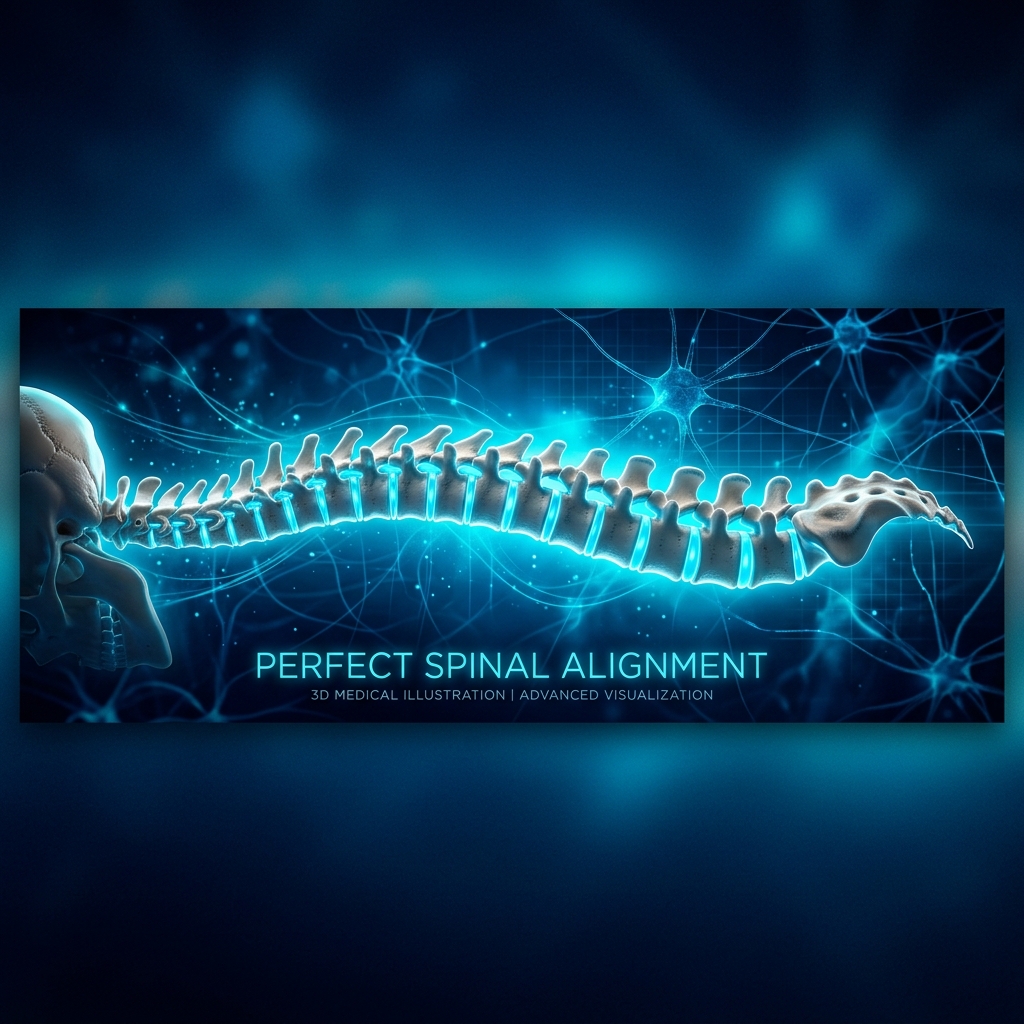
Pain in the thoracic spine (upper back) between the neck and lower back, mainly caused by poor posture and stress.
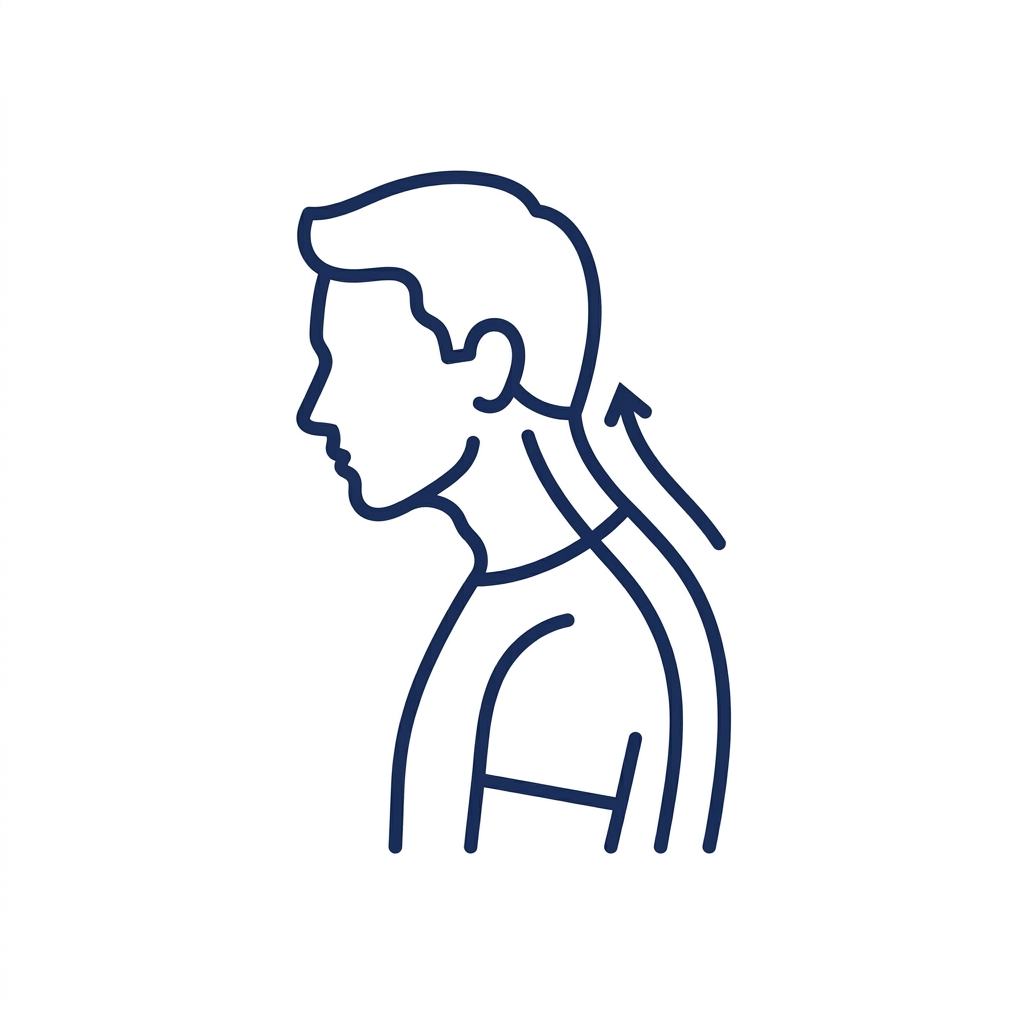
Poor Posture · Rounded Shoulders
Sitting hunched for long hours over-curves the thoracic spine and unbalances the surrounding muscles, causing chronic pain in the middle of the back.
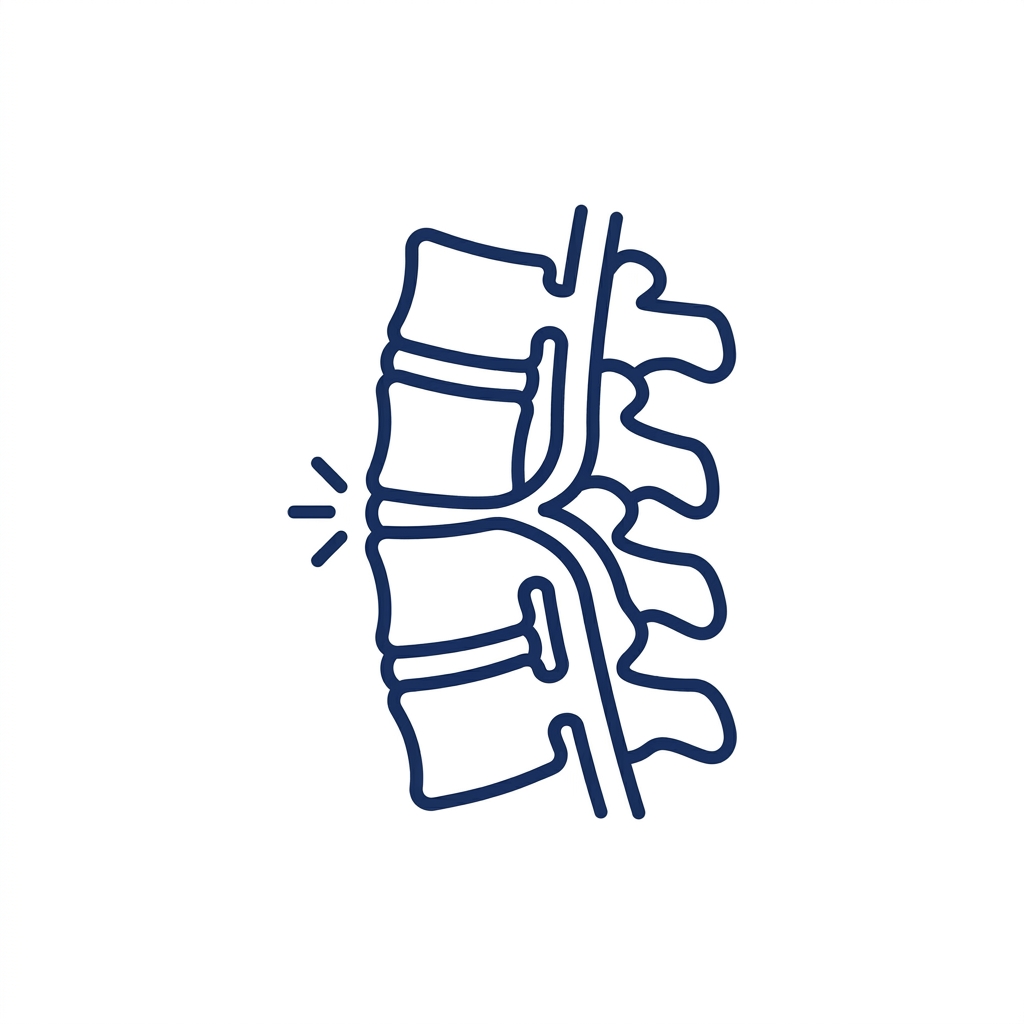
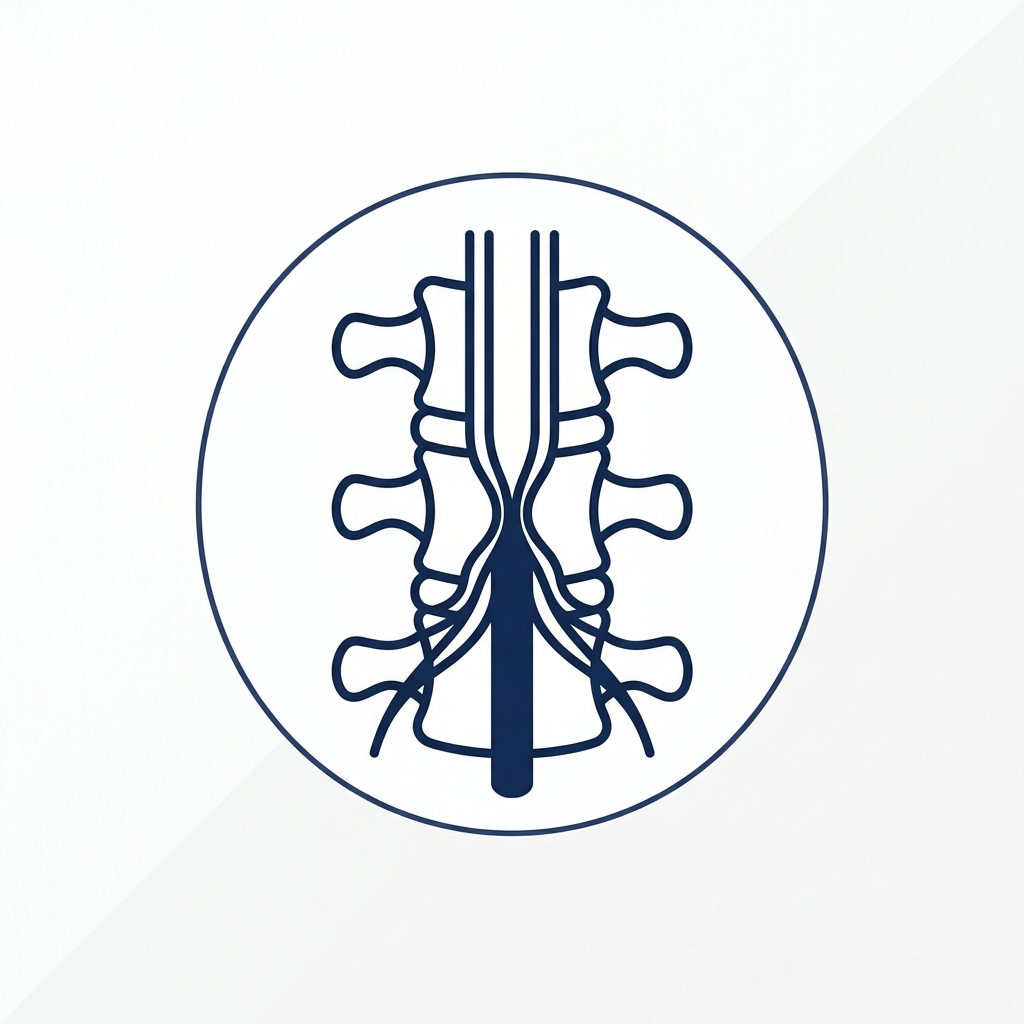
Intercostal Neuralgia
Nerves running between the ribs become irritated, causing stabbing pain. It worsens when you breathe deeply or cough.
Stress · Fascial Tension
Emotional stress causes chronic tension in the back muscles (rhomboids, latissimus dorsi). Korean medicine sees this as liver qi stagnation and stagnant qi and blood.
Do you have these symptoms?
Upper back pain may need to be distinguished from internal medical conditions, so an accurate diagnosis is important.
- The middle of your back feels stiff and heavy
- It aches and hurts between your shoulder blades
- Your side or back gives a sharp twinge when you breathe deeply or cough
- Your back is stiff when you stand up from sitting
- You're limited when bending or twisting your back
- Your back hurts more when you're stressed
Sosoilsang Clinic
Upper Back Pain Program
We correct the alignment of the thoracic spine and restore balance to the surrounding muscles to fundamentally improve chronic upper back pain.
Daily Care Guide
Habits to practice to prevent upper back pain and its return.
Chest Stretch
Place your arms on a door frame and open your chest; 30 seconds, 3 times a day
Use the Backrest
Keep your lower and upper back against the backrest and support your thoracic spine with a cushion
Backstroke Swimming
Backstroke and water exercise are recommended to strengthen back muscles evenly
Warm Compress
Apply a warm pack to knotted areas of the back for 15~20 minutes to boost blood flow
Frequently Asked Questions
If it comes with chest pain or shortness of breath, internal medical causes must be ruled out first. At our clinic we also check for internal conditions at the first visit and guide you to imaging tests if needed.
With upper back pain from myofascial causes, pain often drops by 50% or more after just 1~2 sessions of acupuncture and pharmacopuncture. If structural problems are involved, combining Chuna therapy can bring clear improvement within 4~6 weeks.
Yes. Easing inflammation and muscle tension around the intercostal nerves with acupuncture and pharmacopuncture, and correcting thoracic and rib alignment with Chuna therapy, improves it effectively. Most cases improve within 2~4 weeks.
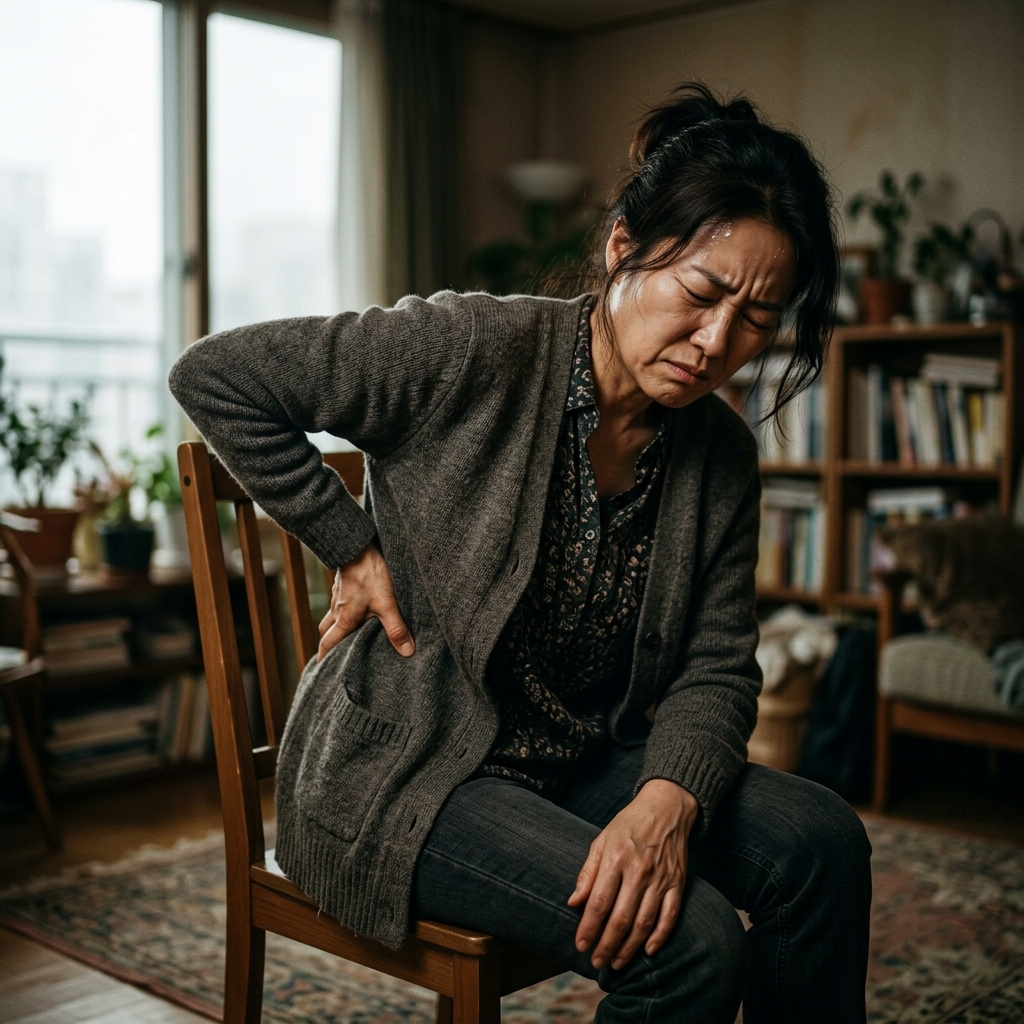
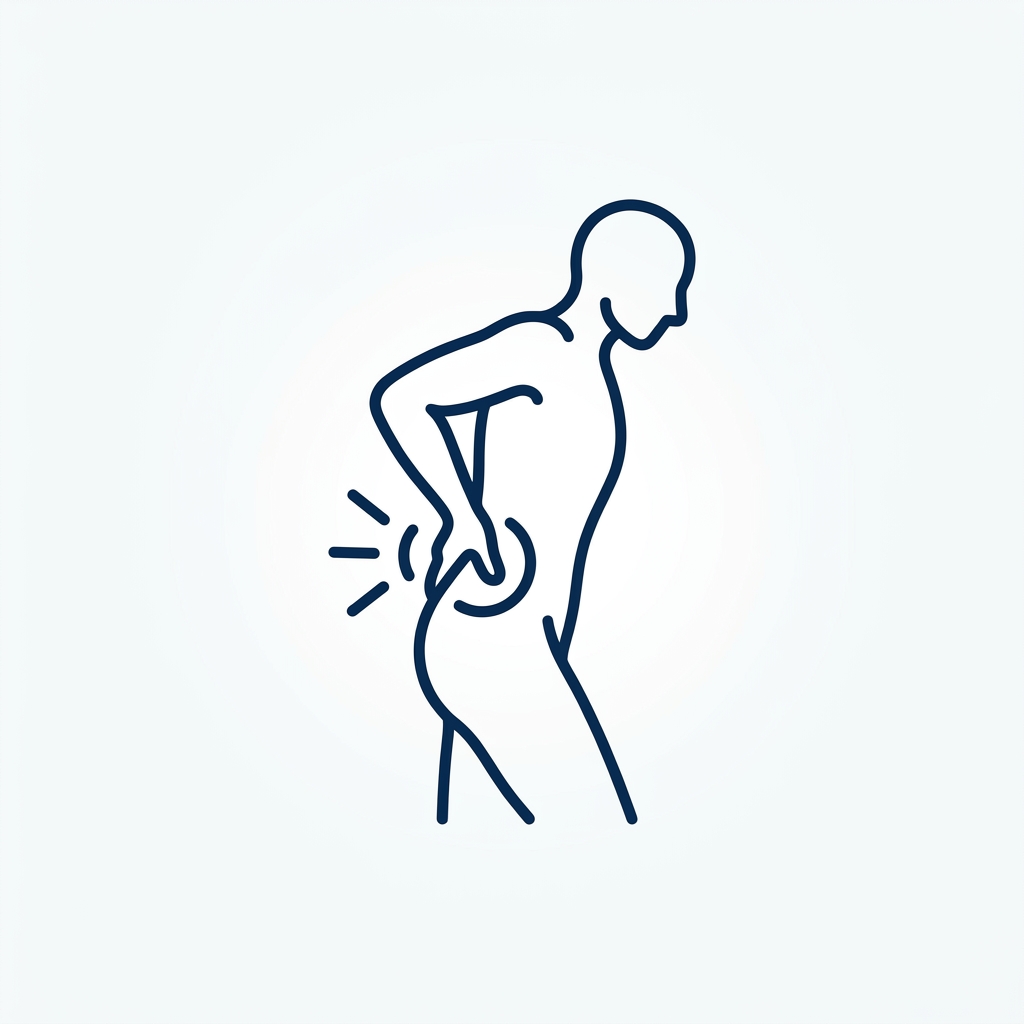
What Is Lower Back Pain?
80% of people experience lower back pain at least once in their lives. With the right diagnosis and treatment, you can recover without surgery.
Lumbar Disc Herniation
A lumbar disc bulges and presses on a nerve root. It is characterized by lower back pain along with pain radiating down the leg (sciatica).
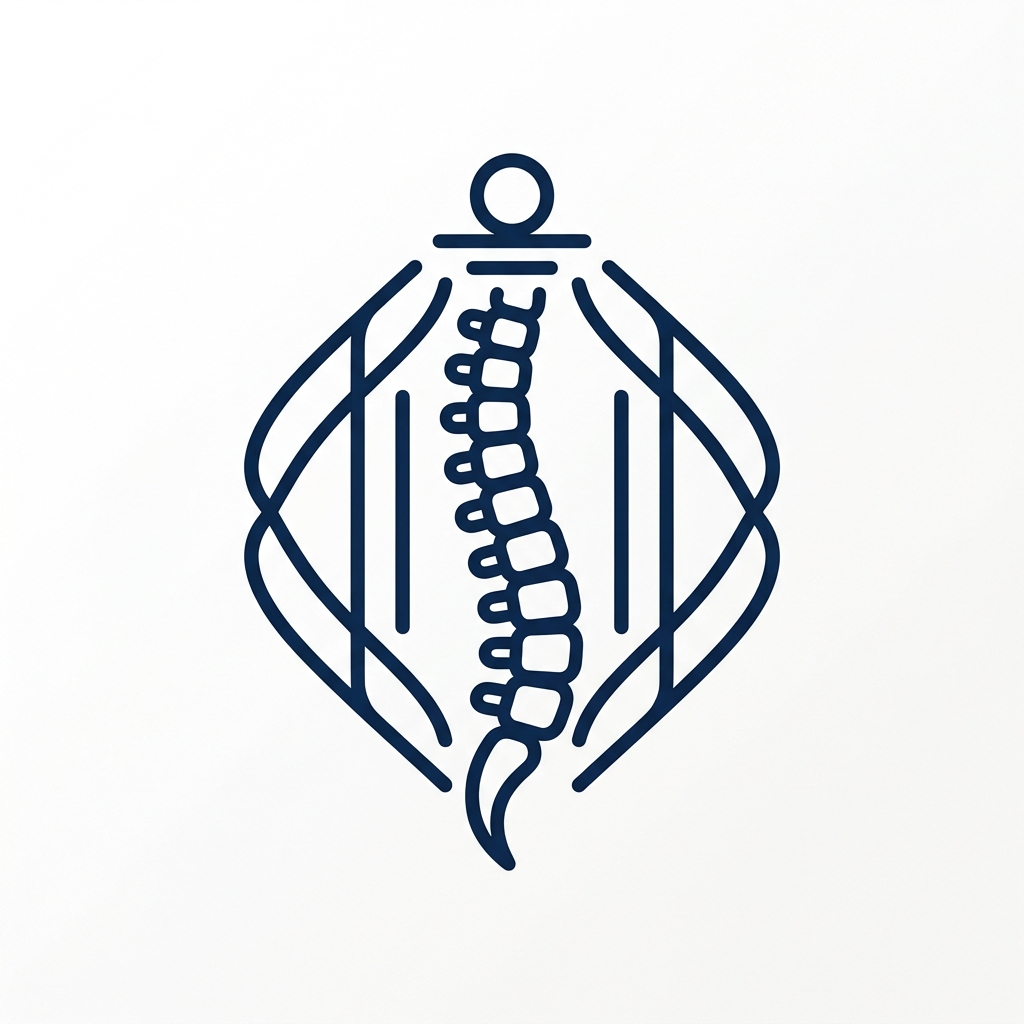
Spinal Stenosis
When the spinal canal narrows and squeezes the nerves, your legs go numb and heavy as you walk, so you have to rest often. It is common in people over 50.
Myofascial Low Back Pain
The most common type of low back pain, caused by overuse and tension of the muscles around the lower back (erector spinae, quadratus lumborum); it can cause severe pain even without a disc problem.
Do you have these symptoms?
If 2 or more of the symptoms below apply, you need an accurate diagnosis and treatment.
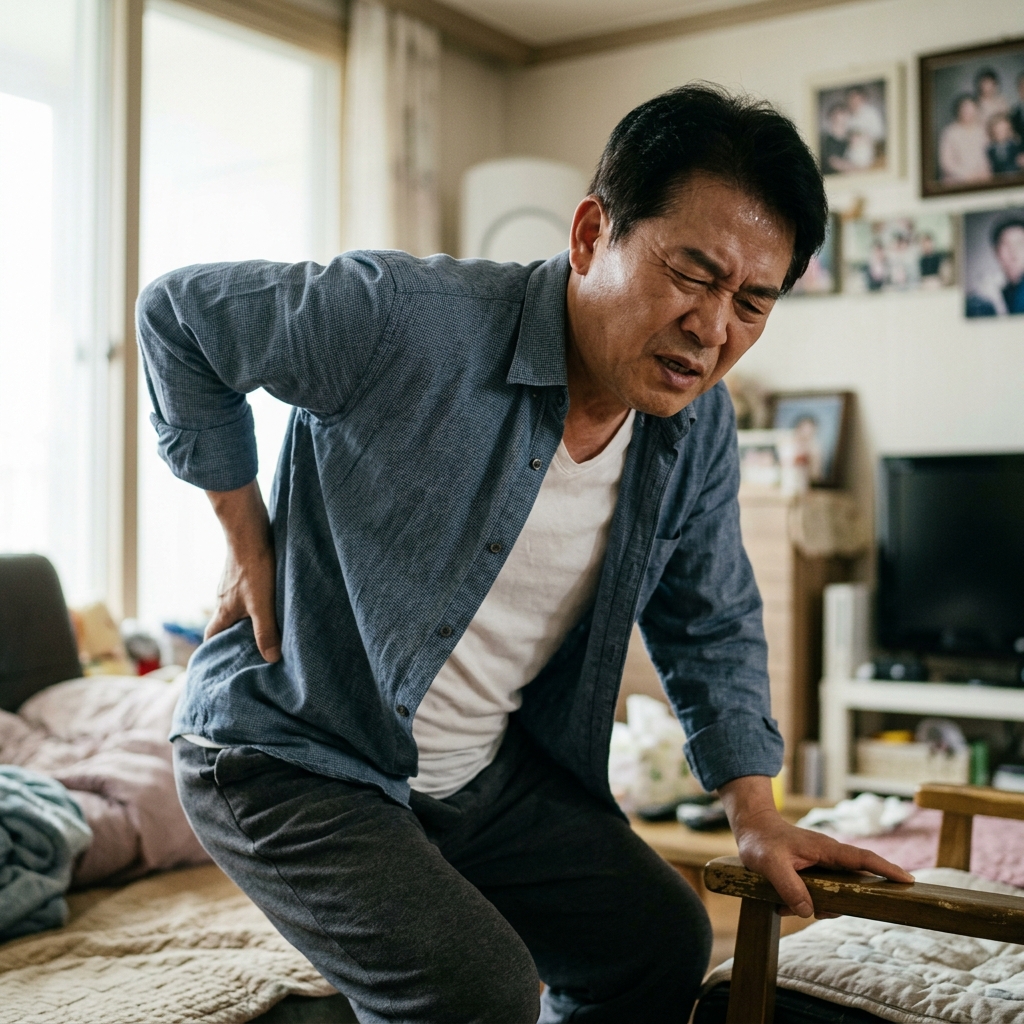
- Your lower back hurts so much it's hard to sit for long
- You feel numbness or pulling from your buttocks down your leg
- Your lower back is so stiff in the morning you can't straighten up right away
- It hurts a lot when you bend forward or lean back
- Your legs feel heavy when walking and you have to rest often
- A sneeze or cough sends a sudden jolt of pain through your lower back
Sosoilsang Clinic
Lower Back Pain Program
We manage disc herniation and stenosis without surgery and restore lumbar stability for a healthy lower back that stays pain-free.
Daily Care Guide
Habits you must practice daily to protect your lower back.
Core Exercises
Strengthen your core with planks and bridges to stabilize the spine
Walking
Walk on flat ground for 30 minutes a day to boost circulation without straining your back
Mind Your Posture
Bend your knees to lift heavy objects; avoid sitting for long periods and crossing your legs
Sleeping Position
Lie on your back with a pillow under your knees
Frequently Asked Questions
About 80% of lumbar disc cases improve with non-surgical treatment. Chuna therapy, acupuncture and pharmacopuncture reduce inflammation around the herniated disc and encourage natural reabsorption. However, if paralysis is progressing or you have bladder or bowel problems, surgery may be needed.
Yes, mild to moderate stenosis can be managed effectively with Korean medicine. Chuna therapy widens the space in the spinal canal, acupuncture and pharmacopuncture reduce inflammation around the nerves, and herbal medicine slows degenerative change, gradually increasing how far you can walk.
Acute low back pain needs about 1~2 weeks, disc herniation 4~8 weeks, and stenosis about 8~12 weeks of steady treatment. We start with intensive treatment 2~3 times a week and reduce to once a week as you improve.
Start your consultation today
Don't put up with neck, back or lower back pain any longer. We'll start by finding the root cause in your spine.
Shoulder, Elbow, Wrist
& Finger Joint Treatment
From frozen shoulder and tennis elbow to carpal tunnel syndrome and trigger finger – we treat joint inflammation and restore range of motion.
Book an Appointment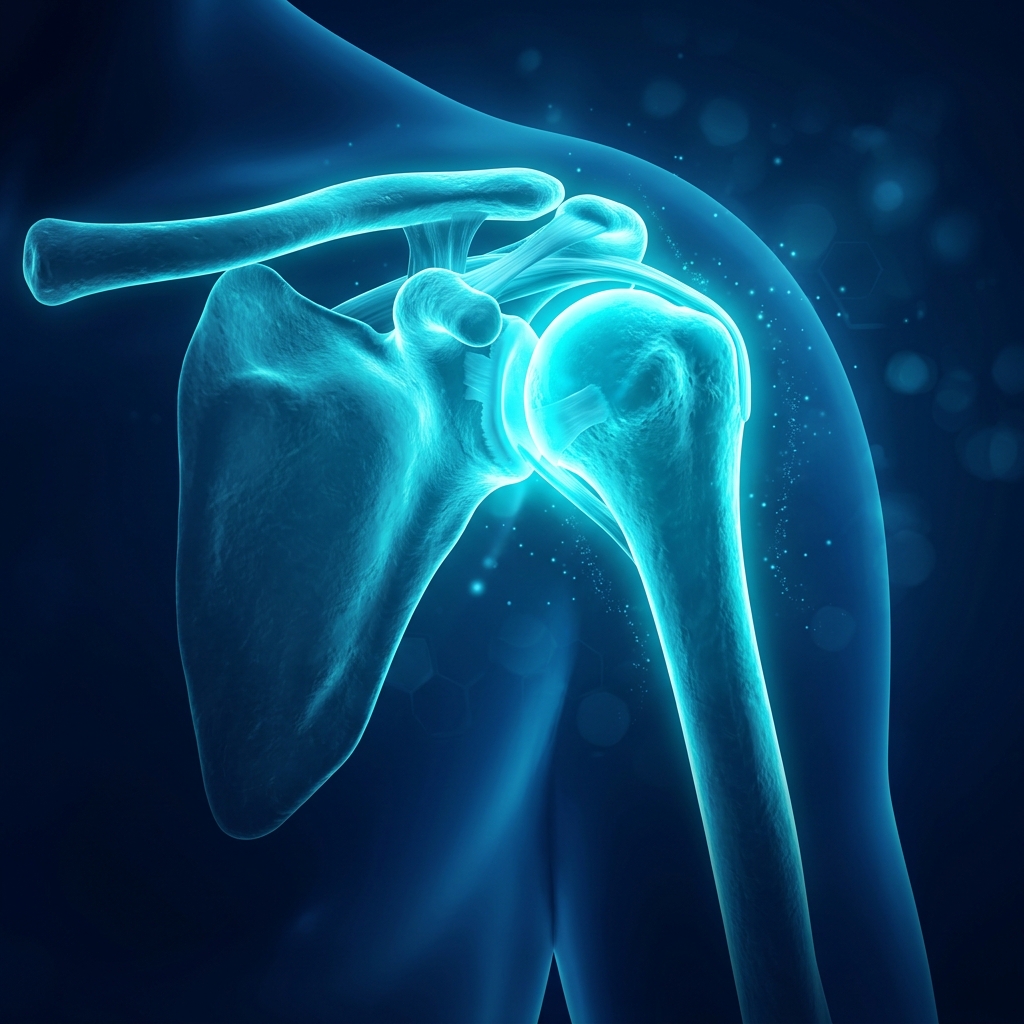
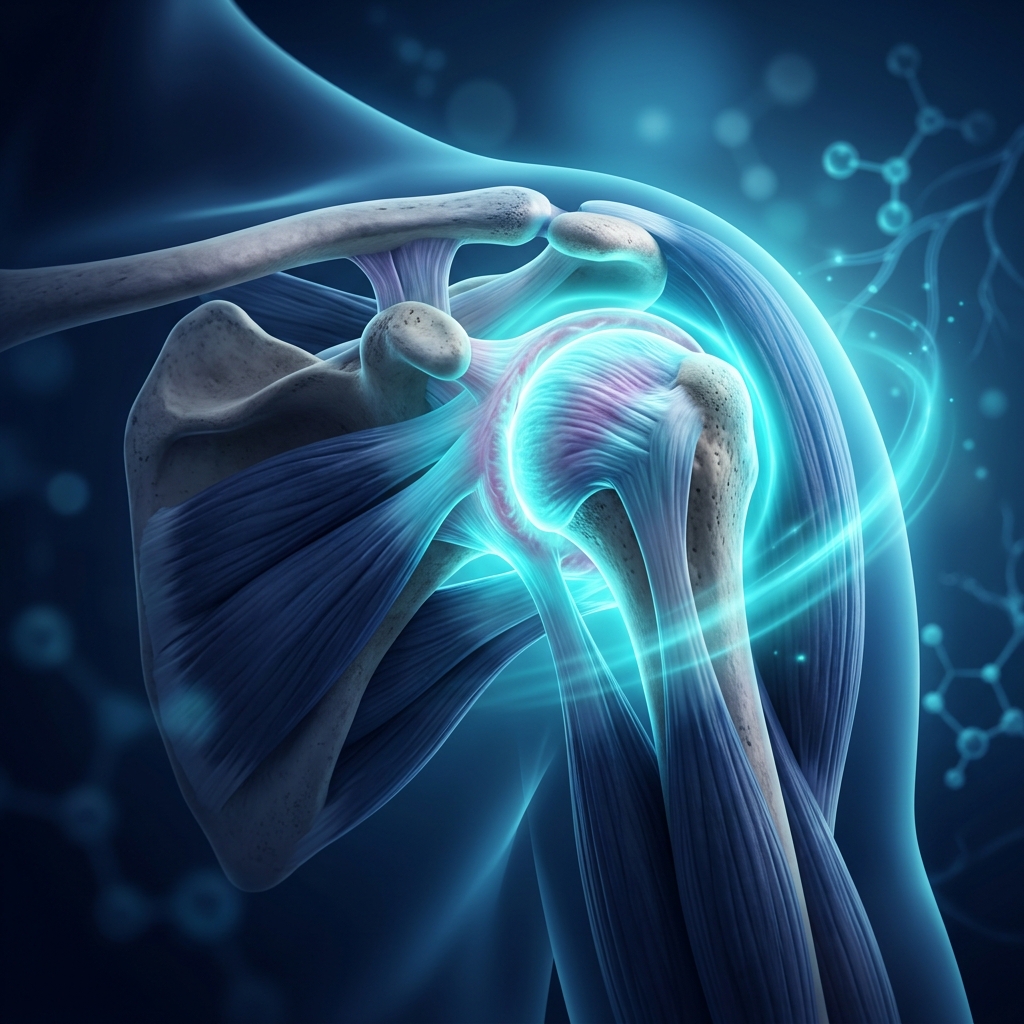
What Is Shoulder Pain?
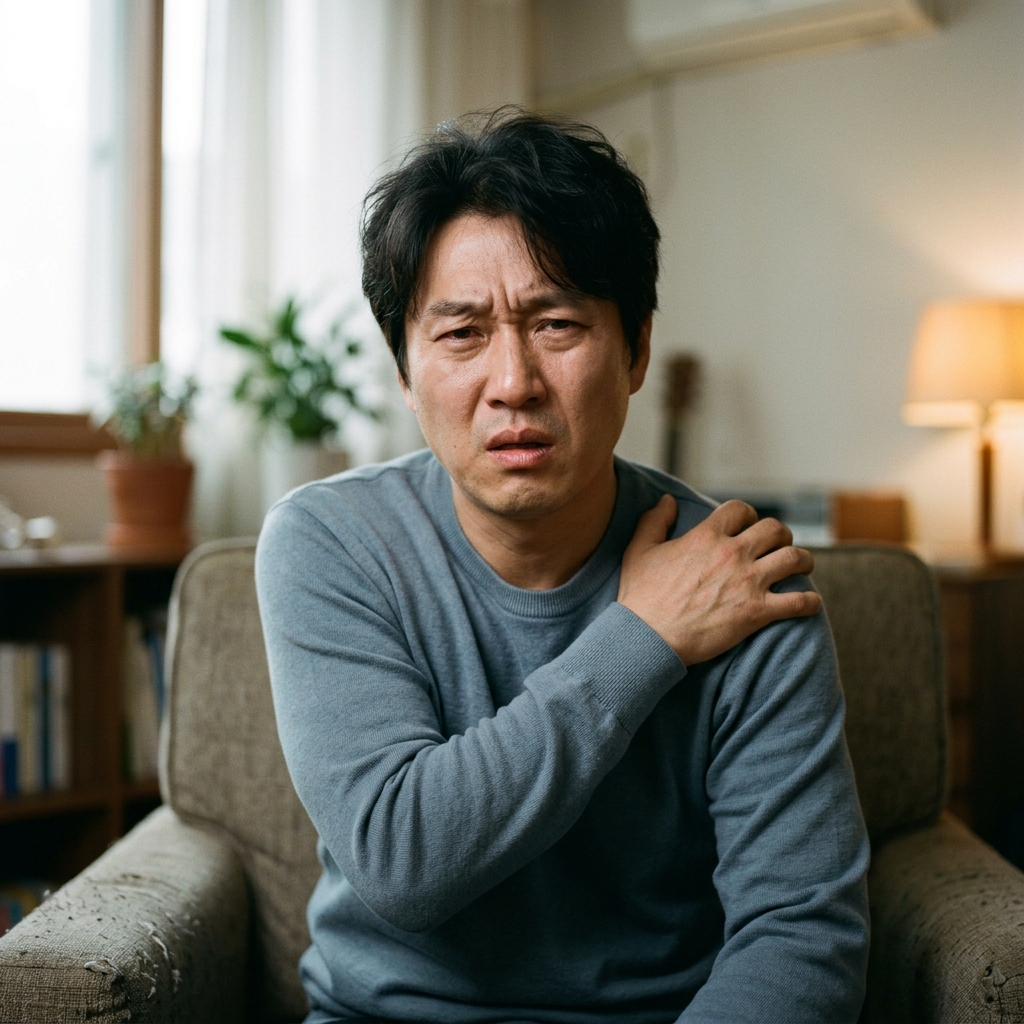
Shoulder pain that makes it hard to raise your arm and hurts more at night. From frozen shoulder to rotator cuff injury, pinpointing the exact cause is where treatment starts.
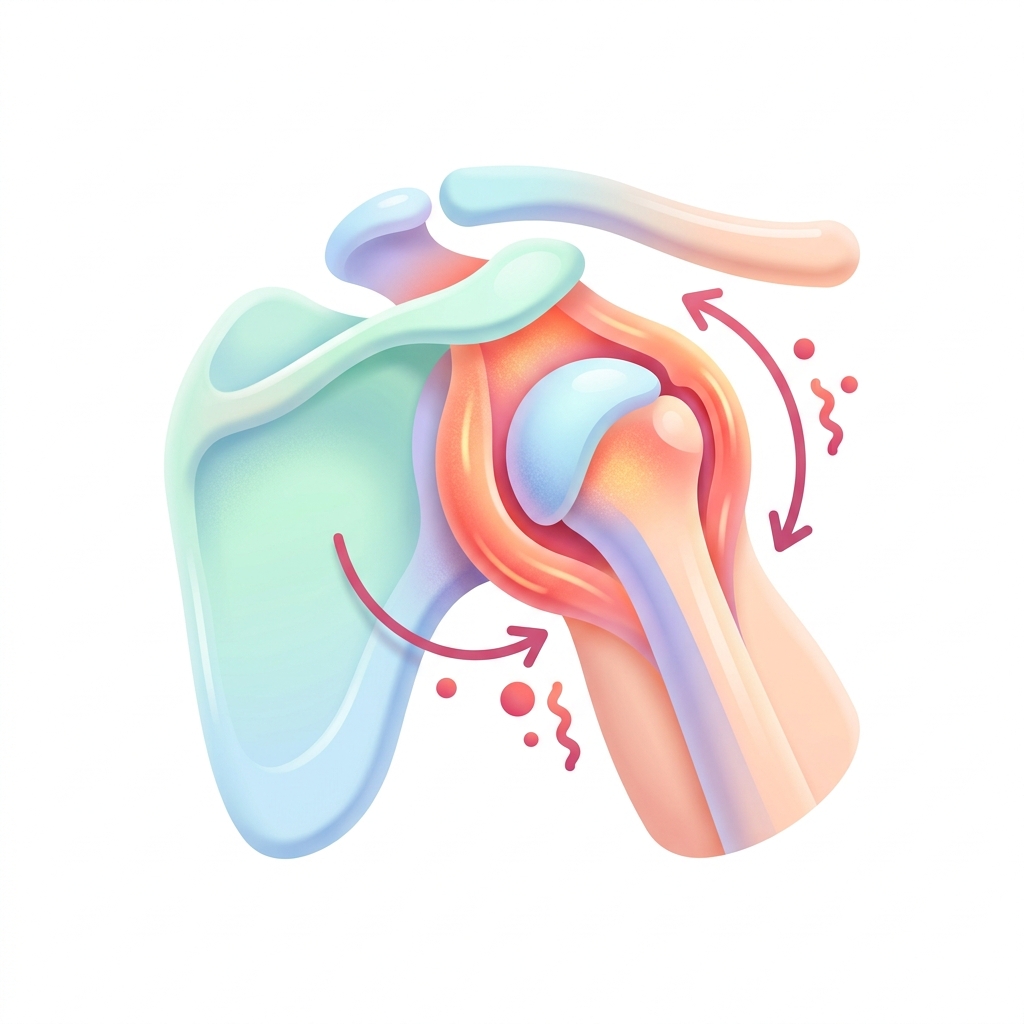
Frozen Shoulder (Adhesive Capsulitis)
The shoulder joint capsule thickens and sticks together, gradually reducing movement. It's hard to raise your arm or reach behind you, and pain gets worse at night.
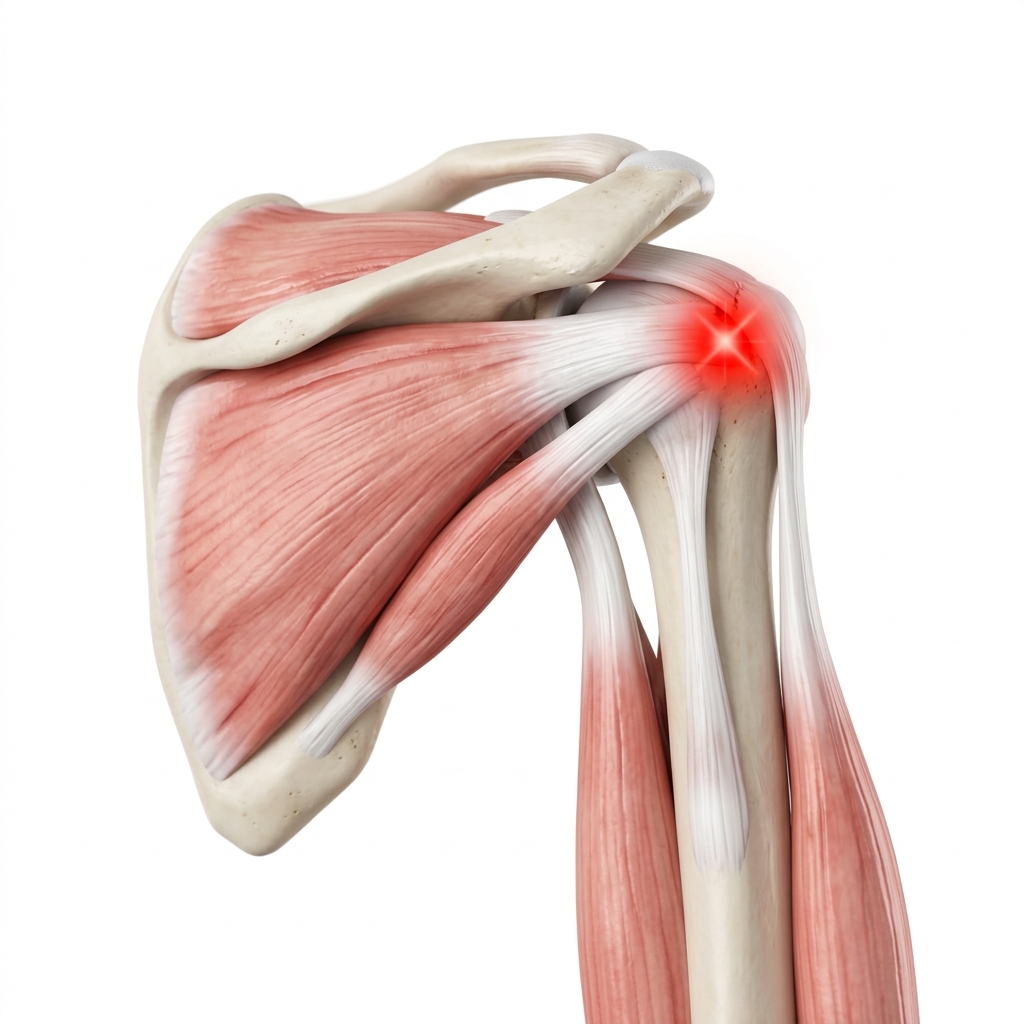
Rotator Cuff Injury
The 4 tendons wrapping the shoulder (rotator cuff) are damaged by repeated use or injury. Pain appears at certain angles when lifting the arm, and the arm feels weak.
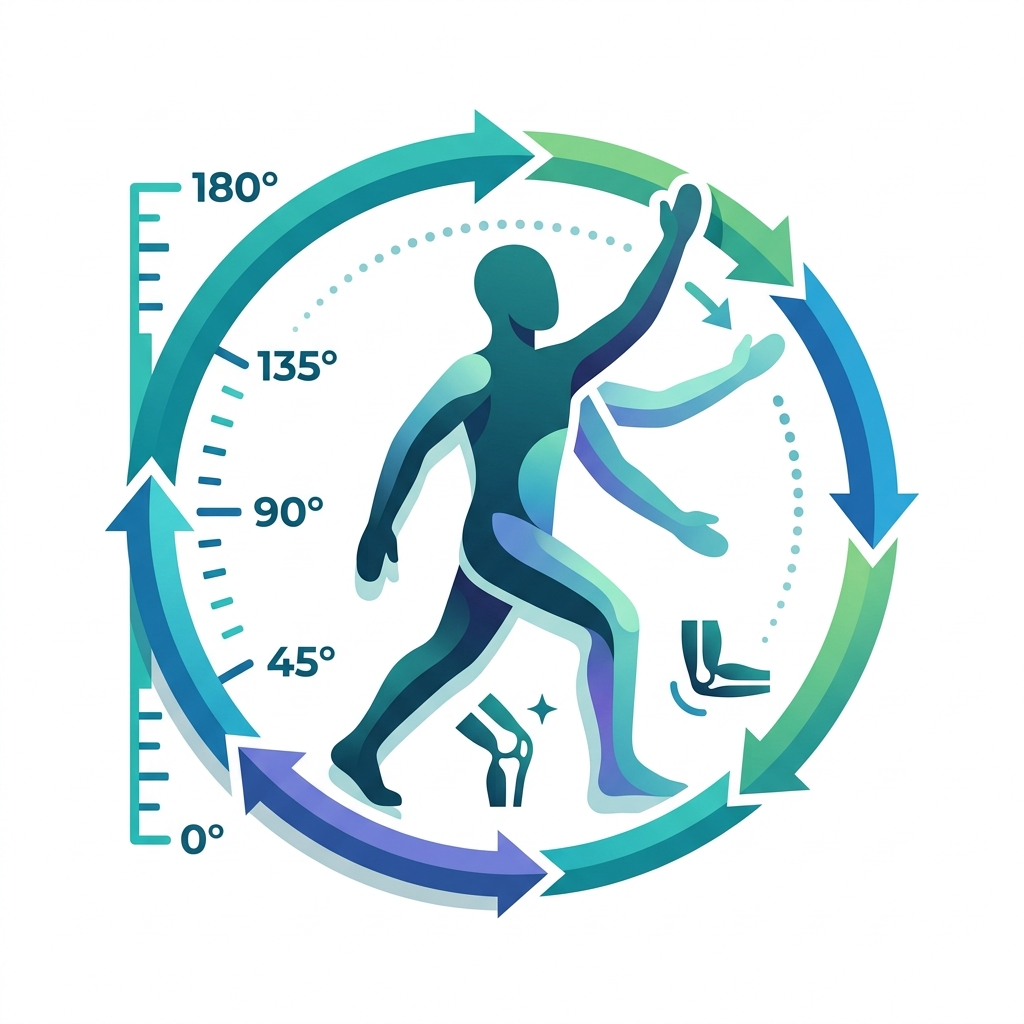
Impingement Syndrome
When you raise your arm, a tendon gets pinched under the shoulder blade (acromion), causing pain. It's common in people who make repetitive arm movements.
Do you have these symptoms?
If 2 or more of the symptoms below apply, Korean medicine can help.
- It's hard to raise your arm or reach behind you
- Pain gets worse when you lie on the sore side at night
- Your shoulder hurts when dressing or combing your hair
- Your shoulder makes clicking sounds and feels like it catches
- Your arm feels weak and it's hard to lift things
- Shoulder pain keeps getting worse and disturbs your sleep
Sosoilsang Clinic
Shoulder Pain Program
We release stuck joints and promote recovery of damaged tendons to give you back free movement of your shoulder.
Daily Care Guide
Combined with treatment, these can greatly reduce recurrence of shoulder pain.
Pendulum Exercise
Lean forward and let your arm swing naturally to gently relax the shoulder joint
Wall Walk Stretch
Place your fingers on a wall and slowly walk them up to gradually increase your range of motion
Warm Compress
Apply a warm compress around the shoulder for 15~20 minutes to boost blood flow and ease stiffness
Sleeping Position
Lie on the side that doesn't hurt and support the sore arm with a pillow
Frequently Asked Questions
Left alone, it sometimes recovers naturally over 1~2 years, but meanwhile the pain can be severe and range of motion may be permanently reduced. Actively releasing the adhesions with Chuna therapy, acupuncture and pharmacopuncture makes a faster recovery possible within 3~6 months.
Partial or small tears can improve well with conservative Korean medicine. Pharmacopuncture reduces inflammation, acupuncture and electroacupuncture strengthen surrounding muscles, and herbal medicine promotes tendon tissue recovery. Surgery is considered only when a complete tear is confirmed.
Impingement and myofascial pain need about 2~4 weeks, partial rotator cuff injury 4~8 weeks, and frozen shoulder about 8~16 weeks of steady treatment. For the first 2 weeks, we recommend intensive treatment 3~4 times a week.
What Is Elbow Pain?
Sharp elbow pain every time you grip or twist something. Tendon overuse, as in tennis elbow and golfer's elbow, is the main cause.
Tennis Elbow (Lateral Epicondylitis)
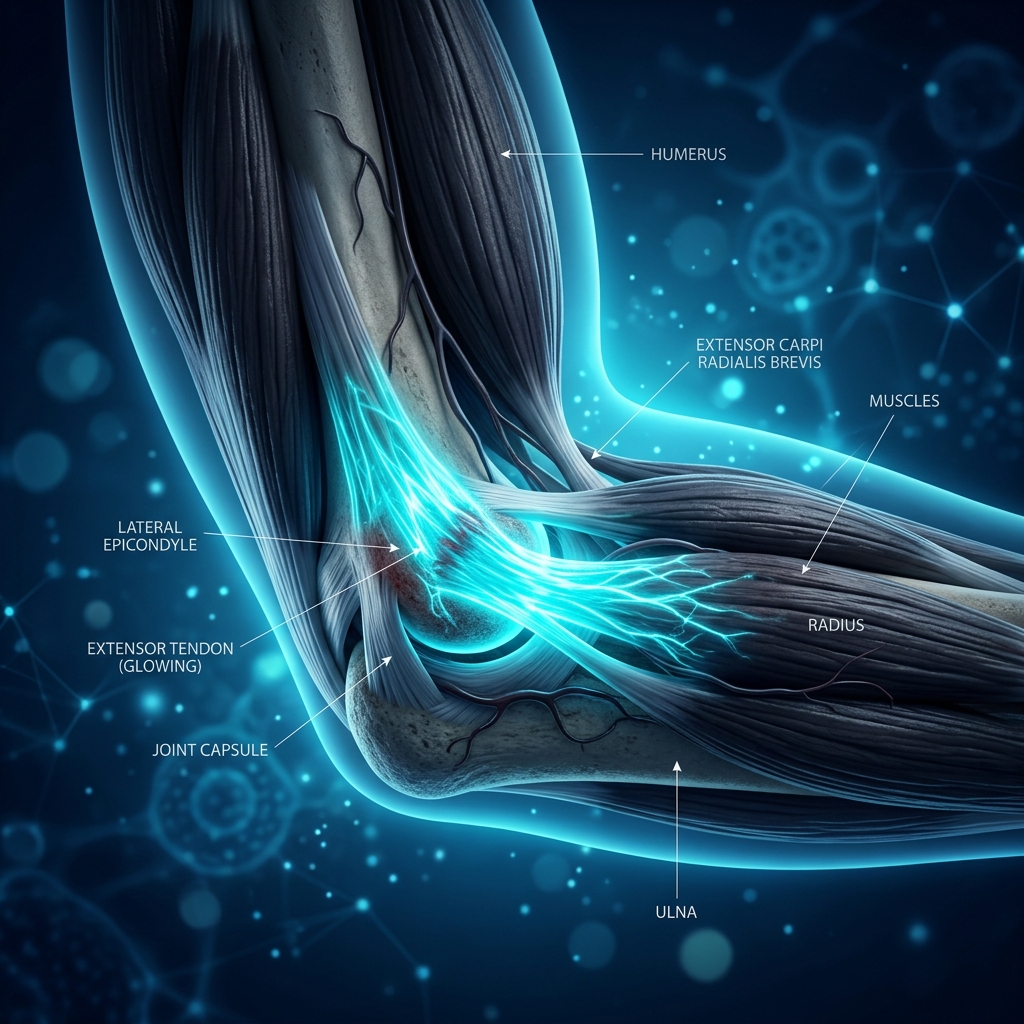
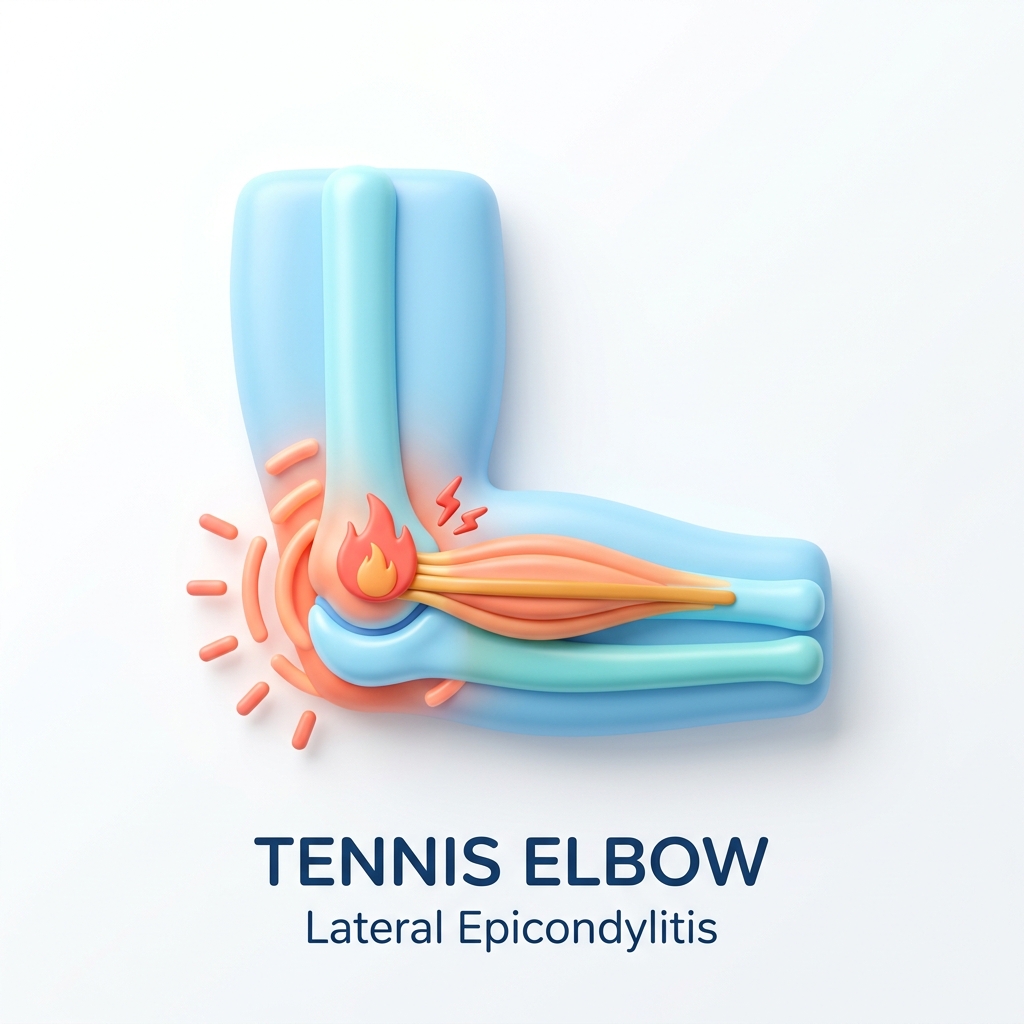
The tendon attached to the bony bump on the outside of the elbow is damaged, causing sharp pain when gripping things or wringing a towel. Repeated wrist use is the cause.
Golfer's Elbow (Medial Epicondylitis)
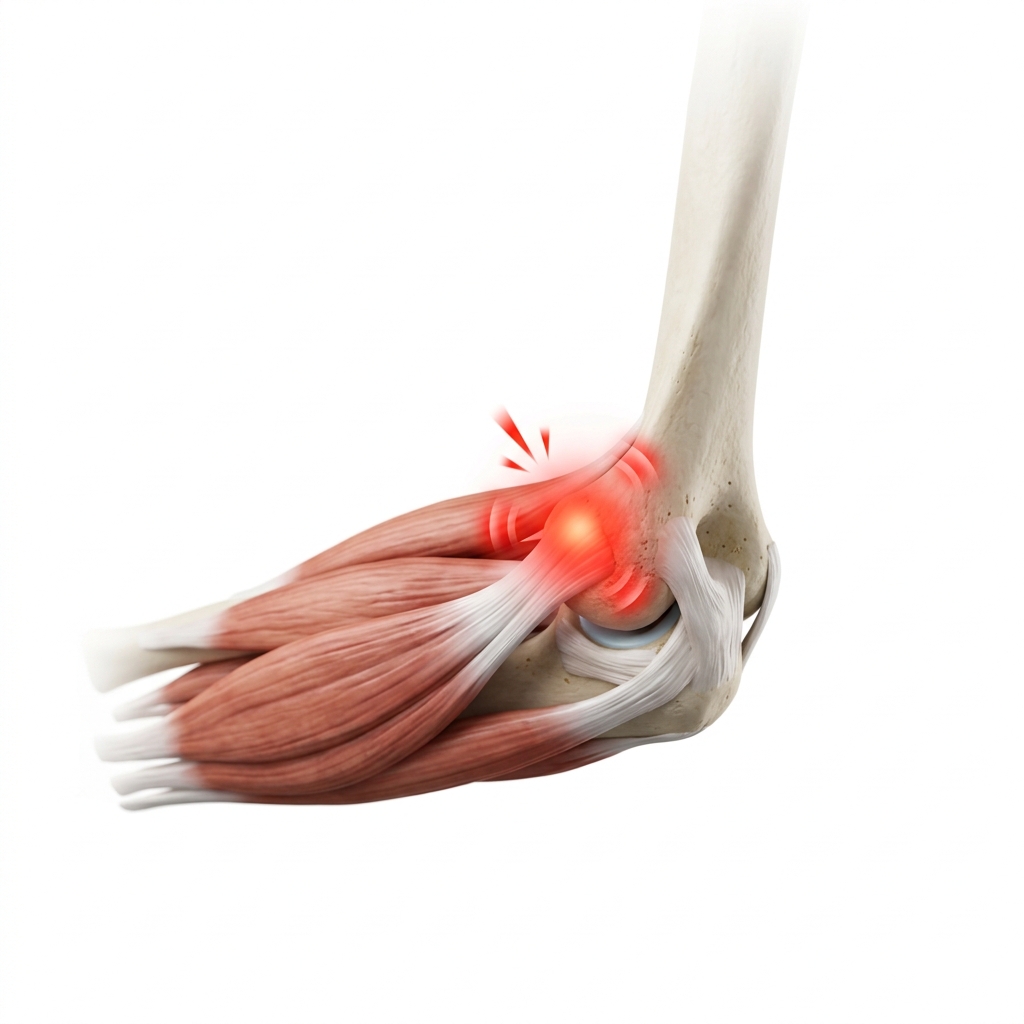
Repeated micro-damage to the tendon on the inside of the elbow causes inflammation. The inner elbow hurts when you grip hard or twist your arm, and numbness may reach your fingers.
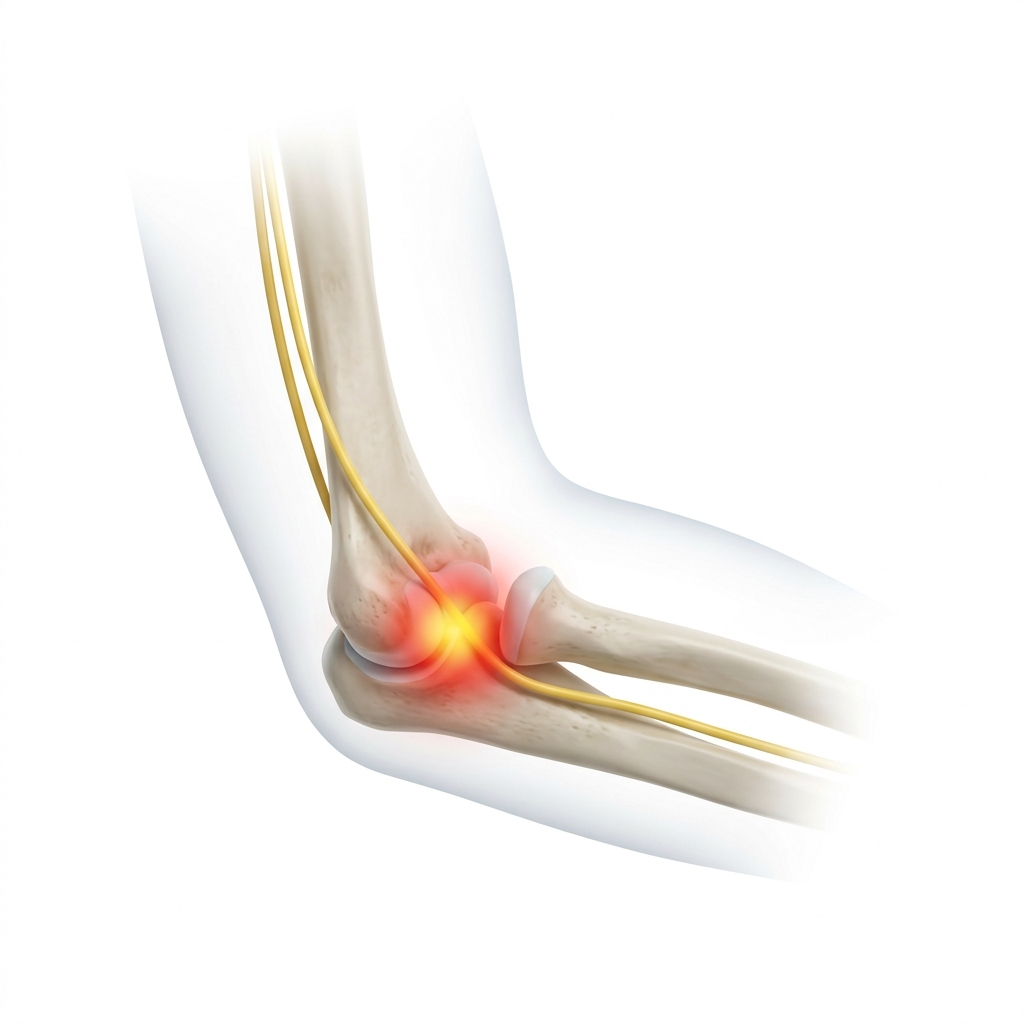
Cubital Tunnel Syndrome (Ulnar Nerve Entrapment)
The ulnar nerve passing along the inside of the elbow is compressed, causing numbness and abnormal sensation in the ring and little fingers. It worsens when you keep your elbow bent for a long time.
Do you have these symptoms?
If 2 or more of the symptoms below apply, Korean medicine can help.
- The outside of your elbow twinges when you grip something
- It hurts to turn a doorknob or open a bottle cap
- Your elbow feels stiff when you bend and straighten it
- Shaking hands or gripping hard makes your elbow hurt too
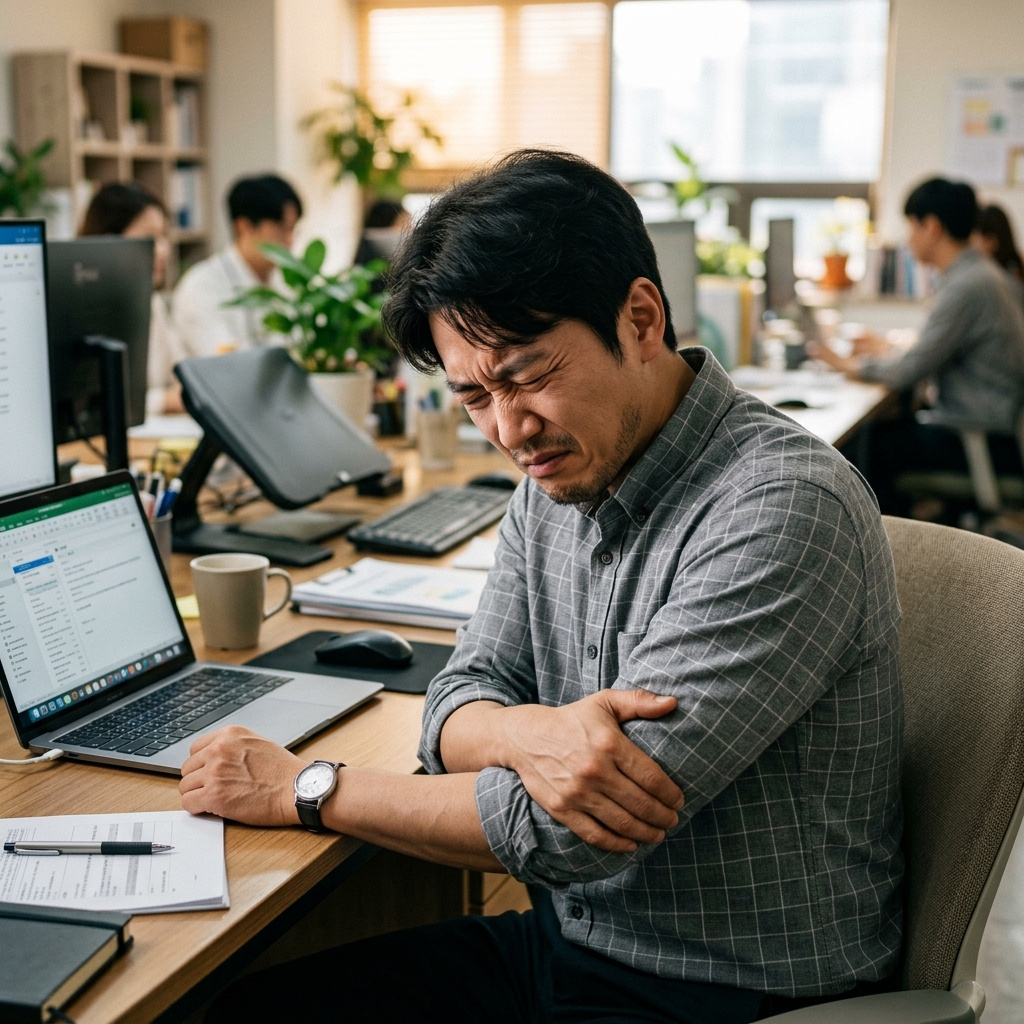
- Your ring and little fingers (4th and 5th) often go numb
- Elbow pain gets worse after using a computer or smartphone
Sosoilsang Clinic
Elbow Pain Program
We calm inflammation in damaged tendons and promote tissue regeneration to give you back a pain-free daily life.
Daily Care Guide
Combined with treatment, these can greatly reduce recurrence of elbow pain.
Cut Down on Repetitive Movements
Minimize movements that trigger pain and take breaks while working
Forearm Stretch
Extend your arm and pull back the back of your hand / palm with the other hand, 30 seconds each
Cold / Warm Compress
Cold compress for 15 minutes in the acute phase; warm compress in the chronic phase to boost blood flow
Wear a Brace
Use an elbow band to spread the load on the tendon attachment and protect it
Frequently Asked Questions
Yes, most people with tennis elbow have nothing to do with tennis. Any activity that uses the wrist repeatedly – using a computer mouse, cooking, cleaning, working with tools – can be the cause.
Very effective. Acupuncture and pharmacopuncture boost blood flow to micro-damaged areas of the tendon and reduce inflammation to support tissue regeneration. Most people experience clear improvement within 2~4 weeks.
Acute epicondylitis needs about 2~4 weeks, chronic tennis/golfer's elbow 4~8 weeks, and ulnar nerve entrapment about 6~10 weeks of treatment. Combining treatment with lifestyle changes greatly lowers the recurrence rate.
What Is Wrist Pain?
From carpal tunnel syndrome, which makes the wrist numb and weak, to De Quervain's tenosynovitis – we treat the pain that troubles modern wrists at the root.
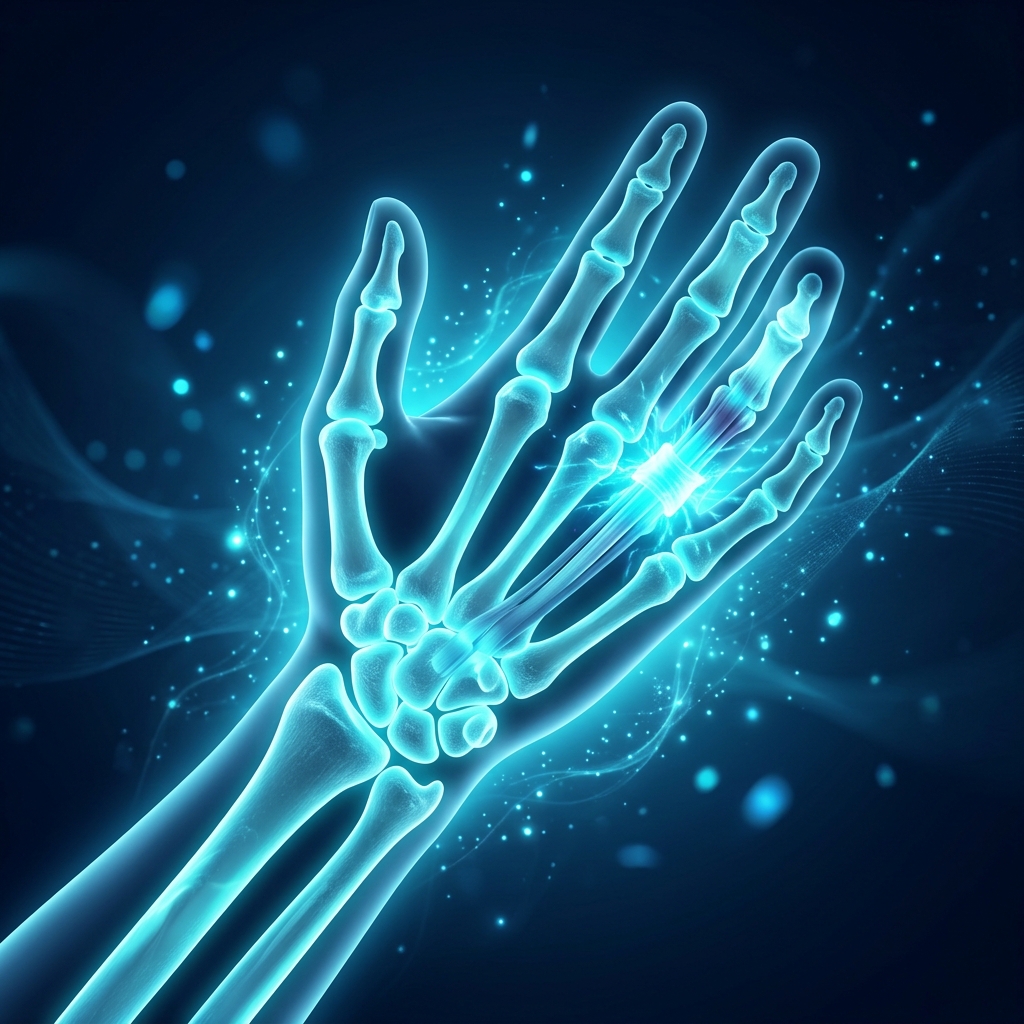
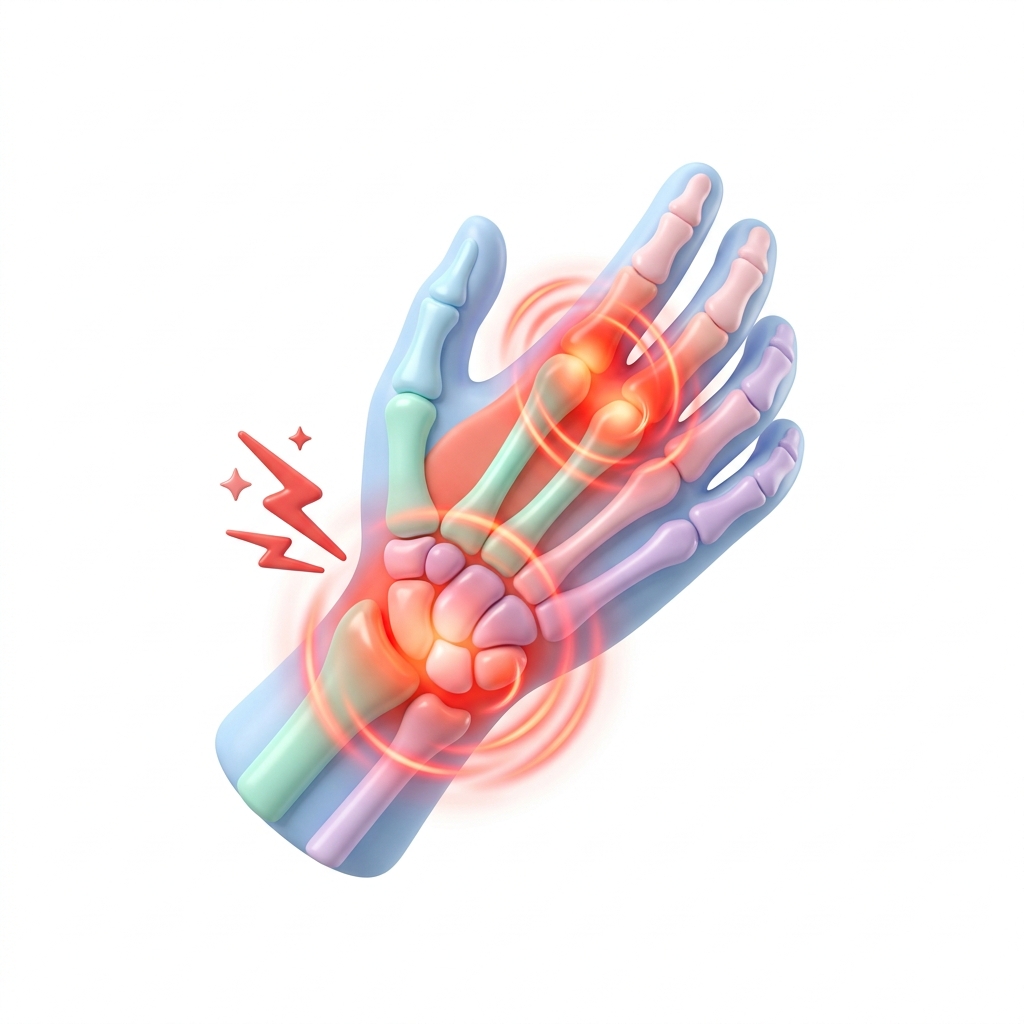
Carpal Tunnel Syndrome
The median nerve is compressed in the narrow passage inside the wrist (carpal tunnel), causing numbness and reduced feeling from the thumb to the middle finger. Symptoms worsen at night, and as it progresses the thumb muscles weaken.
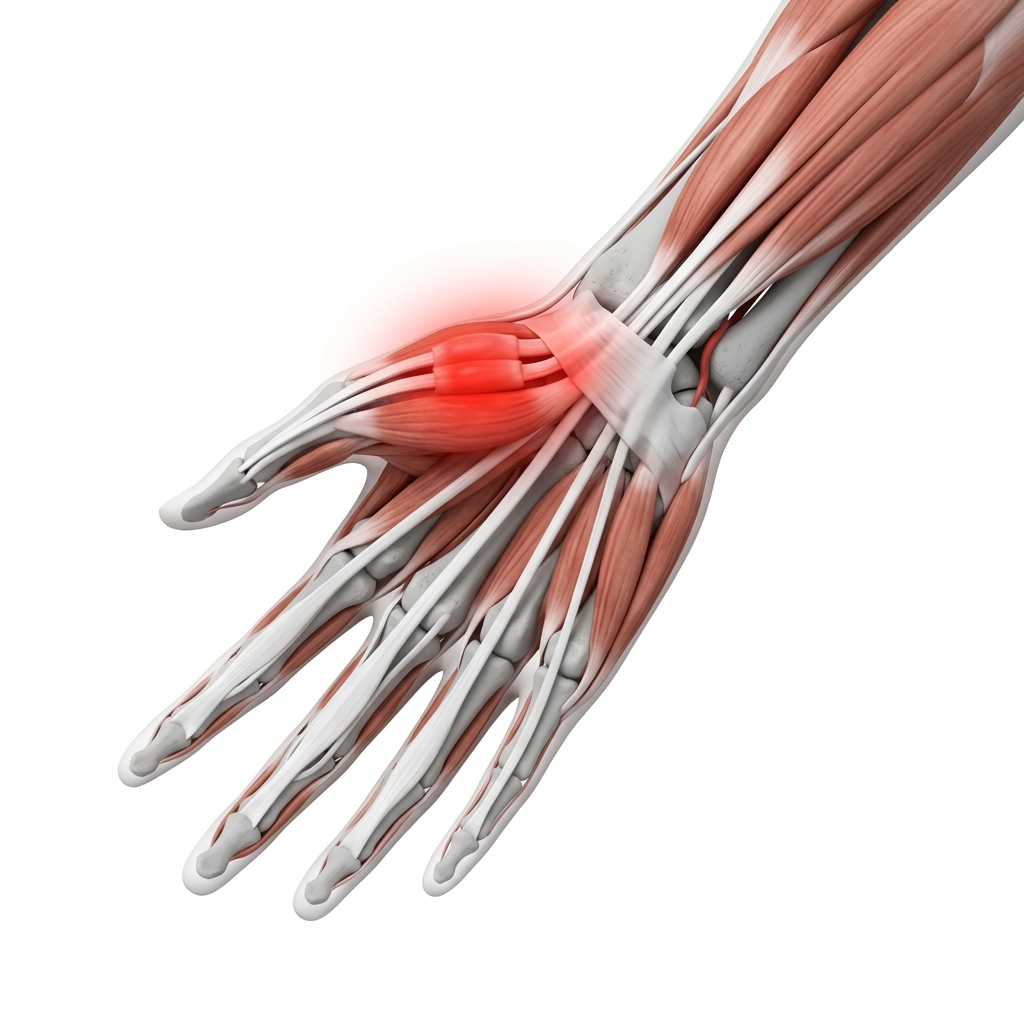
De Quervain's Tenosynovitis
The sheath surrounding the tendons on the thumb side of the wrist becomes inflamed. The outer wrist hurts when you move your thumb or grip things; childcare and housework are main causes.
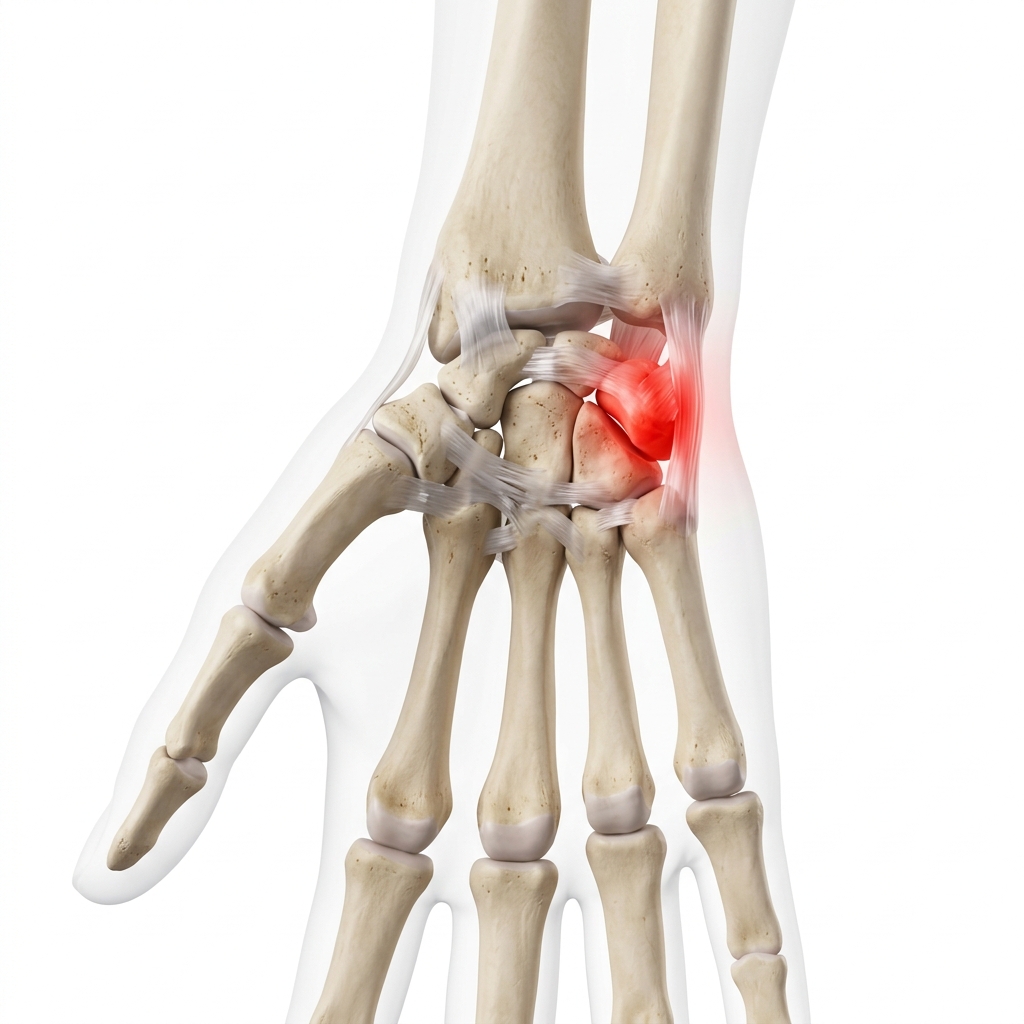
Wrist Tendinitis · TFCC Injury
Repeated keyboard and mouse use inflames the wrist tendons, or the triangular fibrocartilage complex (TFCC) is damaged, making the little-finger side of the wrist painful and weak.
Do you have these symptoms?
If 2 or more of the symptoms below apply, Korean medicine can help.
- Your fingers often go numb and have reduced feeling
- Your hands feel stiff and swollen in the morning
- Your wrist goes weak when you grip something
- Moving your thumb makes the outer wrist hurt
- You sometimes wake at night because your hands are numb
- It hurts a lot when you bend or twist your wrist
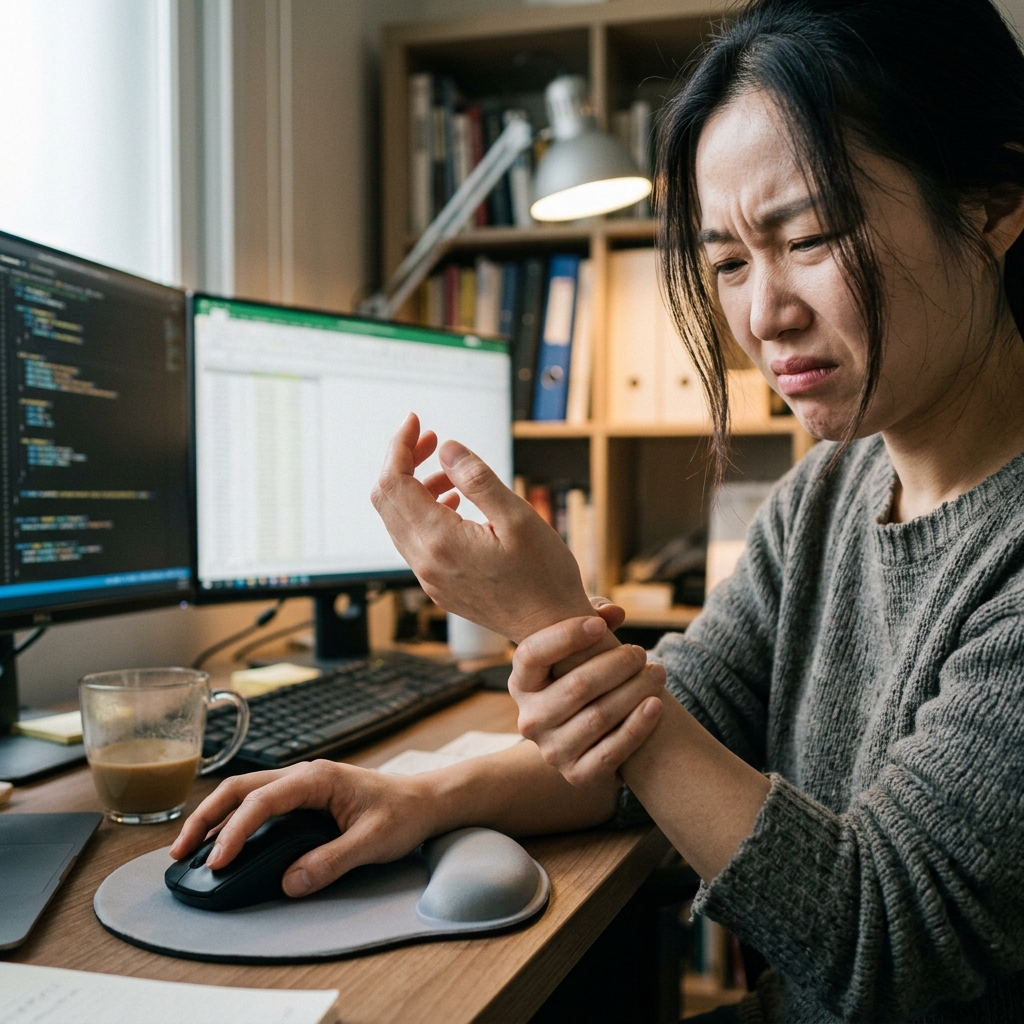
Sosoilsang Clinic
Wrist Pain Program
We release compressed nerves and calm inflammation to restore normal function and feeling to your wrist.
Daily Care Guide
Combined with treatment, these can greatly reduce recurrence of wrist pain.
Keep Your Wrist Neutral
Use a wrist pad with your keyboard and mouse to stop your wrist bending, and keep it level
Wrist Stretches
Every hour, do 10 reps each of wrist circles, bends and extensions
Wear a Brace
Wear a night wrist splint to keep your wrist from bending during sleep and protect the nerve
Avoid Overuse
Avoid movements that strain the wrist, such as lifting heavy things, hand-washing laundry and wringing out cloths
Frequently Asked Questions
Mild to moderate carpal tunnel syndrome improves well with conservative Korean medicine. Acupuncture and pharmacopuncture reduce swelling and inflammation around the carpal tunnel, and correcting carpal bone alignment with Chuna therapy relieves pressure on the nerve. Surgery is considered only in severe cases with marked muscle wasting.
Usually 2~4 weeks of intensive treatment greatly reduces pain, and within 4~6 weeks daily life becomes comfortable. However, if it's hard to fully avoid the causing activities (childcare, housework, etc.), steady care is needed.
For carpal tunnel syndrome, wearing it during sleep at night matters most. During the day, wear it only when pain is bad, and stretch your wrist whenever you can. Wearing it for long periods can actually weaken the muscles, so adjust appropriately.
What Is Finger Pain?
Trigger finger that catches with a click, rheumatoid arthritis with swollen painful joints, and degenerative change – even pain in small joints makes daily life very uncomfortable.
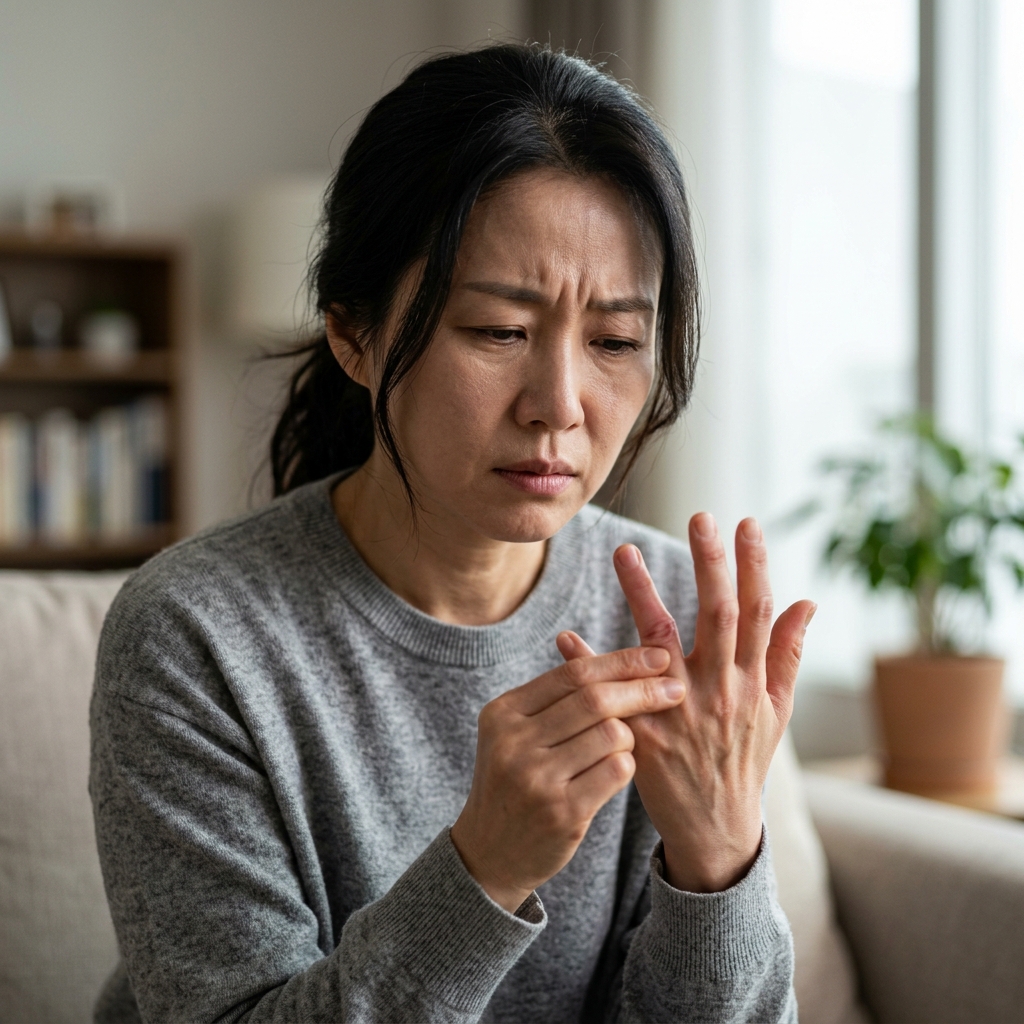
Trigger Finger (Stenosing Tenosynovitis)
When you bend your finger, the tendon catches on a thickened sheath, clicking and locking. It's especially bad in the morning, and sometimes the finger has to be forced straight.
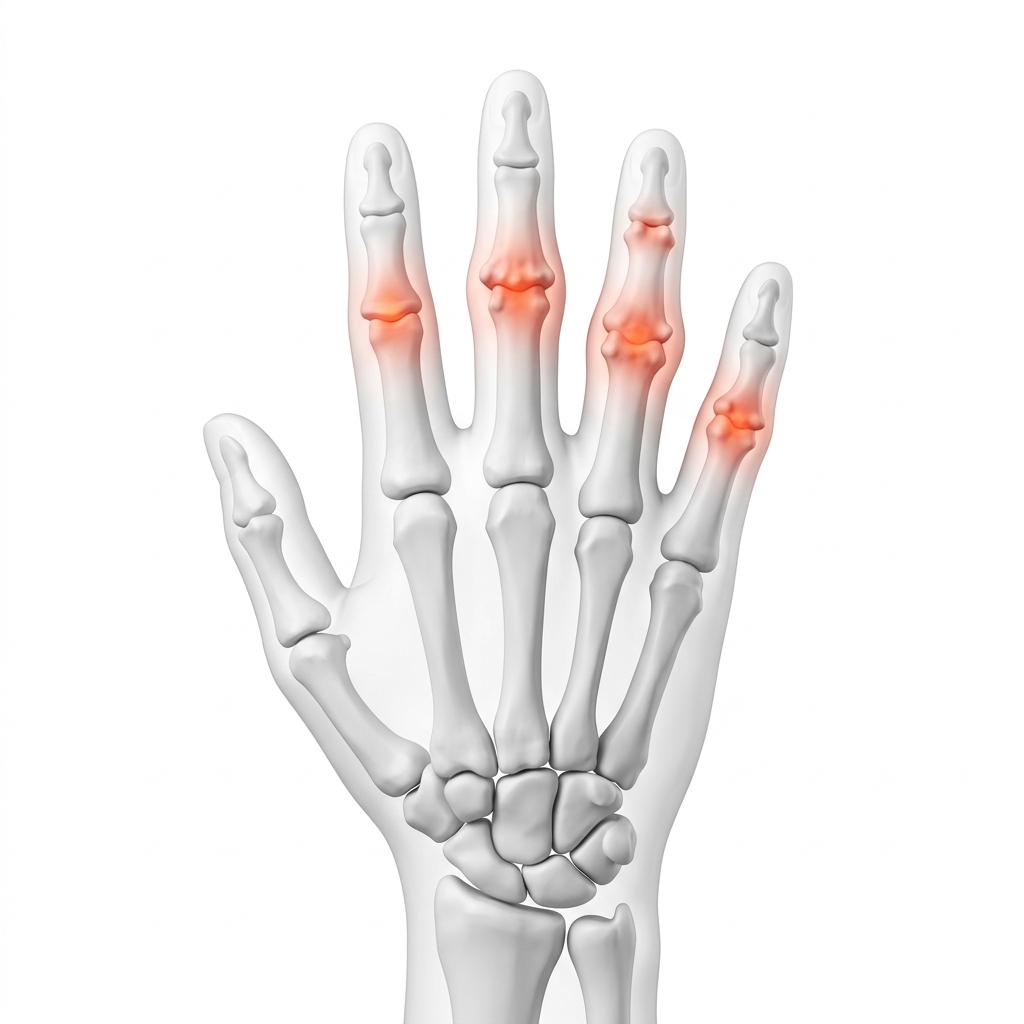
Osteoarthritis (Heberden's Nodes)
As cartilage in the fingertip joints wears away, bone sticks out and pain and deformity develop. It's common in women over 50, and genetic factors are also involved.
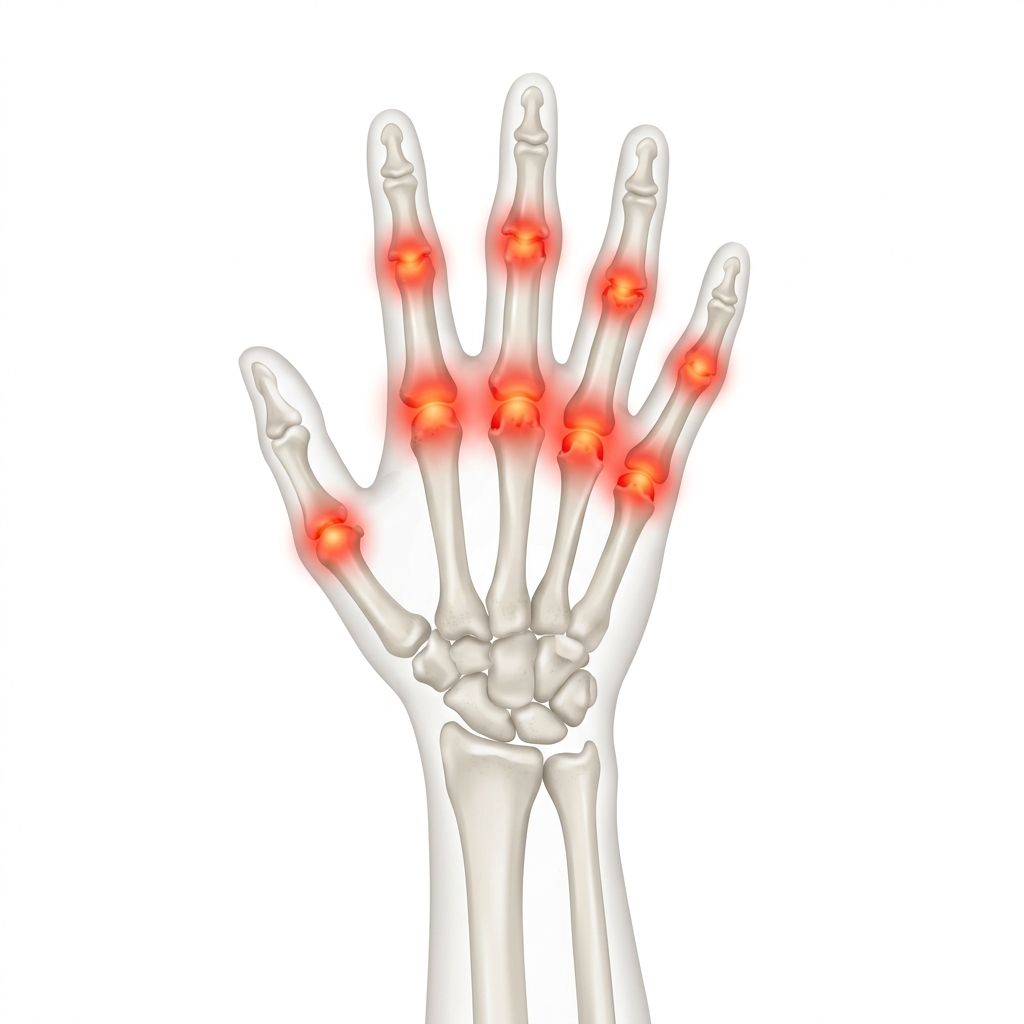
Rheumatoid Arthritis
An autoimmune reaction inflames the finger joints, making them swollen and painful, with morning stiffness lasting over 1 hour. It typically affects both hands symmetrically.
Do you have these symptoms?
If 2 or more of the symptoms below apply, Korean medicine can help.
- Your finger catches with a 'click' when you bend and straighten it
- Your fingers are stiff in the morning and it's hard to make a fist
- Your finger joints are swollen and feel warm
- You can feel hard bumps on your fingertip joints
- Using chopsticks or doing up buttons has become hard
- Fingers on both hands hurt and swell symmetrically
Sosoilsang Clinic
Finger Pain Program
We apply tailored treatment to each small joint to give you back flexible finger movement.
Daily Care Guide
Daily care you can practice to keep your fingers healthy.
Finger Exercises
Repeat 10 times each: spread your fingers wide, make a fist, and lift your fingers off a table
Paraffin & Warm Soaks
Soak your hands in warm water for 10 minutes, or keep joints warm with paraffin wax
Use Your Smartphone Less
Use your index finger instead of just your thumb, and stretch your hands every 30 minutes
Keep Warm
Avoid cold water and cold wind, and protect your joints with gloves in winter
Frequently Asked Questions
Yes, most trigger finger improves with conservative Korean medicine. Reducing tendon-sheath swelling and inflammation with pharmacopuncture and smoothing tendon gliding with acupuncture makes the 'click' disappear within 2~4 weeks.
It's hard to fully restore damaged cartilage, but Korean medicine can effectively manage pain and inflammation and slow progression. We reduce inflammation around the joints with acupuncture and pharmacopuncture and combine herbal medicine to keep cartilage and bones healthy.
Korean medicine is very effective as a complementary treatment for rheumatoid arthritis. Acupuncture and pharmacopuncture reduce joint swelling and pain, and herbal medicine with immune-regulating effects helps settle the inflammatory response. Combined with Western treatment, the synergy is great.
Start your consultation today
Don't put up with shoulder, elbow, wrist or finger pain any longer. We'll start by finding the root cause in your joints.
Knee, Ankle, Toe
& Sole Joint Treatment
From osteoarthritis and plantar fasciitis to frequent ankle sprains – we treat pain in the weight-bearing joints of the legs at the root.
Book an Appointment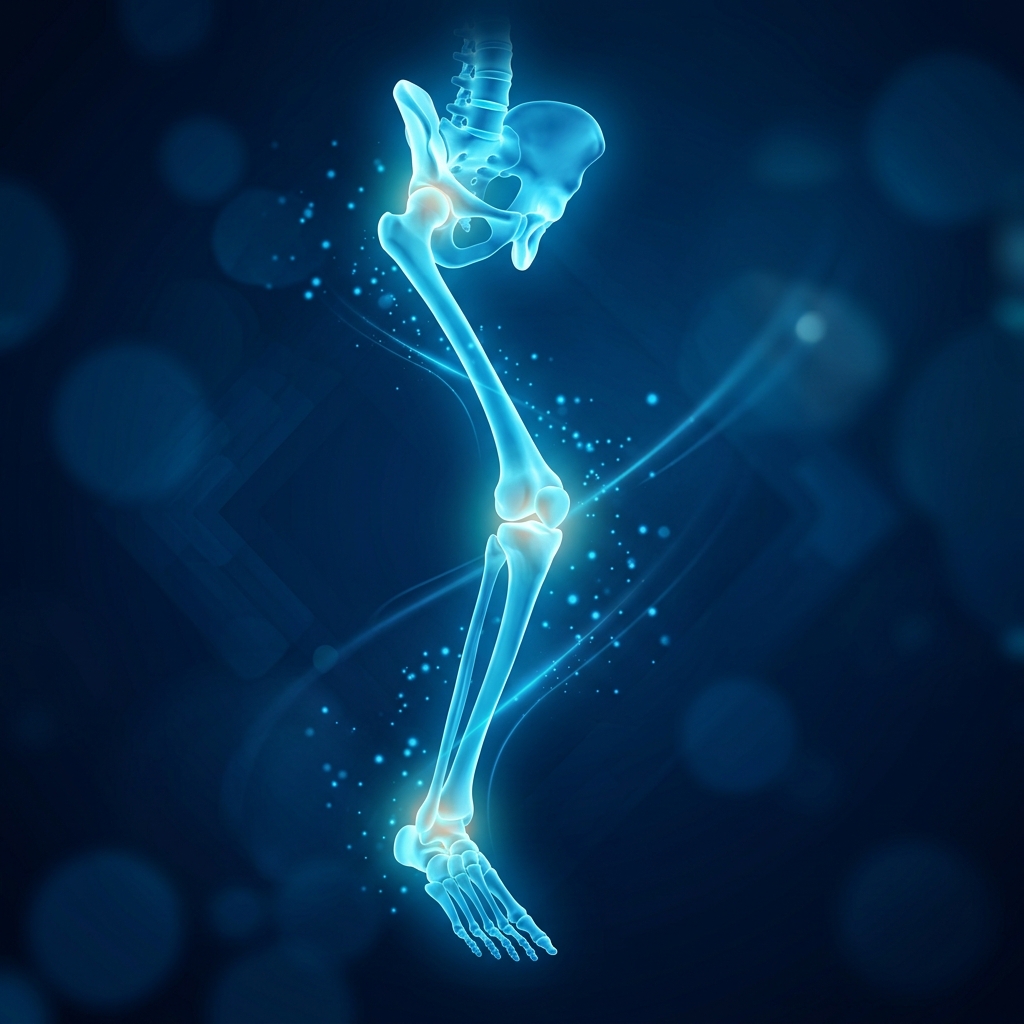
What Is Knee Pain?
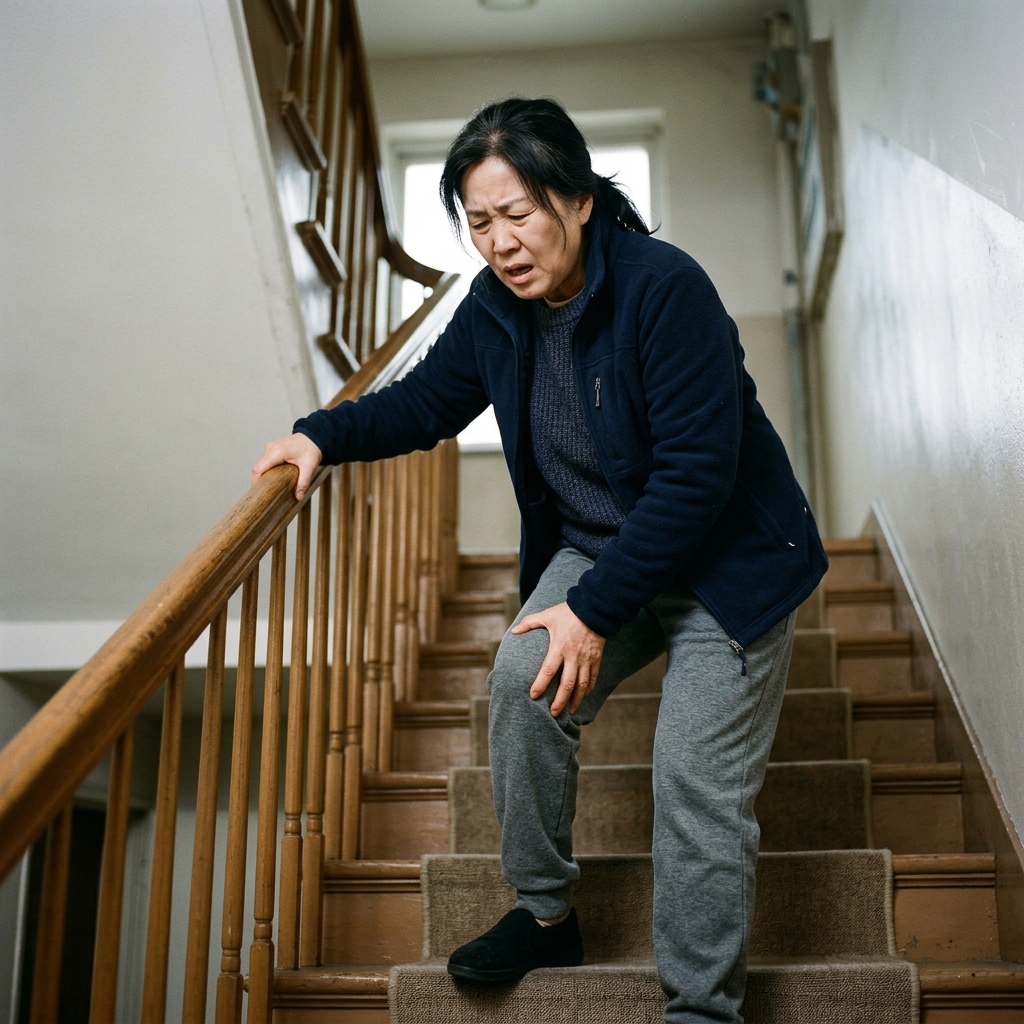
Knees that ache on the stairs and feel stiff when you stand up. From degenerative change to meniscus injury, an accurate diagnosis is where treatment starts.
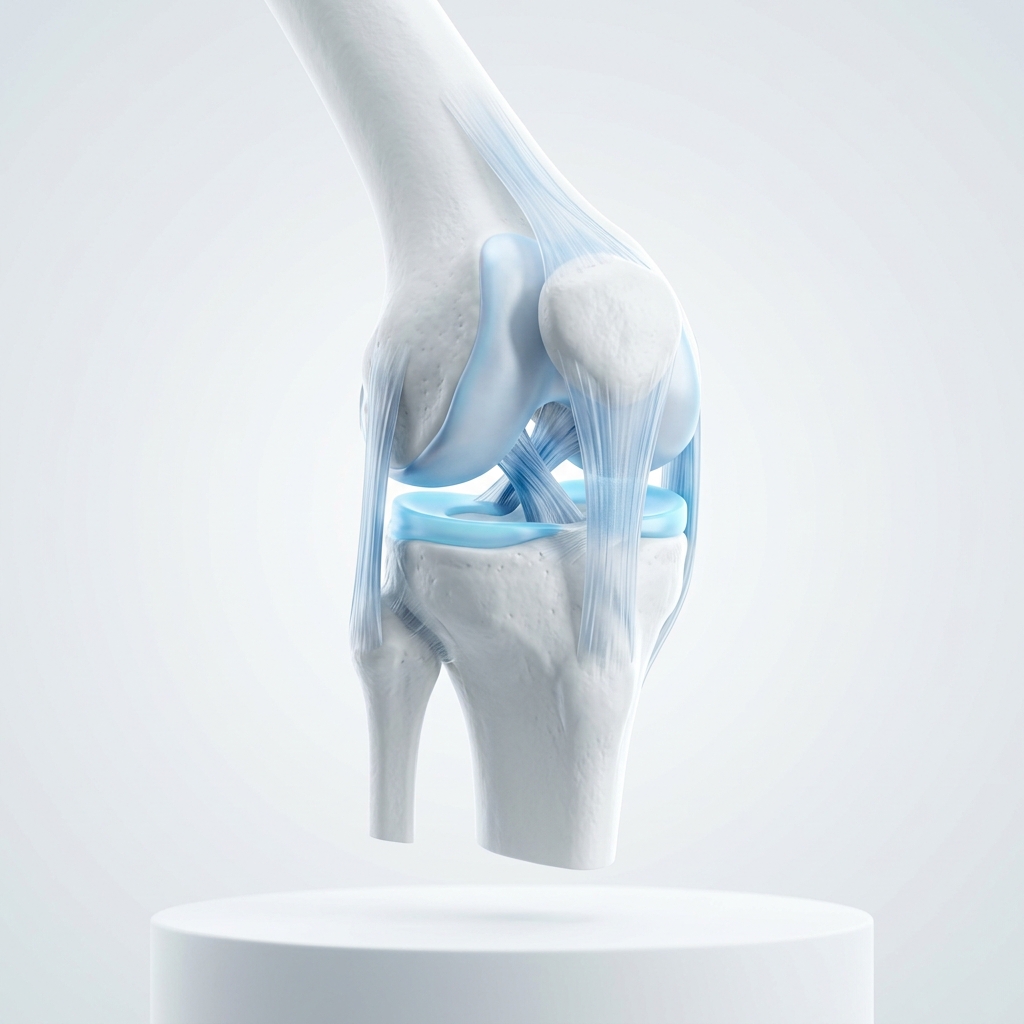
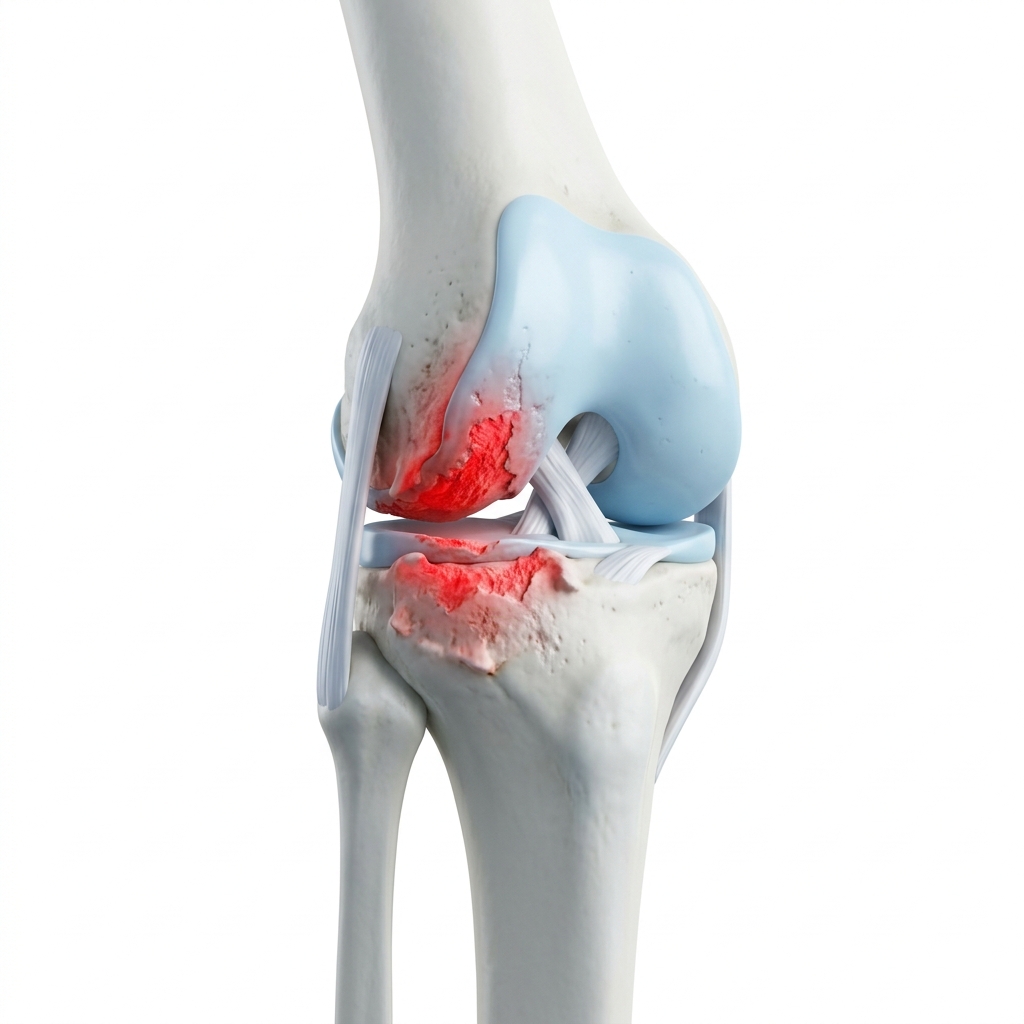
Osteoarthritis
Knee cartilage gradually wears away so the bones rub together. Stairs become hard, and the knee swells and aches after long walks. It's the most common knee condition in people over 50.
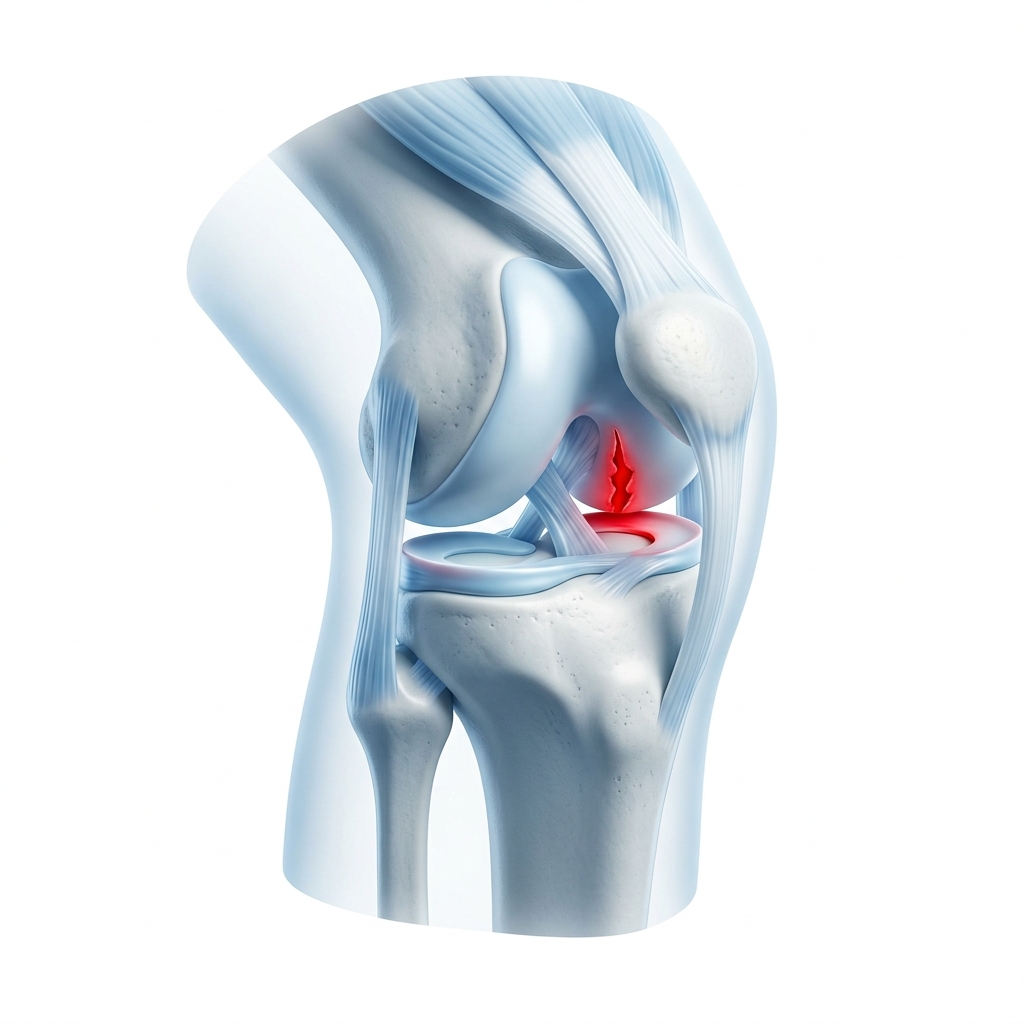
Meniscus (Cartilage) Injury
The meniscus, the knee's inner shock absorber, tears or is damaged. The knee catches as if 'locking', squatting is very painful, and swelling follows.
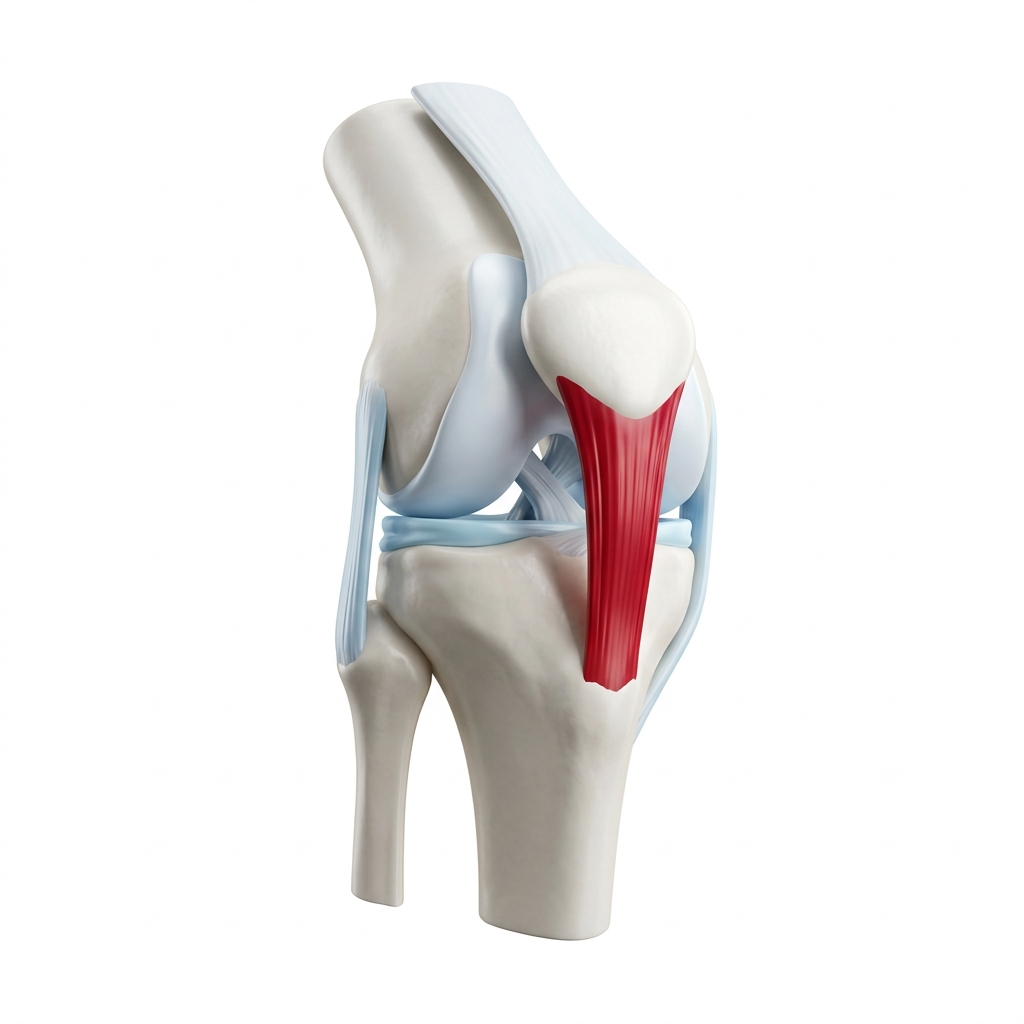
Patellar Tendinitis · IT Band Syndrome
Repeated friction inflames the front (patellar tendon) or outside (IT band) of the knee. Pain worsens after running or hiking; it's also called Runner's Knee.
Do you have these symptoms?
If 2 or more of the symptoms below apply, Korean medicine can help.
- Your knees ache when going up and down stairs
- Your knees are stiff when you stand up from sitting
- Squatting is hard or impossible
- Your knee is swollen and feels warm
- Your knee makes clicking sounds when you walk
- The front or outside of your knee hurts after exercise
Sosoilsang Clinic
Knee Pain Program
We slow cartilage degeneration and strengthen the muscles around the joint so you can walk through daily life without pain again.
Daily Care Guide
Combined with treatment, these can greatly reduce recurrence of knee pain.
Strengthen Your Quads
Strengthen your thigh muscles with seated leg extensions and wall squats
Weight Management
Losing 1kg of body weight takes 4kg of load off your knees – keep a healthy weight
Walk on Flat Ground
Walk on flat ground for 30 minutes instead of stairs or hiking – exercise without straining your knees
No Squatting
Spend less time sitting on the floor, use a Western-style toilet, and avoid low chairs
Frequently Asked Questions
It's hard to fully regenerate worn cartilage, but Korean medicine can effectively reduce inflammation and pain around the joint and slow the degeneration of remaining cartilage. Pharmacopuncture reduces inflammation inside the joint, and herbal medicine keeps cartilage and bones healthy, helping you live daily life without surgery.
In fact, appropriate exercise is essential – but choose exercise that's easy on the knees. Swimming, indoor cycling and walking on flat ground are good; avoid hiking, running and squatting. Quad-strengthening exercises greatly help knee stability.
Soft-tissue inflammation such as patellar tendinitis needs about 2~4 weeks, meniscus injury 4~8 weeks, and osteoarthritis 8~12 weeks or more of steady treatment. We start with intensive treatment 2~3 times a week and reduce to once a week as you improve.
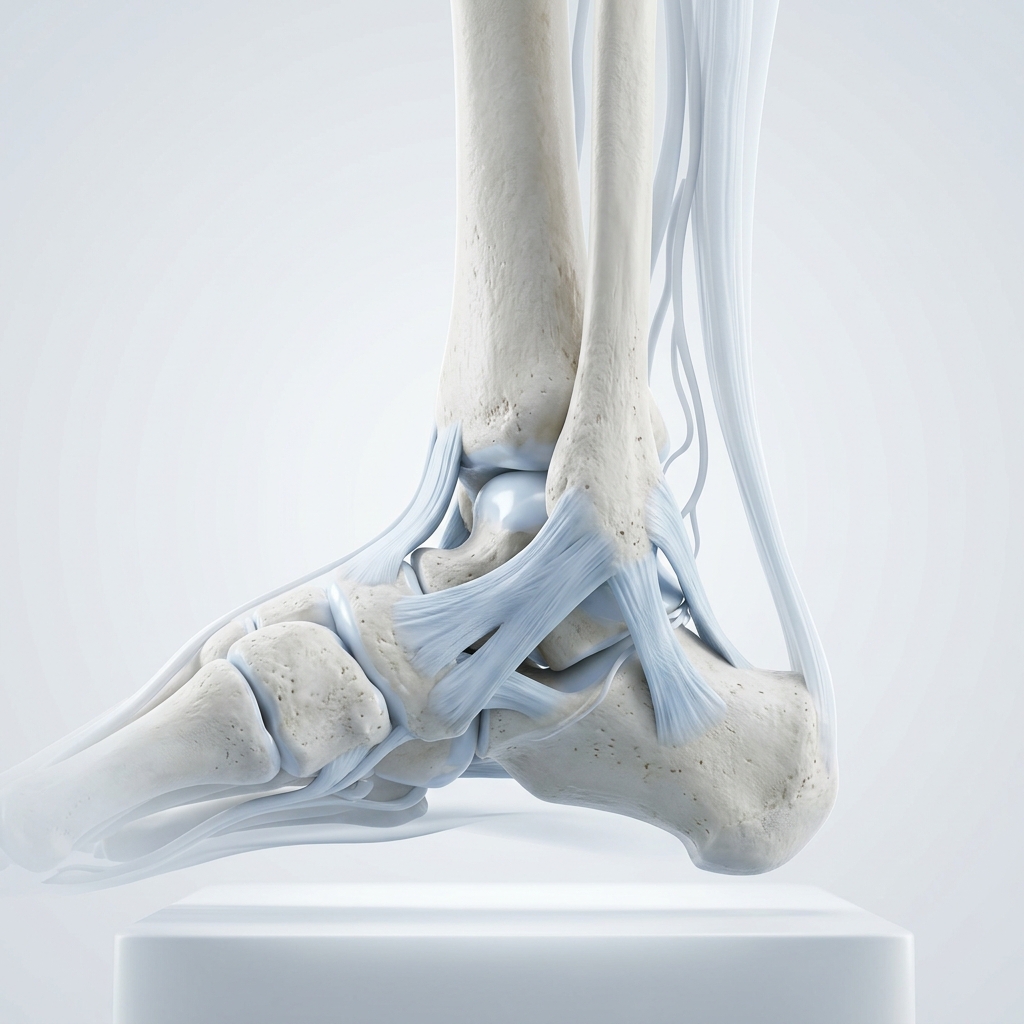
What Is Ankle Pain?
From ankle instability that keeps rolling after one sprain to Achilles tendon pain – we restore stability to the ankle that bears your weight.
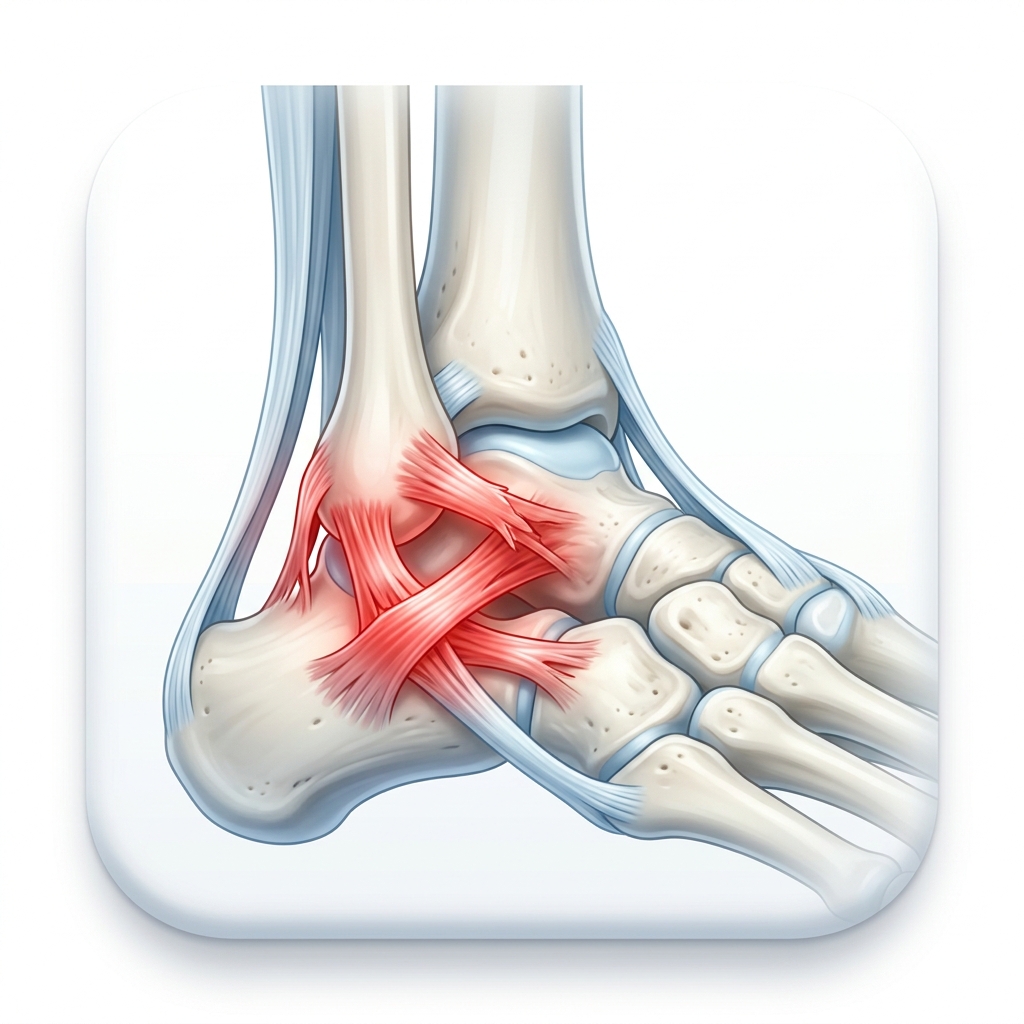
Chronic Ankle Instability
Repeated ankle sprains have left the ligaments loose. Your foot keeps rolling even on flat ground, and walking on uneven paths feels unsteady.
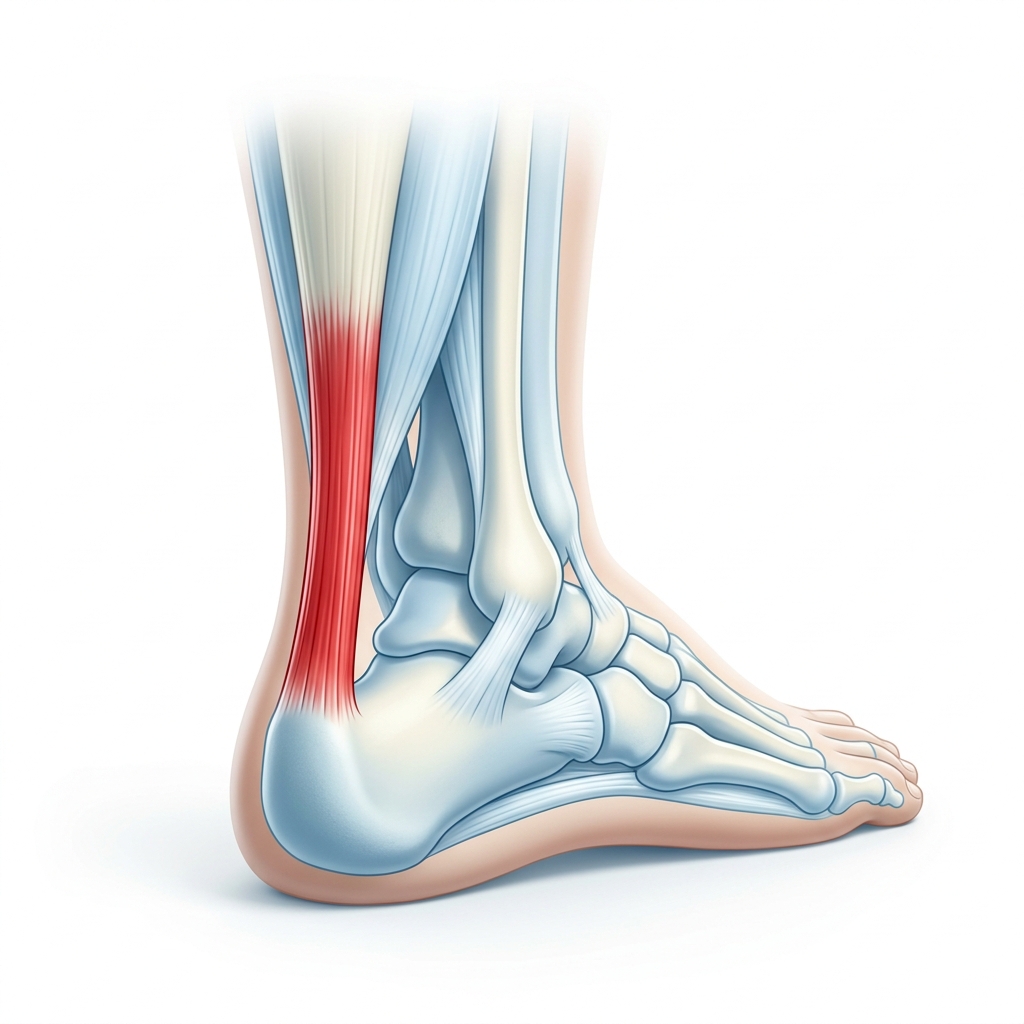
Achilles Tendinitis
Repeated micro-damage to the Achilles tendon above the heel causes inflammation. Pain is worst with your first steps in the morning and worsens with exercise.
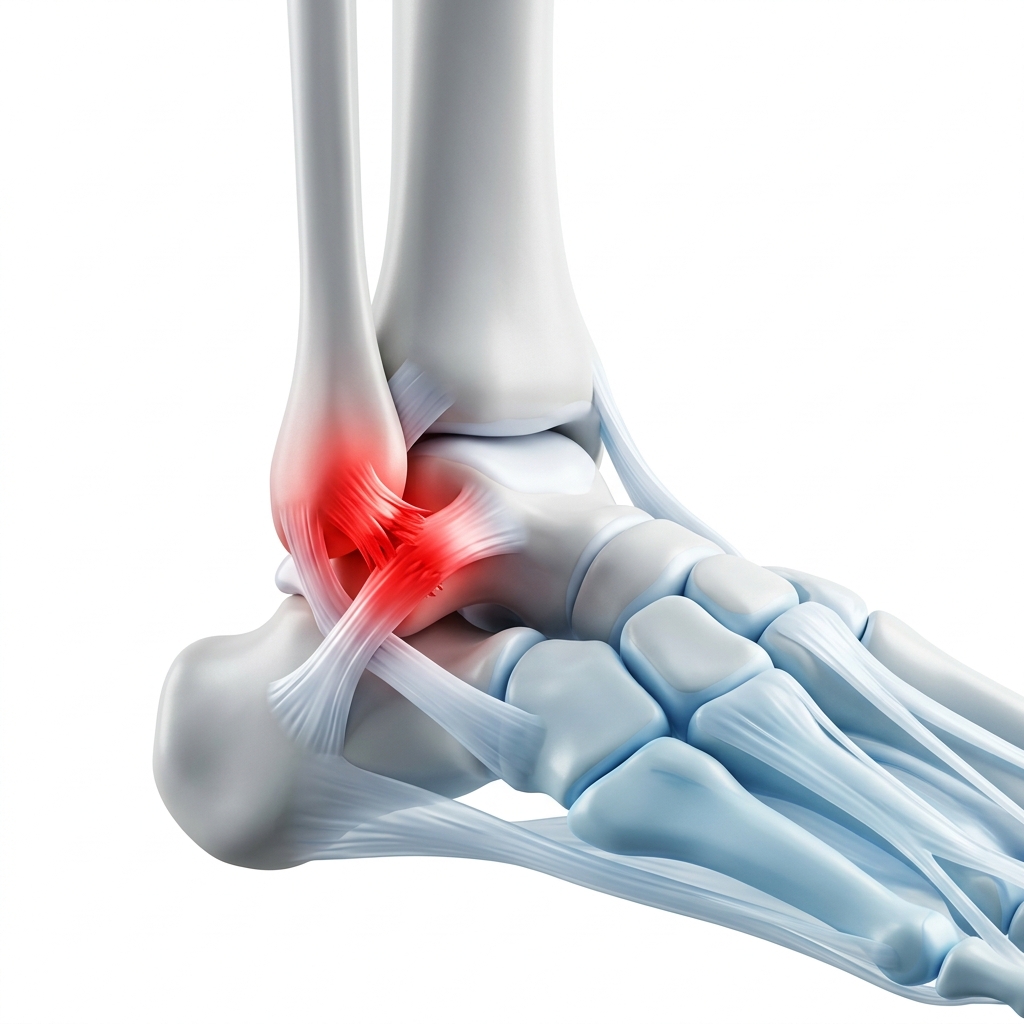
Ankle Sprain (Ligament Injury)
When the ankle twists, the outer ligaments stretch or tear. In the acute phase it swells and bruises, and without proper rehabilitation it leads to chronic instability.
Do you have these symptoms?
If 2 or more of the symptoms below apply, Korean medicine can help.
- You often roll or sprain your ankle
- The area above your heel is stiff and sore
- Your ankle feels unsteady on uneven ground
- Your heel twinges with your first step in the morning
- Your ankle clicks or catches when you rotate it
- Your ankle has never fully healed since you sprained it
Sosoilsang Clinic
Ankle Pain Program
We strengthen loosened ligaments and restore ankle stability to break the vicious cycle of a rolling ankle.
Daily Care Guide
Combined with treatment, these can greatly reduce ankle re-injury.
Balance Exercises
Restore ankle proprioception by standing on one foot or using a balance board
Taping & Braces
Prevent re-injury with an ankle brace or taping during exercise
Proper Shoes
Wear well-cushioned shoes that support the ankle; avoid high heels
The RICE Principle
Right after a sprain: Rest, Ice, Compression, Elevation
Frequently Asked Questions
Yes. The key to chronic ankle instability is restoring loose ligaments and weakened proprioception. Strengthening ligaments with pharmacopuncture, improving surrounding muscle responsiveness with acupuncture and electroacupuncture, and correcting ankle alignment with Chuna therapy greatly improves stability within 4~8 weeks.
You should rest in the acute phase, but once pain eases, eccentric exercise helps recovery. Slowly lowering your heels off the edge of a step, 2 sets a day, is effective for strengthening the tendon.
An acute sprain needs about 2~4 weeks, Achilles tendinitis 4~8 weeks, and chronic ankle instability about 6~12 weeks of treatment. Keeping up rehabilitation exercises greatly lowers the recurrence rate.
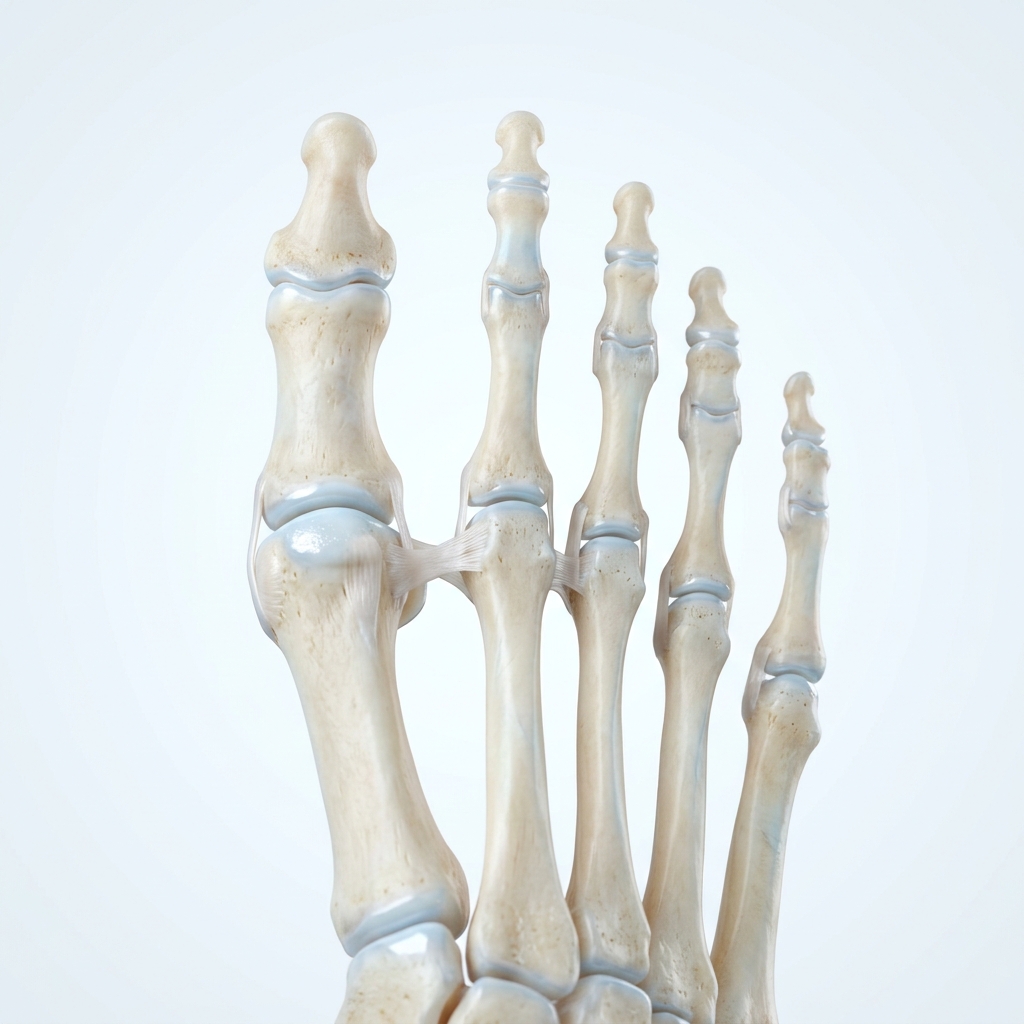
What Is Toe Pain?
From gout that makes the big toe swollen and painful to bunions that bend the toes – we treat the toe pain you feel with every step.
Gout
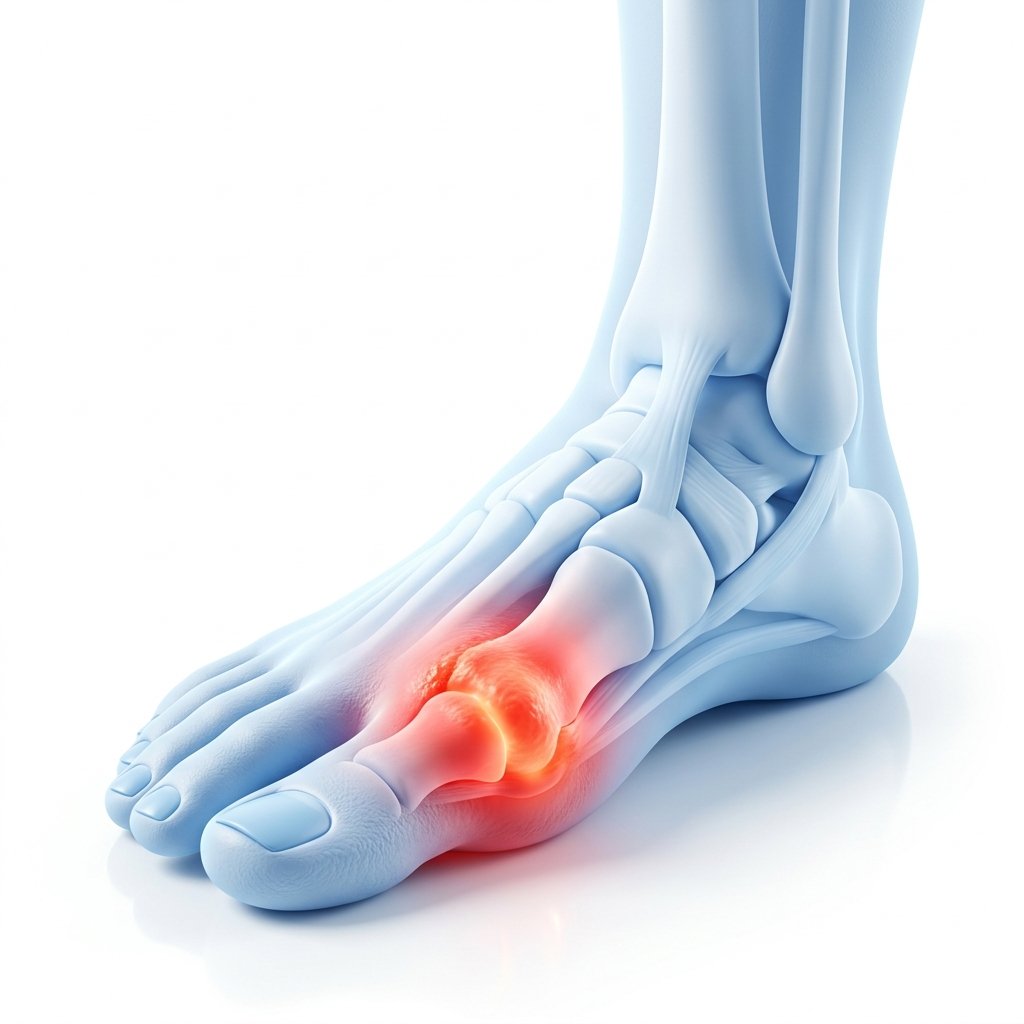
High blood uric acid causes urate crystals to build up in the big toe joint, bringing sudden severe pain, swelling and redness. Attacks often start suddenly at night.
Bunion (Hallux Valgus)
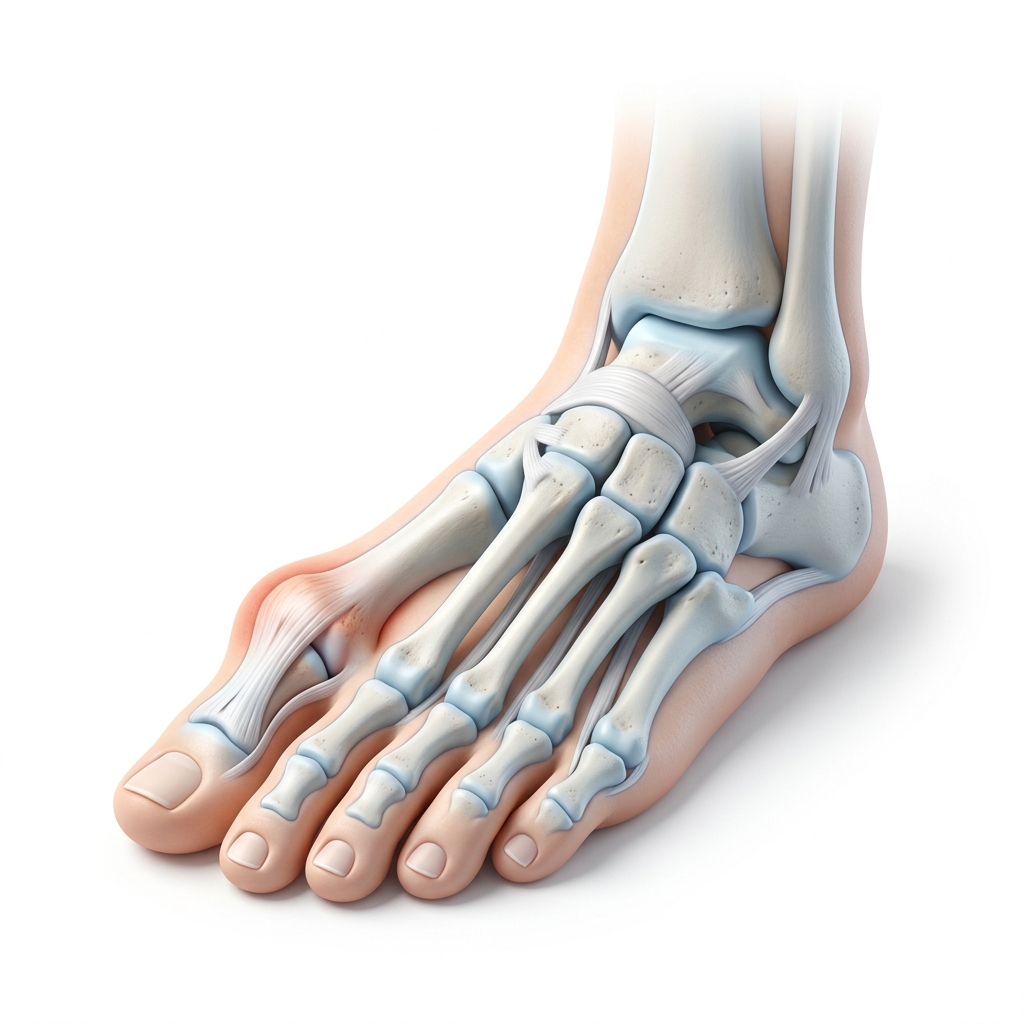
The big toe bends outward and the protruding bone hurts when pressed by shoes. Narrow shoes and high heels are main causes; in severe cases it slides under the 2nd toe.
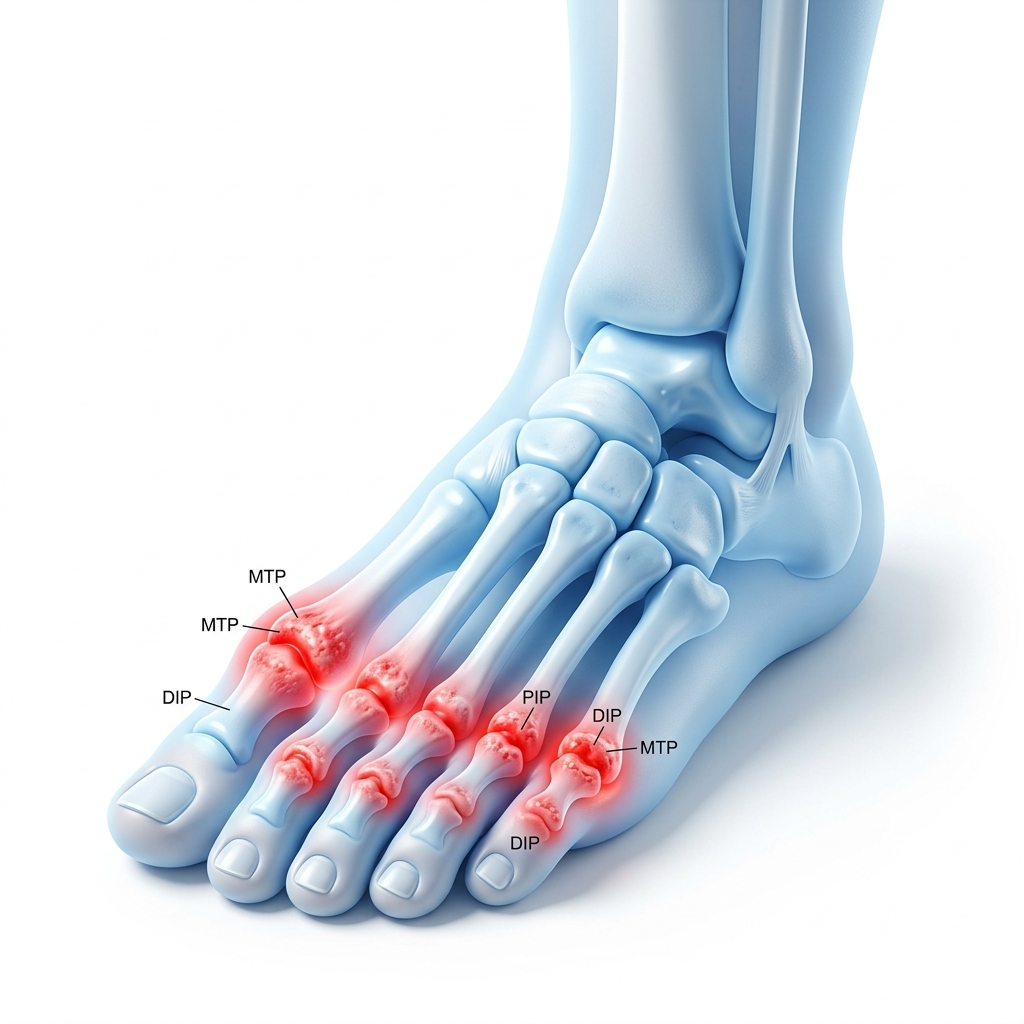
Osteoarthritis · Stiffness
As cartilage in the toe joints wears away, pain and swelling develop, and as it progresses the joints stiffen and the toes become hard to bend. It causes forefoot pain when walking.
Do you have these symptoms?
If 2 or more of the symptoms below apply, Korean medicine can help.
- Your big toe joint suddenly swells and hurts intensely
- Your big toe bends outward
- Your toe joints are stiff and hard to bend
- The ball of your foot hurts when you walk
- The protruding part of your toe hurts when pressed by shoes
- Your toe hurts the day after having beer or meat
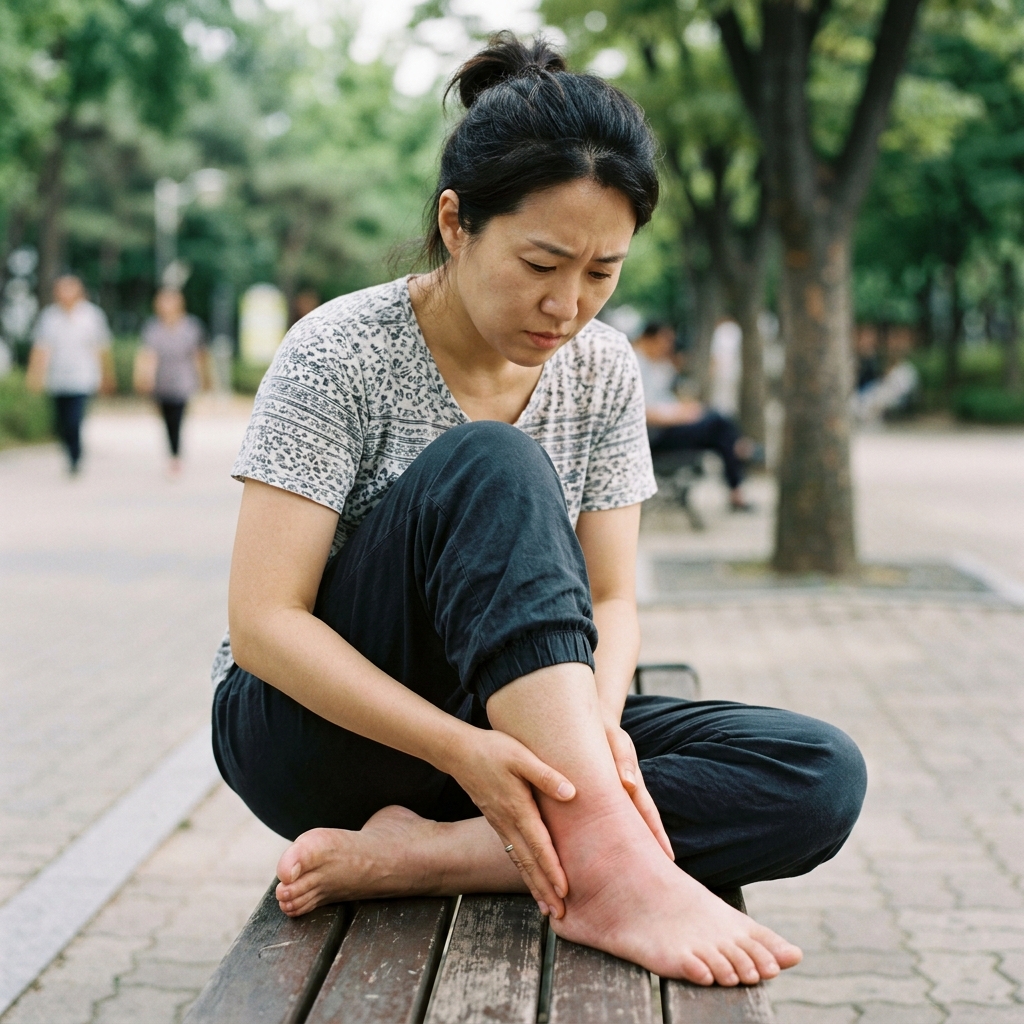
Sosoilsang Clinic
Toe Pain Program
We prevent gout from coming back and slow joint deformity so you can walk comfortably again.
Daily Care Guide
Daily care you can practice to keep your toes healthy.
Roomy Shoes
Wear shoes with a wide toe box so your toes can move freely; avoid high heels
Diet Care (Gout)
Cut down on beer, organ meats and red meat, and drink plenty of water to flush out uric acid
Toe Exercises
Strengthen your foot muscles by picking up a towel with your toes and spreading and curling them
Corrective Insoles
Use bunion toe spacers and arch-support insoles to keep the deformity from progressing
Frequently Asked Questions
Yes. During an acute gout attack, acupuncture and pharmacopuncture can quickly reduce joint swelling and pain. Afterwards, herbal prescriptions regulate uric acid metabolism to prevent recurrence. Combined with Western medication, the synergy is good.
For mild to moderate bunions, correcting joint alignment with Chuna therapy and combining toe exercises with corrective aids can slow progression and reduce pain. Severe deformity may require surgical correction.
An acute gout attack improves quickly within 1~2 weeks. Bunions and osteoarthritis are treated for about 4~8 weeks, followed by regular care. For gout, taking constitution-improving herbal medicine for 2~3 months to prevent recurrence is effective.
What Is Sole Pain?
A sharp pain with your first step in the morning, sole pain that worsens the longer you stand – we treat sole pain at the root, focusing on plantar fasciitis.
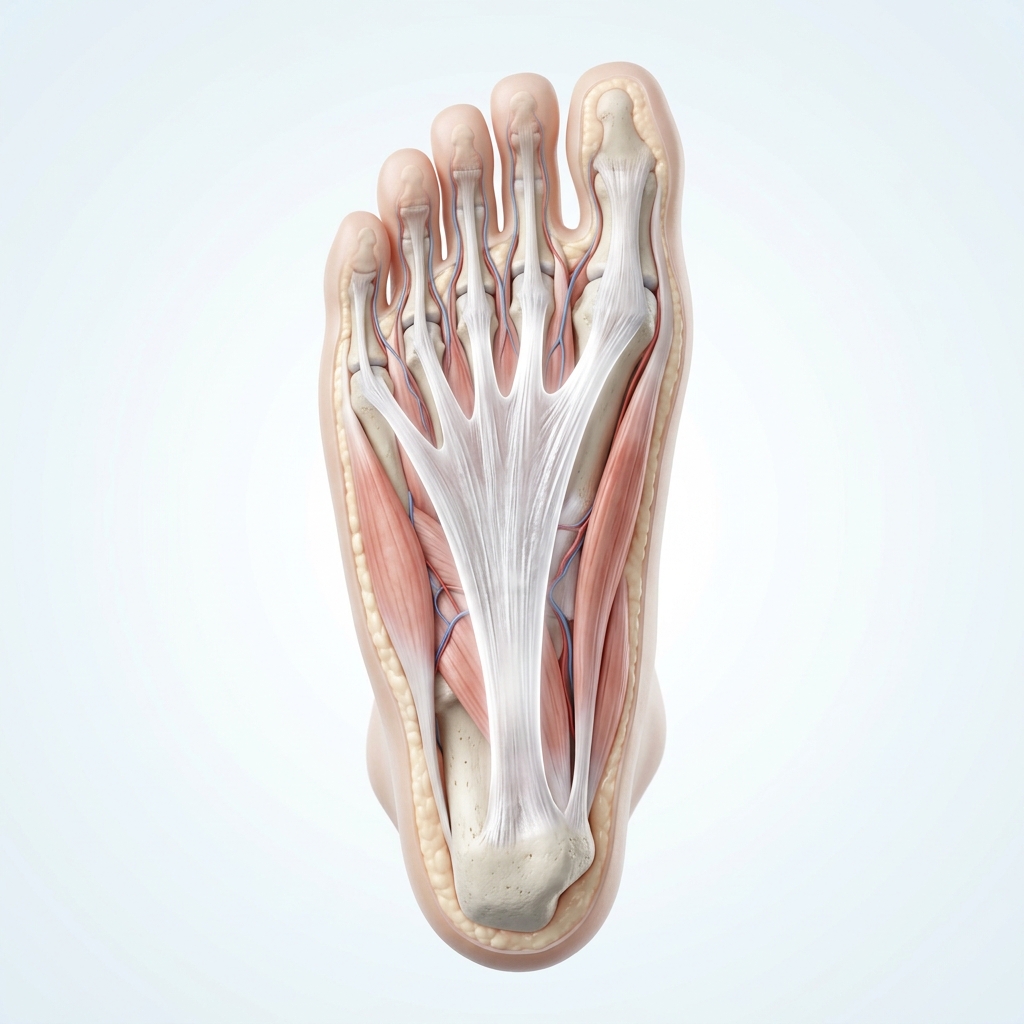
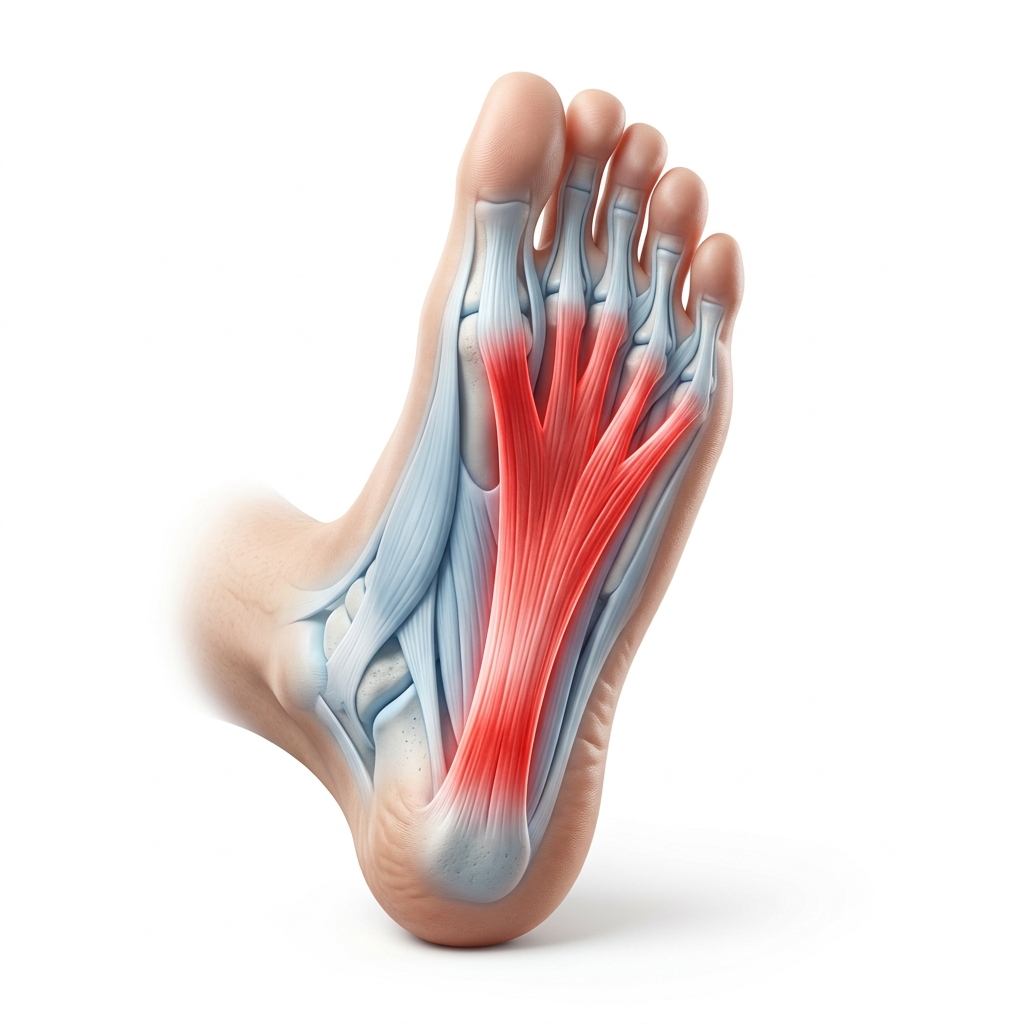
Plantar Fasciitis
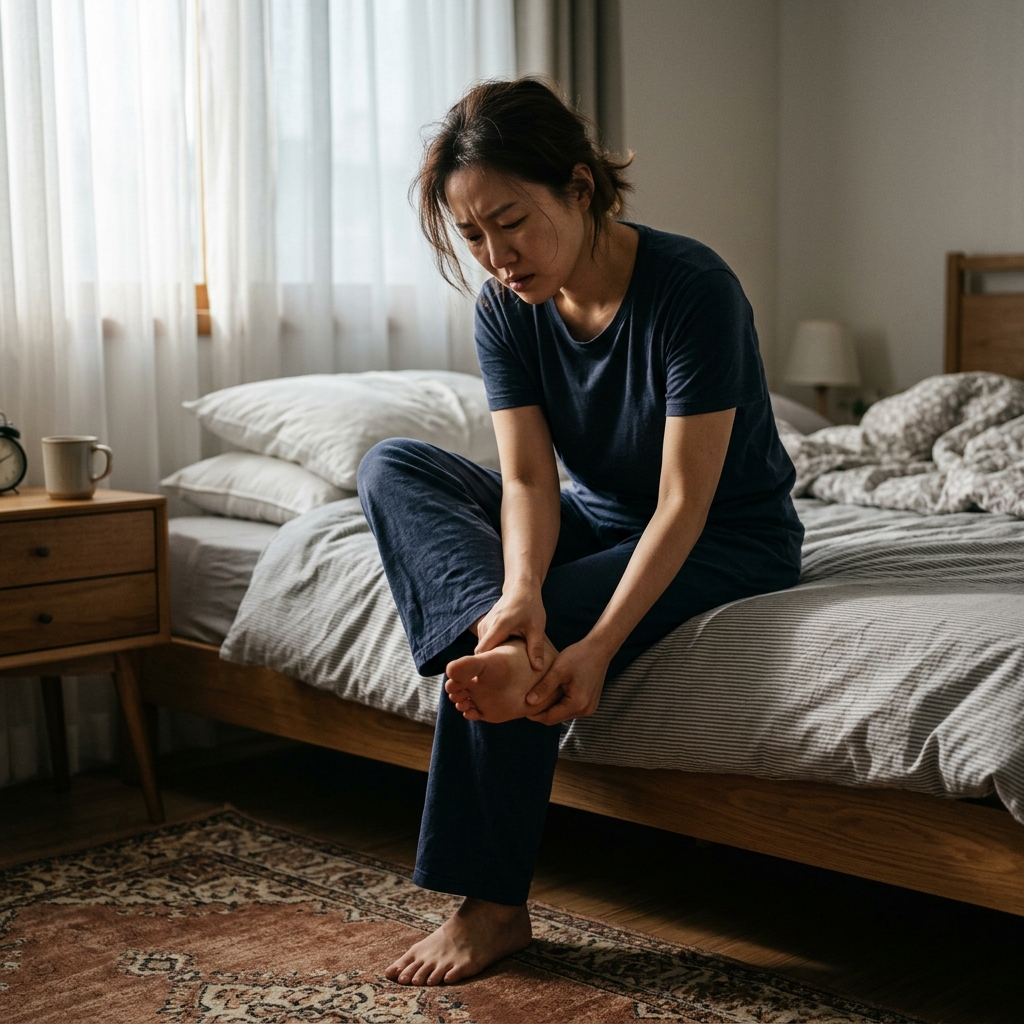
Micro-damage and inflammation develop in the plantar fascia running from heel to toes. A sharp pain with the first step in the morning is typical, and it worsens with long standing or walking.
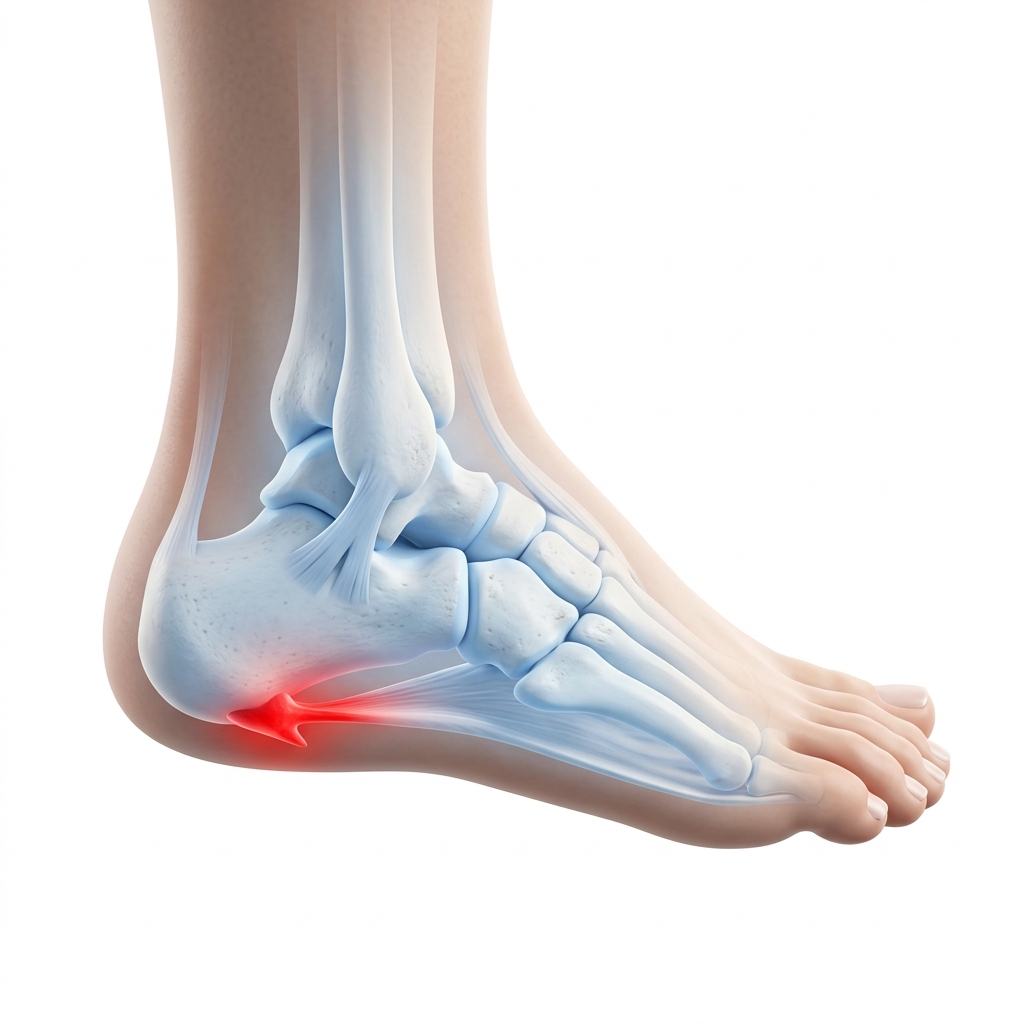
Heel Spur (Bone Spur)
Repeated stress where the plantar fascia attaches to the bone makes bone grow into a spur. Stepping down feels like a nail driven into the inner heel.
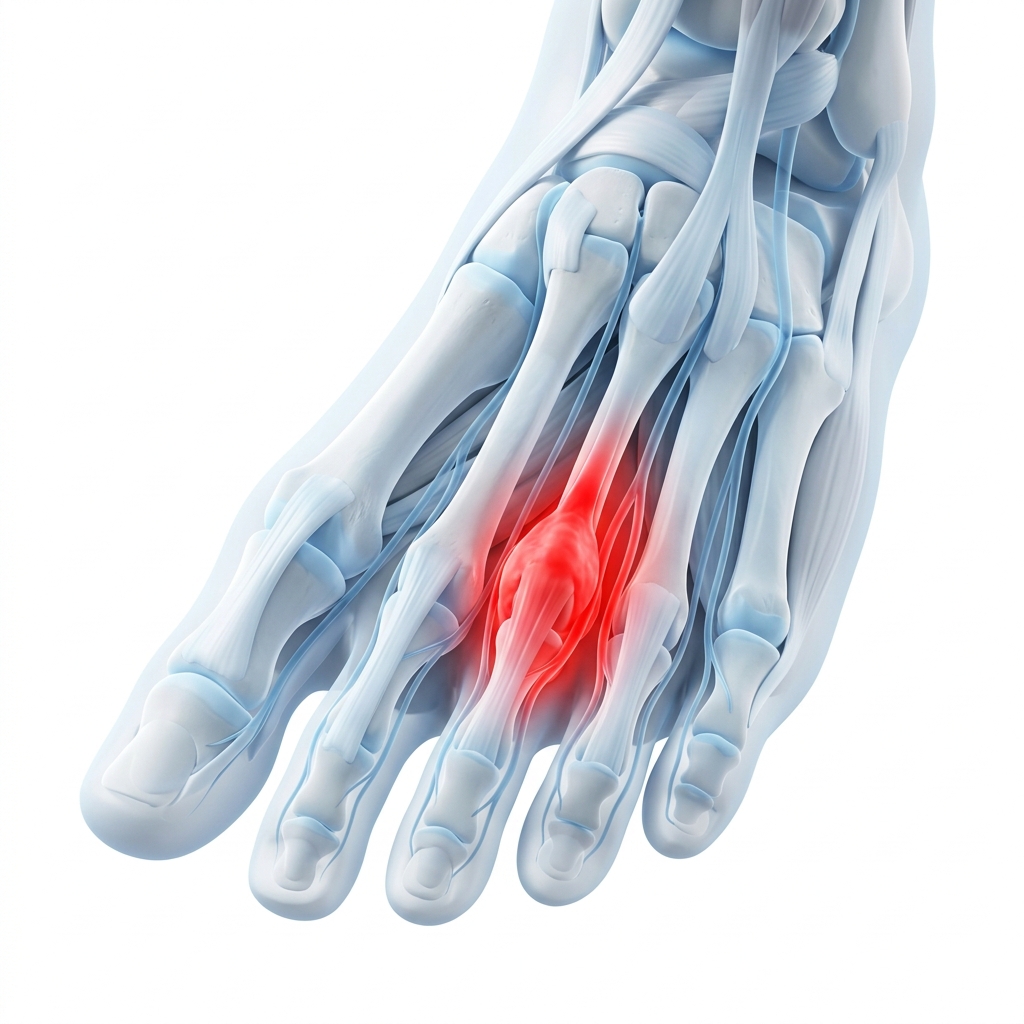
Metatarsalgia · Morton's Neuroma
Pain develops in the ball of the foot, or a nerve between the toes thickens so that walking feels like something is in your shoe or gives a tingling jolt. High heels and narrow shoes are main causes.
Do you have these symptoms?
If 2 or more of the symptoms below apply, Korean medicine can help.
- Your first step after getting up in the morning hurts sharply
- Your soles burn when you stand for a long time
- Stepping on your heel feels like stepping on a nail
- The ball of your foot hurts when you walk
- You feel something stuck or an electric jolt between your toes
- It's fine when you sit and rest but hurts again when you walk
Sosoilsang Clinic
Sole Pain Program
We calm inflammation in the damaged plantar fascia and restore the foot's structural balance for pain-free steps.
Daily Care Guide
Habits you should practice to keep sole pain from coming back.
Calf Stretch
Place your hands on a wall and stretch your calves for 30 seconds, 3 or more times a day
Sole Massage
Roll your sole over a tennis ball or frozen water bottle for 5 minutes
Cushioned Shoes
Use trainers with good shock absorption and arch-support insoles
Weight Management
Excess weight increases the load on the plantar fascia, so keep a healthy weight
Frequently Asked Questions
Mild cases need about 2~4 weeks and chronic plantar fasciitis about 6~12 weeks of treatment. Reducing inflammation with acupuncture and pharmacopuncture, along with stretching and insoles, improves most cases without surgery. Early on, we recommend intensive treatment 2~3 times a week.
Most people don't need surgery, because inflammation of the surrounding soft tissue, rather than the spur itself, is the main cause of pain. Reducing inflammation with acupuncture and pharmacopuncture and spreading pressure with cushioned insoles greatly reduces pain.
In the acute phase, avoid high-impact exercise such as running and jumping, and choose exercise that's easy on the feet, such as swimming and indoor cycling. Once pain eases, keep up calf stretches and sole massage while gradually increasing activity.
Start your consultation today
Don't put up with knee, ankle, toe or sole pain any longer. We'll start by finding the root cause in your leg joints.